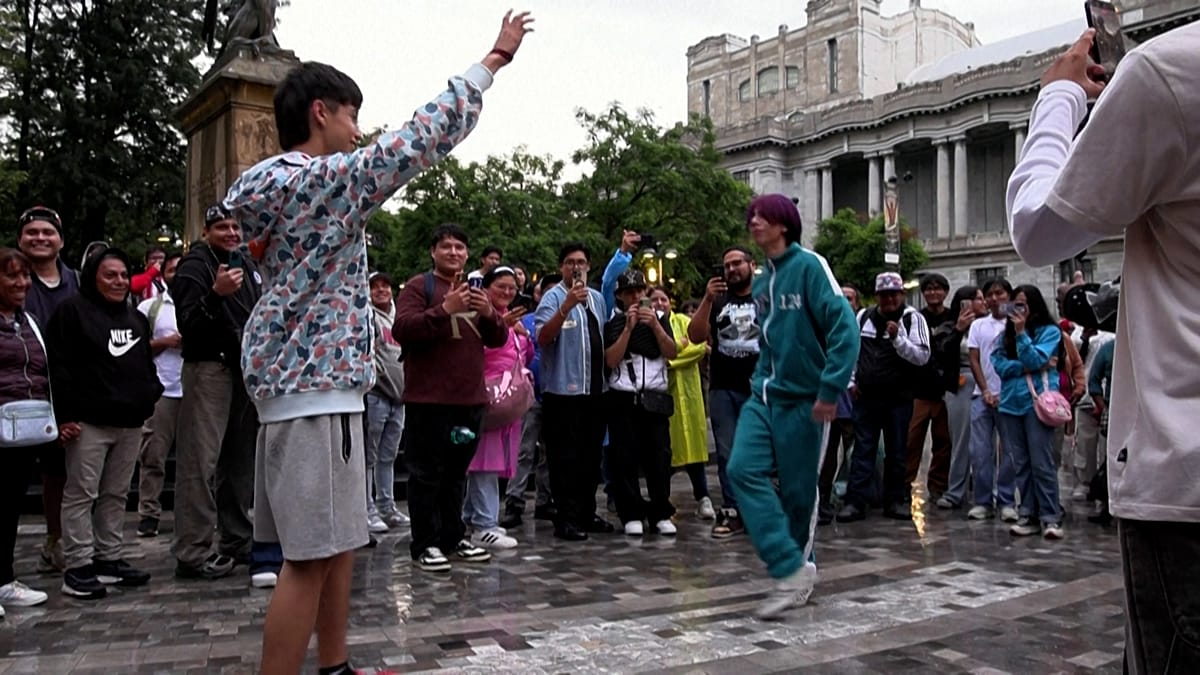
What began as a playful TikTok format has evolved into a live phenomenon in Mexico: aura battles, where young people compete to project confidence, wit, and stage presence, are now drawing real-world crowds. The contests, which started as short video clips with participants trying to 'steal' each other's aura, have moved from screens to plazas and event halls, turning a digital meme into a tangible social ritual.
The rules are simple: two or more contestants face off, each trying to outperform the other in a series of challenges that test charisma, humor, and nerve. Judges, often drawn from the audience, award points that determine who has the stronger 'aura'—a term borrowed from gaming culture that now signifies personal magnetism. The winner takes home bragging rights, and sometimes small prizes, but the real reward is social media fame.
In Mexico City, Guadalajara, and Monterrey, organizers have begun hosting weekly events, with some attracting hundreds of spectators. 'It's like a sport of personality,' said Luis Hernández, a 22-year-old organizer in Mexico City. 'People come to see who can hold the room, who can make them laugh, who can stay cool under pressure.'
From meme to movement
The trend's origins trace back to early 2024, when TikTok users began posting clips of themselves 'farming' aura—a term for accumulating social credibility. The format quickly went viral, with creators like El Aura King amassing millions of followers. But it was the transition to live events that transformed the meme into a cultural force, with participants rehearsing one-liners and practicing their 'aura walks' before stepping onto makeshift stages.
Social media has amplified the phenomenon, with clips from live battles often outperforming the original skits. 'The live element adds a layer of unpredictability,' said cultural commentator Ana Sofía Ramírez. 'You can't edit your reaction when you're in front of a crowd. That's what makes it compelling.'
The trend is now crossing borders, with reports of aura battles emerging in Spain, France, and Germany. In Madrid, a group of students organized a small-scale battle in a park, while in Berlin, a local content creator hosted a version at a community center. The European iterations are still niche, but they are gaining traction, particularly among diaspora communities and TikTok-savvy youth.
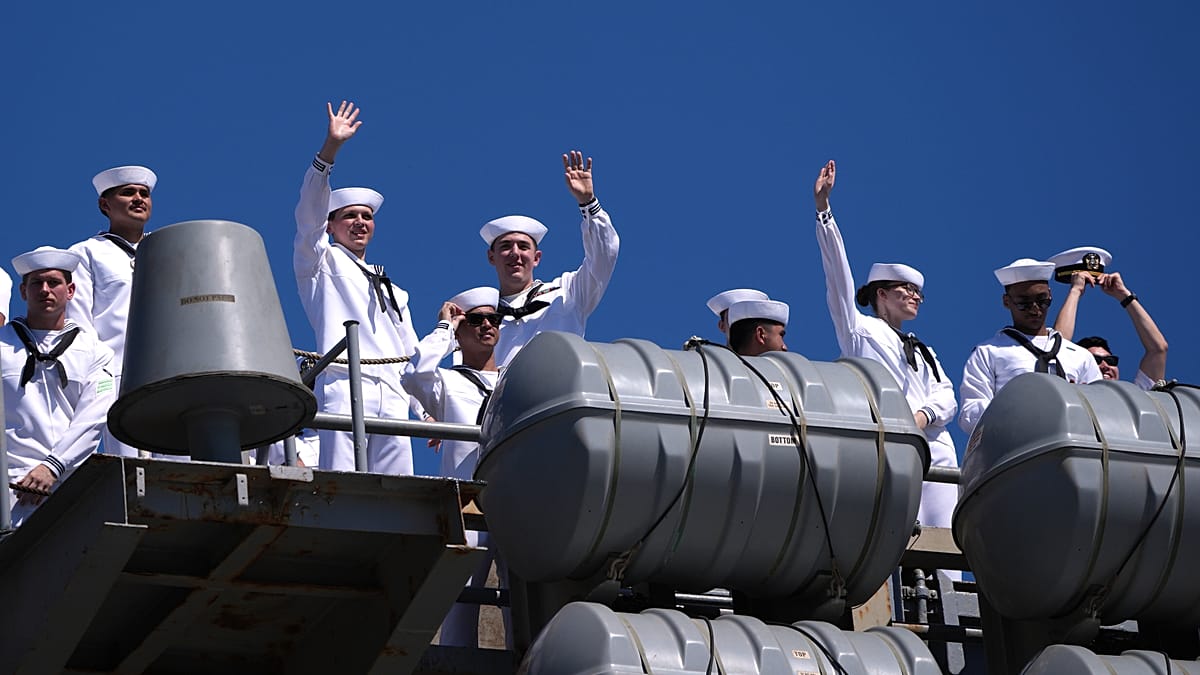
Some European observers see parallels with the aura farming trend that recently hit European streets, where participants film themselves performing confident acts in public. The live battles, however, add a competitive structure that appeals to a broader audience.
Critics argue that the contests promote superficiality, rewarding extroversion over substance. 'It's a performance of confidence, not genuine self-assurance,' said Dr. Elena Petrova, a sociologist at the University of Barcelona. 'But it also reflects a generation that is comfortable with being watched and judged.'
Supporters counter that the battles offer a creative outlet and a sense of community. 'It's not about being fake,' said participant Mariana López, 19, from Guadalajara. 'It's about finding your voice and owning it. That's a skill you can use in real life.'
The commercial potential has not gone unnoticed. Brands are beginning to sponsor events, and some organizers are exploring paid ticketing. In Mexico, a production company has announced plans for a televised tournament, which could further professionalize the format.
As the trend spreads, it raises questions about the lifecycle of internet phenomena. 'The question is whether aura battles can sustain themselves beyond the novelty,' said Ramírez. 'If they become too polished, they might lose the raw energy that made them popular.'
For now, the battles remain a grassroots affair, with participants and organizers driven by passion rather than profit. Whether they become a lasting cultural export or a fleeting meme, they have already left a mark on how young people in Mexico—and increasingly in Europe—think about charisma and social performance.