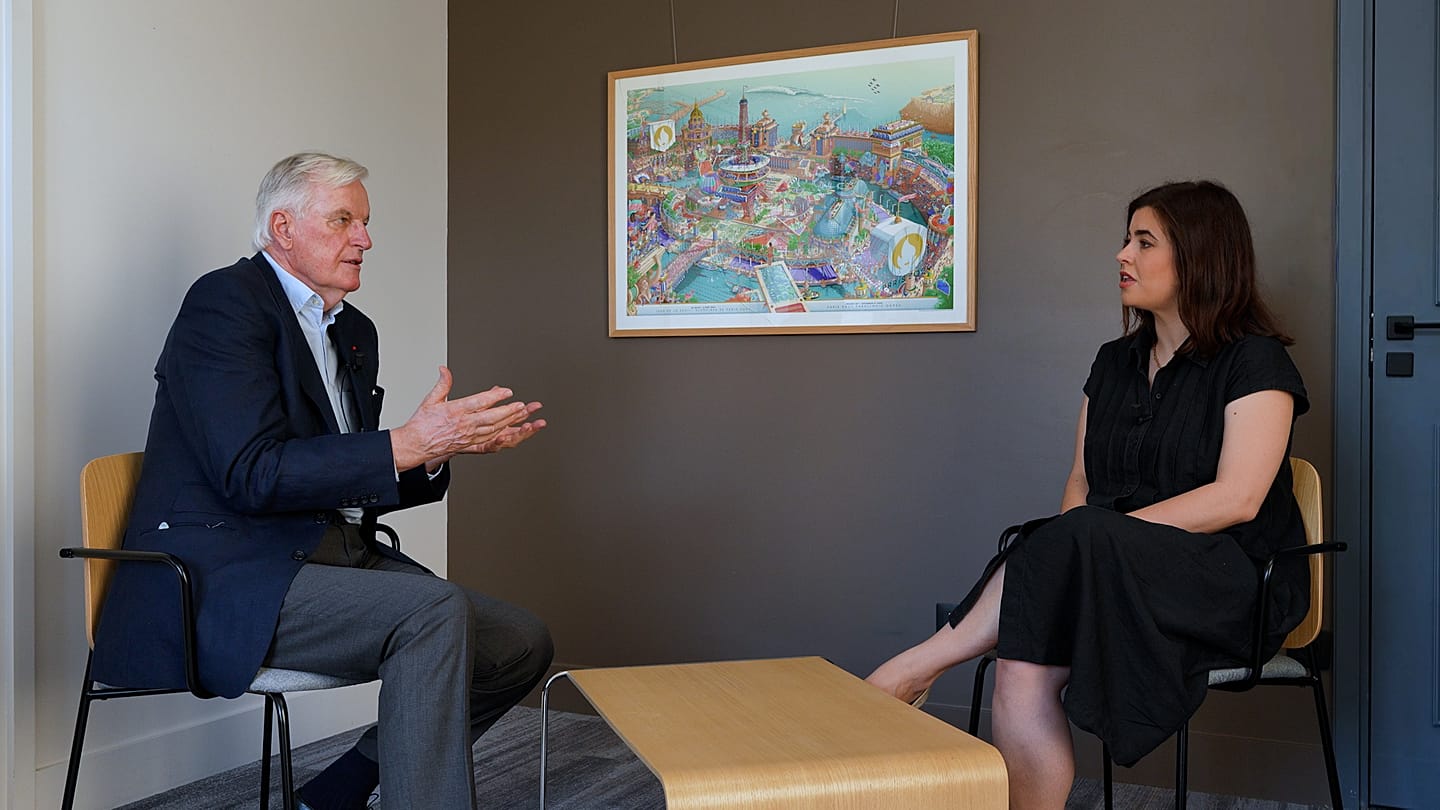
A decade after the United Kingdom's landmark referendum to leave the European Union, Michel Barnier, the bloc's former chief Brexit negotiator, has reiterated that the EU remains open to the UK's return—but under clear conditions. In an interview with Euronews, Barnier stressed that while the door is not closed, London cannot expect to "cherry-pick" the benefits of membership without accepting its responsibilities.
Barnier, a French politician who served as the European Commission's lead negotiator during the arduous Brexit talks, made his remarks as the tenth anniversary of the 2016 vote approaches. The anniversary has prompted widespread reflection across the continent on the consequences of the divorce, with many in Brussels and national capitals assessing whether the EU emerged stronger or weaker from the process. Brexit's Legacy: MEPs Debate Whether the EU Emerged Stronger or Weaker captures the ongoing debate among European lawmakers.
A Conditional Welcome
Barnier's comments come at a time when British public opinion has shifted notably. Recent polls indicate a growing desire among UK citizens to rejoin the EU, a trend explored in A Decade After Brexit, British Public Opinion Shifts Back Toward EU. However, Barnier made it clear that any future relationship must be based on the EU's founding principles. "The European Union is not a menu from which you can pick and choose," he said. "If the UK wants to be part of the single market, it must accept the four freedoms—goods, capital, services, and people."
The former negotiator's stance reflects a broader consensus in Brussels that the integrity of the EU's legal and economic framework cannot be compromised. The UK's departure, finalized in 2020 after years of negotiations, has left lasting scars on both sides. Economically, Britain has faced persistent challenges, including trade friction with its largest partner and labor shortages in key sectors. A Decade After Brexit: Britain's Economic Reckoning and Political Turmoil details the ongoing repercussions.
Barnier acknowledged that the EU itself has learned from the experience. "Brexit forced us to reflect on our own weaknesses," he noted. "We have since worked to make the Union more efficient and responsive to citizens' concerns." This introspection has led to reforms in areas such as crisis management and democratic accountability, though debates continue over the EU's future direction.
The political landscape in the UK remains deeply divided. The Conservative Party, which championed Brexit, has struggled to deliver on its promises, while the Labour Party under Keir Starmer has cautiously avoided reopening the Brexit debate. Yet the economic data is hard to ignore: the UK's GDP growth has lagged behind comparable EU economies, and trade volumes with the continent have not recovered to pre-referendum levels.
Barnier's interview also touched on the broader geopolitical context. With Russia's war in Ukraine and rising global tensions, he argued that European unity is more critical than ever. "The EU is a project of peace and prosperity," he said. "In a world of uncertainty, we need to stand together." This sentiment echoes the findings of Brexit at Ten: Could the UK Ever Rejoin the European Union?, which examines the practical and political hurdles to readmission.
For now, the EU's door remains ajar, but the path to reentry is fraught with obstacles. Barnier's message is clear: the UK must decide whether it is willing to embrace the full package of EU membership—or continue navigating the choppy waters of independence.