This year, three issues have consistently dominated Europe's political agenda: migration, trade, and housing. In a special edition of The Ring, European Pulse revisits the conversations that have shaped policy debates across the continent, bringing together lawmakers from different political families to confront the challenges head-on.
Migration: A question of borders and rights
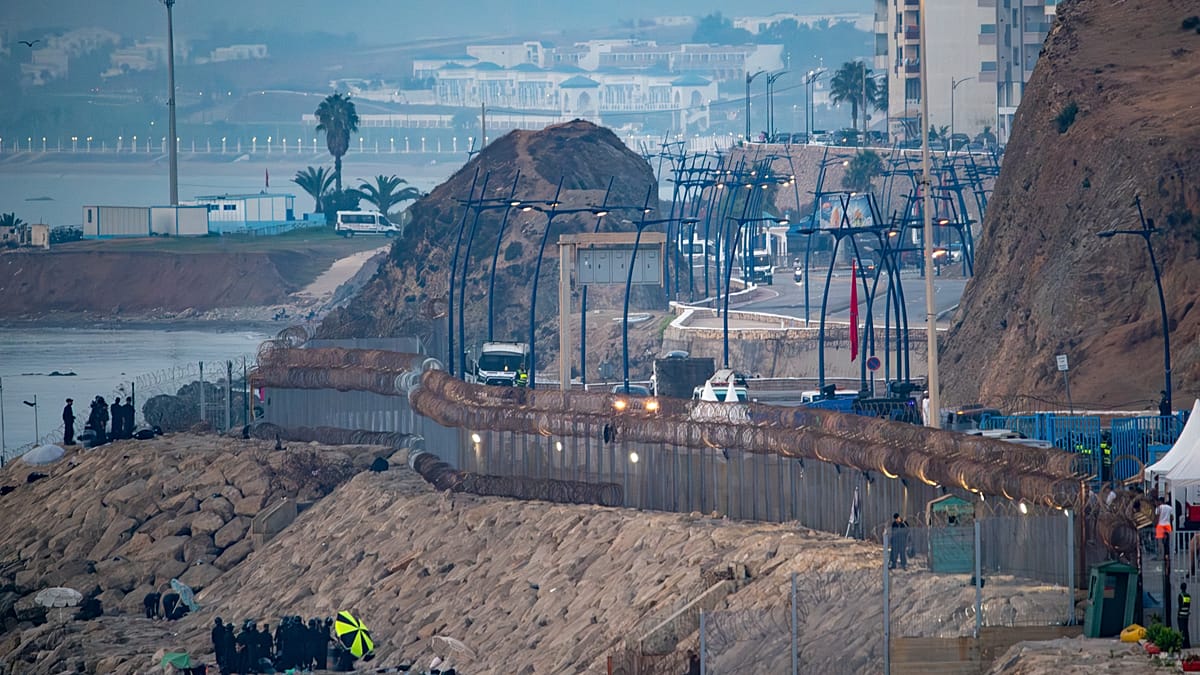
Migration remains one of the most divisive topics in European politics. From border management and asylum procedures to integration and the status of undocumented residents, policymakers are grappling with questions that have no easy answers. The debate is not just about security but also about the fundamental values of the European Union.
In one of the key exchanges, Spanish MEP Juan Fernando López Aguilar (Socialists & Democrats) and Swedish MEP Tomas Tobé (European People's Party) discussed how Europe should approach migration. They tackled the controversial concept of "safe third countries" — a mechanism that would allow the EU to process asylum claims outside its borders — and Spain's ambitious regularisation plan, which aims to legalise hundreds of thousands of undocumented migrants. The two lawmakers offered sharply different perspectives, reflecting the broader split between member states on how to balance humanitarian obligations with domestic political pressures.
The debate comes at a time when Spain's migration approach has drawn criticism from the right, and as the EU continues to negotiate a new pact on migration and asylum. The outcome of these discussions will have lasting implications for the bloc's external borders and its internal solidarity.
Mercosur: Trade deal divides Europe
Another major issue that has split opinion across the EU is the long-negotiated trade agreement with the Mercosur bloc, which includes Argentina, Brazil, Paraguay, and Uruguay. Proponents argue that the deal would open up new markets for European exporters and strengthen geopolitical ties, while opponents fear it could undermine European farmers and environmental standards.
In a debate between Swedish EPP MEP Jörgen Warborn and Irish Renew MEP Ciaran Mullooly, the two sides of the argument were laid bare. Warborn emphasised the economic opportunities, pointing to the potential for increased trade and investment. Mullooly, however, highlighted the risks for European agriculture, particularly in countries like Ireland, where farmers fear being undercut by cheaper imports from South America.
The disagreement reflects a broader tension within the EU between those who see free trade as a driver of growth and those who prioritise protecting domestic industries and the environment. As negotiations continue, the Mercosur deal remains a test case for the EU's ability to balance its economic ambitions with its commitments to sustainability and social cohesion.
Housing: The crisis affecting millions
Beyond migration and trade, the issue of affordable housing has moved to the forefront of political debate. Rising rents, a shortage of supply, and increasing pressure on urban centres have made housing a top concern for citizens across Europe. The problem is particularly acute in cities like Lisbon, where €400,000 no longer buys a home, and in many other capitals where prices have soared in recent years.
The Ring revisited a debate between Dutch centre-right MEP Dirk Gotink and Finnish Green MEP Maria Ohisalo, who offered contrasting views on how Europe should respond. Gotink argued for market-based solutions, emphasising the need to increase supply and reduce regulatory burdens. Ohisalo, on the other hand, called for stronger EU intervention, including investment in social housing and measures to curb speculation.
The housing crisis is not just an economic issue; it has profound social and political implications. As concerns about housing vary across the continent, the EU is under pressure to act, even though housing policy remains largely a national competence. The debate highlights the growing recognition that the bloc may need to play a more active role in addressing the issue.
Looking ahead
These three debates — migration, trade, and housing — are unlikely to disappear from the European agenda anytime soon. They touch on fundamental questions about the EU's identity, its economic model, and its social contract. As the bloc prepares for the next European elections, these issues will continue to shape political discourse and influence voters' choices.
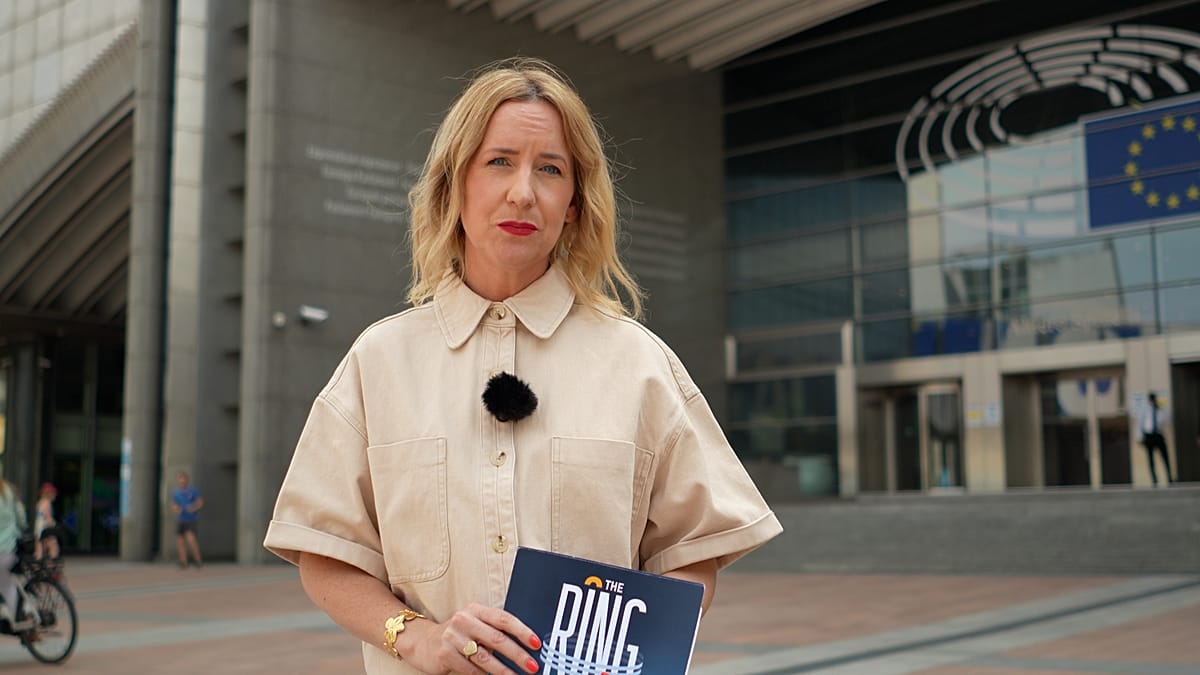
The Ring, hosted by Méabh Mc Mahon and produced by Luis Albertos Altarejos and Amaia Echevarria, with editing and direction by Vassilis Glynos, has provided a platform for these crucial conversations. By bringing together voices from across the political spectrum, the programme aims to foster a more informed and nuanced debate about Europe's future.
As the year draws to a close, the questions raised in these debates remain open. But one thing is clear: the answers will define the direction of the European project for years to come.