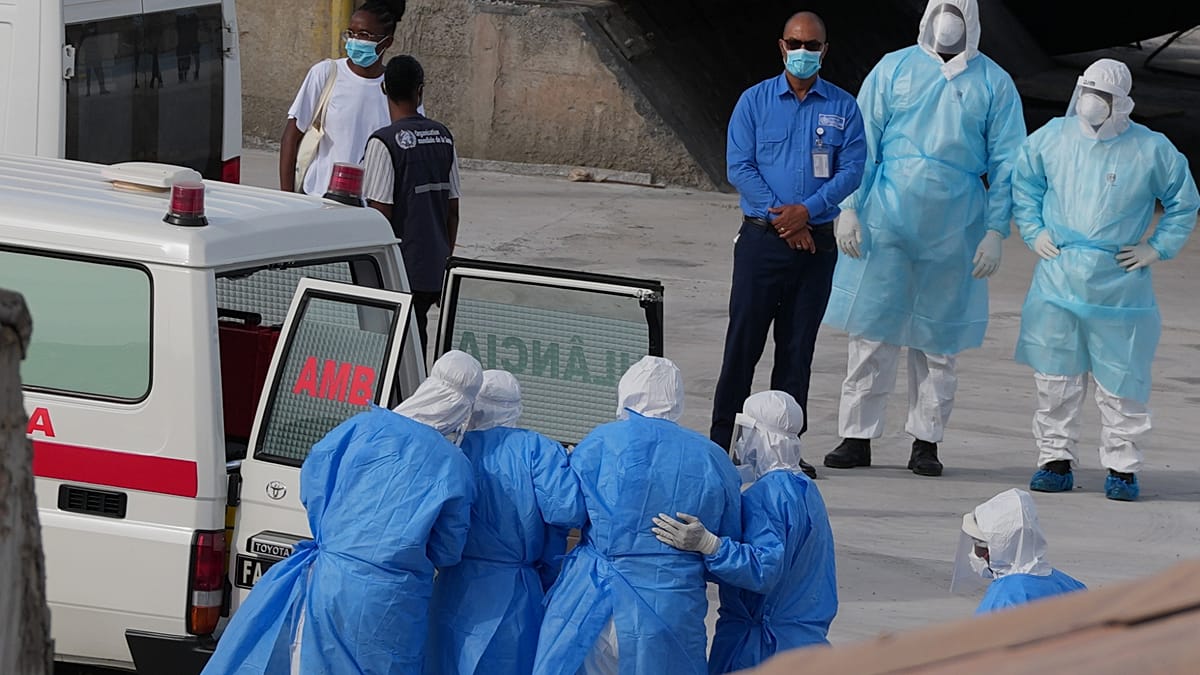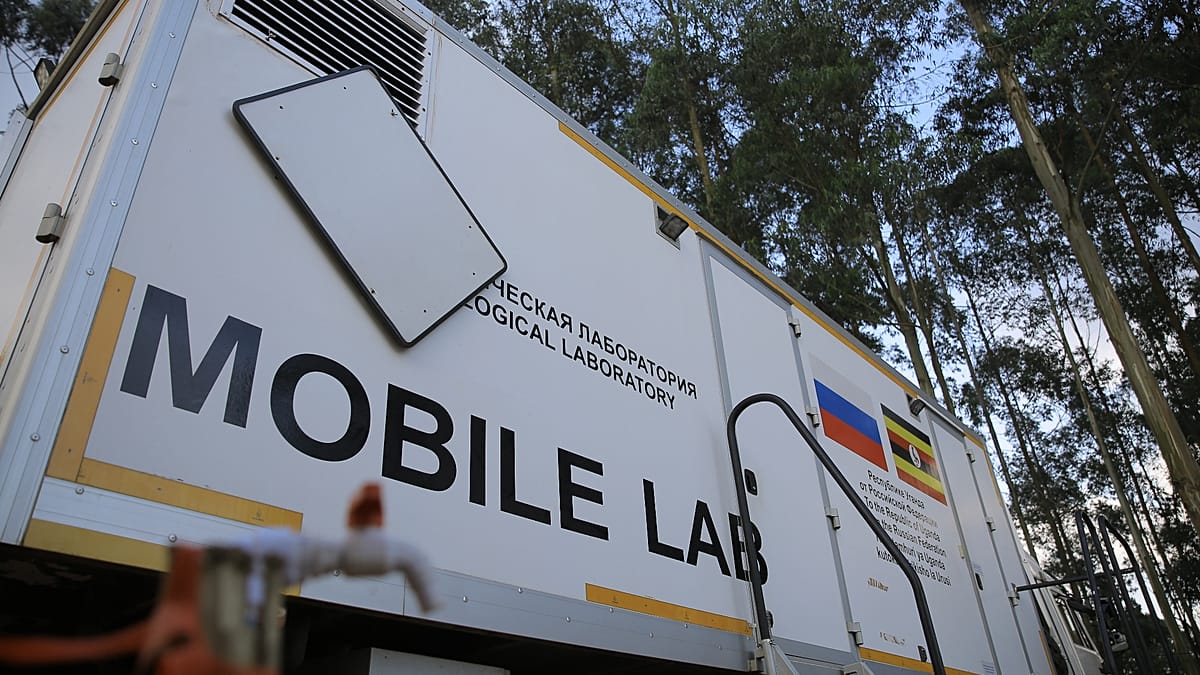
In the heart of the Democratic Republic of Congo's ongoing Ebola response, a mobile laboratory in Butembo is transforming how quickly patients learn whether they carry the virus. The facility, operated by European and Congolese health teams, now returns results within 24 hours—and in many cases, within just six hours. That speed is a critical advantage in a region where every hour counts.
Why speed matters in an outbreak
Ebola is a highly lethal virus, but early detection dramatically improves survival odds and helps break chains of transmission. In previous outbreaks, patients in remote areas often waited days for lab confirmation, during which time they might unknowingly infect family members or healthcare workers. The Butembo lab shortens that window, allowing health workers to isolate confirmed cases and begin supportive care almost immediately.
The lab is part of a broader European effort to bolster the DRC's response capacity. The European Union has already sent Ebola experts to the region as vaccine trials get underway, and the mobile unit complements those efforts by providing on-the-ground diagnostic power.
How the mobile lab works
Housed in a series of tents and containers, the lab is equipped with portable PCR machines that detect the virus's genetic material. Samples are collected at local health centers and rushed to the lab by motorcycle, where technicians process them in batches. The entire workflow is designed for speed: from sample reception to result reporting, the team has streamlined every step.
"We've cut the turnaround time dramatically," said Dr. Marie-Claire Kalonji, a Congolese microbiologist working at the lab. "In the past, patients might wait two or three days. Now, many get their results the same day. That changes everything for their families and for the community."
The lab's location in Butembo is no accident. The city, in North Kivu province, has been a hotspot in recent Ebola flare-ups, and its dense population and cross-border trade routes make it a high-risk area. By placing the lab here, responders can quickly identify cases and trace contacts before the virus spreads further.
European collaboration at the core
The initiative is a joint effort involving the EU's Civil Protection Mechanism, the World Health Organization, and the DRC's National Institute for Biomedical Research. European scientists from institutions in Belgium, France, and Germany have helped train local staff and validate the testing protocols. This collaboration reflects a broader trend of European health expertise being deployed in African outbreak settings.
"This is not just about sending equipment," noted Dr. Hans van den Berg, a Dutch epidemiologist coordinating the EU's response. "It's about building local capacity so that when the next outbreak comes—and it will come—the region is better prepared."
The mobile lab also feeds into a wider surveillance network. Results are logged into a digital database that health authorities use to map the outbreak in real time. That data helps decide where to deploy vaccination teams and which communities need targeted messaging about prevention.
Challenges remain
Despite the progress, obstacles persist. The region is plagued by insecurity, with armed groups active in parts of North Kivu, making some areas difficult to reach. The lab's staff have had to adapt to power cuts and supply chain disruptions, though solar panels and backup generators provide some resilience.
Moreover, the mobile lab is not a panacea. It can process only a limited number of samples per day, and larger outbreaks would require additional units. Still, the model has proven effective enough that health officials are considering replicating it in other high-risk zones, such as South Kivu and Ituri.
The impact extends beyond Ebola. The same diagnostic equipment can be repurposed for other viral hemorrhagic fevers, such as Marburg and Rift Valley fever, which pose similar threats in the region. That versatility makes the investment worthwhile even as the current outbreak wanes.
For the people of Butembo, the lab represents a tangible sign of hope. "When I got my result in six hours, I couldn't believe it," said local resident Jean-Baptiste Mumbere, who tested negative last month. "The waiting is the hardest part. Now, at least, we know quickly."
As the DRC continues to battle Ebola, the mobile lab stands as a reminder that innovation and cooperation can save lives. European support, combined with local expertise, is making a real difference in one of the world's most challenging health environments.