A senior Moroccan official has said that Rabat warned Madrid in late July that a Spanish Supreme Court ruling on migrant returns would create a crisis, weeks before thousands of people surged into the Spanish exclave of Ceuta. The claim, made on condition of anonymity, adds a new layer to the diplomatic fallout from one of the most dramatic border incidents in recent European memory.
On 8 July, Spain's highest court ruled that migrants arriving by sea could not be returned as swiftly as those crossing by land, a decision that effectively limited Madrid's ability to carry out fast-track deportations. The Moroccan official said that Rabat began engaging with Spanish authorities around 22–23 July, when social media networks started amplifying the ruling's implications.
“We discussed this ruling and its impact. We explained that this ruling was going to create a problem. And it did create a problem,” the official said on Monday night.
Spanish government spokeswoman Elma Saiz rejected the assertion. “At no point was there any evidence, any report that alerted us to the magnitude of this unprecedented event,” she told reporters in Madrid. The disagreement underscores the fragile trust between the two countries, which have long cooperated on migration control despite periodic tensions.
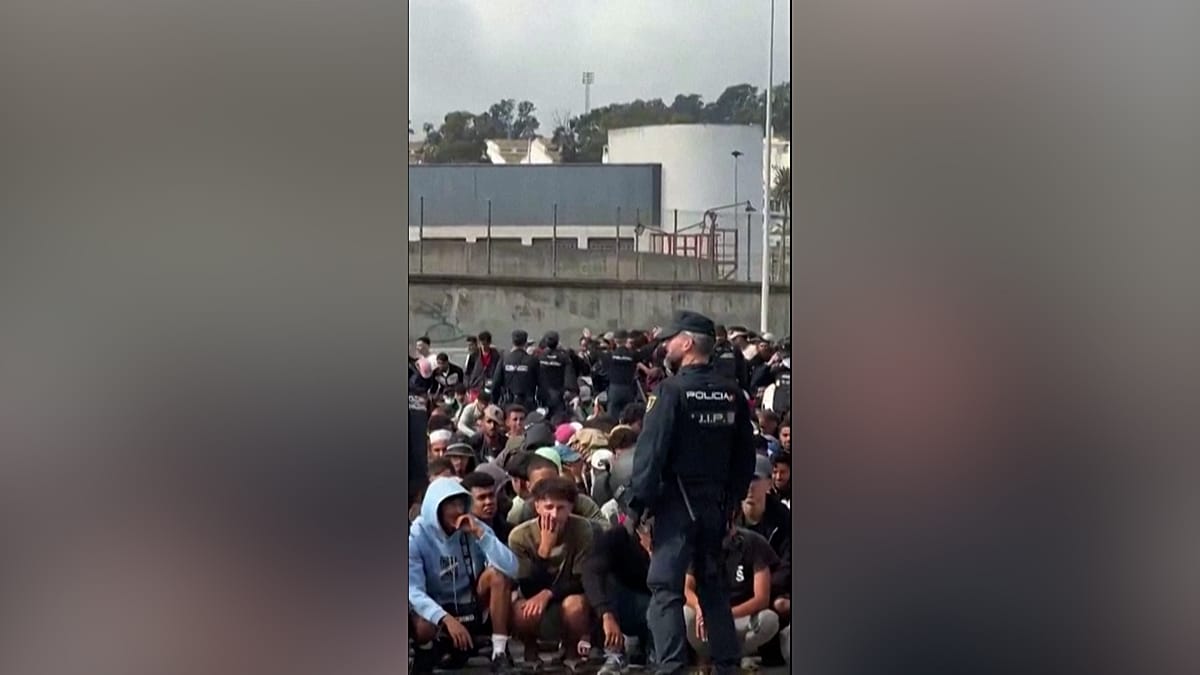
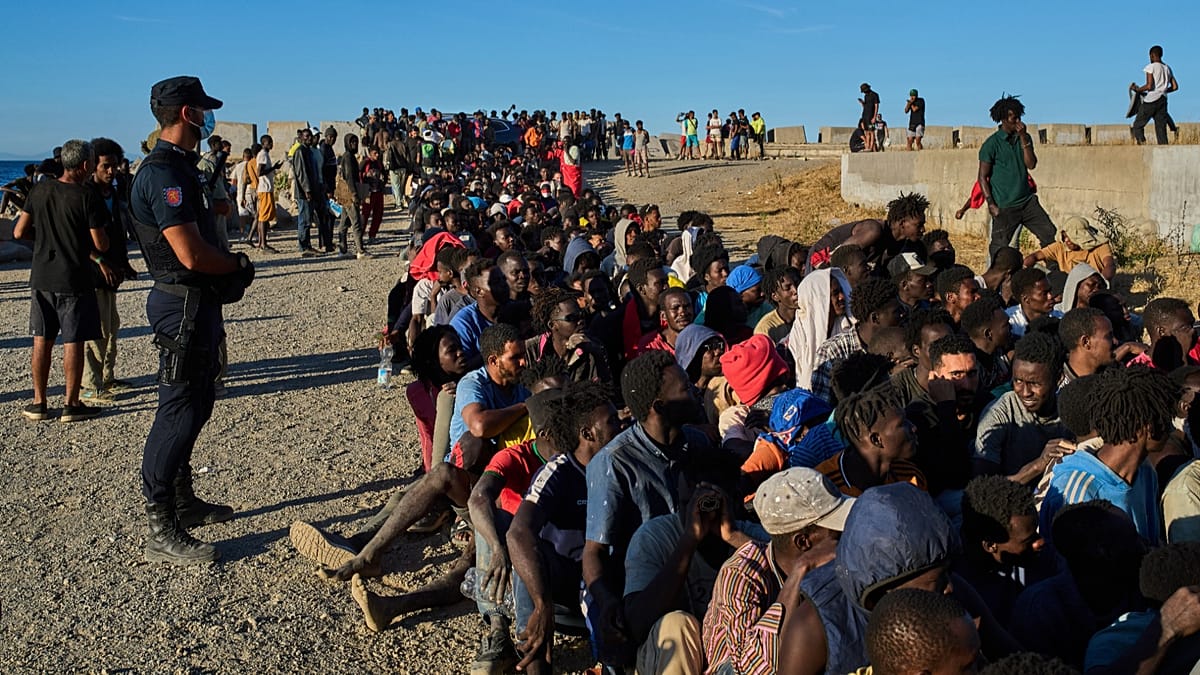
Last week, at least 50,000 people, mostly Moroccans, entered Ceuta on foot or by swimming from the nearby city of Fnideq. The influx overwhelmed the enclave's infrastructure, with migrants sleeping on beaches and streets before thousands were returned to Morocco. Spanish authorities have blamed criminal gangs for spreading misinformation about the court ruling, a narrative that social media rumours helped fuel.
Morocco defends its response
The Moroccan official argued that the mass movement was not a failure of the kingdom's security apparatus. “It's simplistic to say that Morocco should just have used force to stop them. That is to completely misunderstand this phenomenon,” he said. “Could Spain, seeing them coming, have done something to stop them simply using weapons and security forces? That's not possible.”
He added that Moroccan law enforcement eventually could not confront the migrants because “the numbers were very large” and “the pull effect was very strong.” The official stressed that migration management is not Morocco's sole responsibility, noting that the kingdom spends around €500 million annually on related measures.
Despite the friction, he insisted that Rabat and Madrid had acted “as reliable partners” and continued to work “in perfect coordination” on migration issues. “Today, it is up to Spain to find answers to the challenges posed by this ruling,” he said. “Morocco's commitment remains the same. It accepts the return of those who manage to cross. It puts in place preventive measures to stop as many departures as possible, and it will continue” to do so.
Saiz, however, credited Morocco's cooperation for Spain's “exceptional response in such a short period of time.” The crisis has also exposed deeper policy rifts within Spain, as protests in Ceuta have highlighted disagreements over how to handle border pressures. Meanwhile, smuggling networks are adapting, shifting operations from the land border to maritime routes.
The episode has reignited debate across the European Union about the external border and the need for a common migration policy. Spain has called for EU solidarity, but the bloc remains divided on how to share responsibility. For now, the immediate crisis has subsided, but the underlying tensions—over court rulings, border enforcement, and the role of social media—remain unresolved.