In a significant escalation of its pressure on Western businesses, Russia has placed the local operations of Nestlé, Auchan, and several other foreign-linked companies under temporary state-appointed management. The decree, signed by President Vladimir Putin on Thursday, transfers control of stakes and shares in 16 Russian companies to a little-known entity called L.E.V. Management.
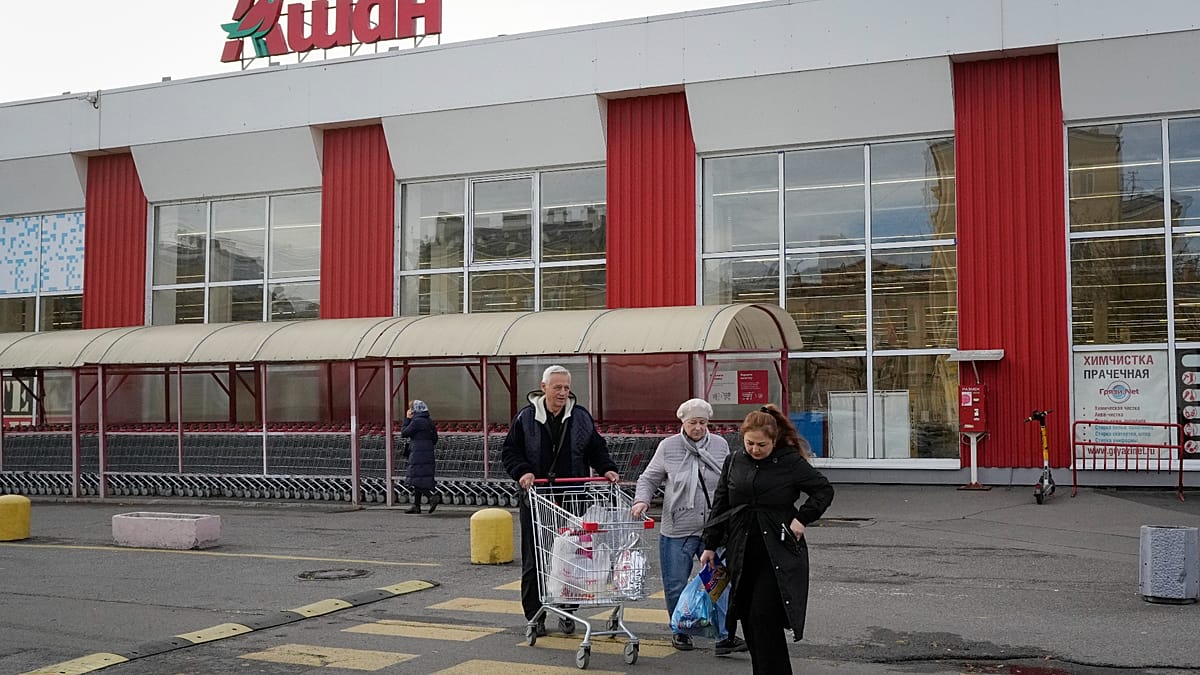
The affected businesses include Nestlé Russia, Nestlé Kuban, the Russian subsidiary of French retailer Auchan, two local entities of logistics firm FM Logistic, and Le Monlid, which operates the former Leroy Merlin DIY chain under the Lemana Pro brand. The move is part of Moscow's broader strategy to tighten its grip on Western-owned assets in response to sanctions imposed after its full-scale invasion of Ukraine in 2022.
Kremlin spokesman Dmitry Peskov justified the decision on Friday, stating that the companies come from "unfriendly countries" that are "currently most actively involved in military operations against our country." This rhetoric underscores the Kremlin's framing of the conflict as a confrontation with the West, a narrative that has been central to its domestic messaging.
Legal ambiguity and precedent
According to Russian lawyers cited by the business daily Kommersant, the measure does not formally confiscate the businesses or alter their ownership. However, temporary administration has previously been a precursor to the sale or transfer of Western-owned assets to Russian buyers, raising concerns among foreign investors about the security of their holdings.
L.E.V. Management, the entity now in control, was registered in Moscow in October 2024, and its shareholders are not publicly disclosed. Its 2025 accounts reportedly show no active business operations, and its general director, Andrei Krayushkin, was appointed on 10 September, just a week before the decree. Independent outlet Novaya Gazeta Europe reported that Krayushkin's name and date of birth match those of a Russian interior ministry major general, though this has not been independently confirmed.
The move is the latest in a series of measures that have made it increasingly difficult for foreign companies to exit Russia. Since the invasion, Moscow has required presidential approval for deals involving foreign-owned assets and has placed several high-profile companies under temporary administration, including those in the energy and consumer goods sectors.
Nestlé weighs options, others continue operations
Nestlé, which employs around 7,000 people and operates six factories in Russia, said it was "assessing the situation and its options." In a statement, the Swiss food giant said it is "committed to taking all necessary steps to protect its rights and ensure continuity of business operations in the interests of all stakeholders, particularly its employees."
The company has already suspended most non-essential sales, imports, exports, advertising, and capital investment in Russia, while continuing to supply products it considers essential. Jean-Philippe Bertschy of Swiss investment bank Vontobel noted that the financial impact is expected to be limited, as Russia now accounts for around 1% of Nestlé's group sales, down from approximately 2% before the war.
Auchan Retail Russia told Russian business news outlet RBC that it had asked authorities to clarify the decree and would comment further after receiving more information. It said its stores and other facilities continued to operate normally. Auchan employs around 30,000 people and operates approximately 230 stores and an online business in Russia.
Lemana Pro, the rebranded Russian arm of Leroy Merlin, told Kommersant that it had not yet received official information from the authorities and continued to operate normally. The French parent company Adeo transferred control of its Russian business to local management in 2023, and the operation now has 112 stores. FM Logistic had not publicly commented at the time of publication.
This development comes amid heightened tensions between Russia and the West, with recent incidents such as Poland scrambling jets as Russian strikes near its border triggered air raid alerts. The EU's defence chief has also called for Russia to pay a "painful price" for hybrid attacks, reflecting the broader confrontation that now extends into the economic sphere.
For Western companies still operating in Russia, the message is clear: Moscow is willing to use its legal and administrative powers to assert control over their assets. While the immediate impact may be limited for giants like Nestlé, the precedent set by this move could have lasting implications for foreign investment in Russia.