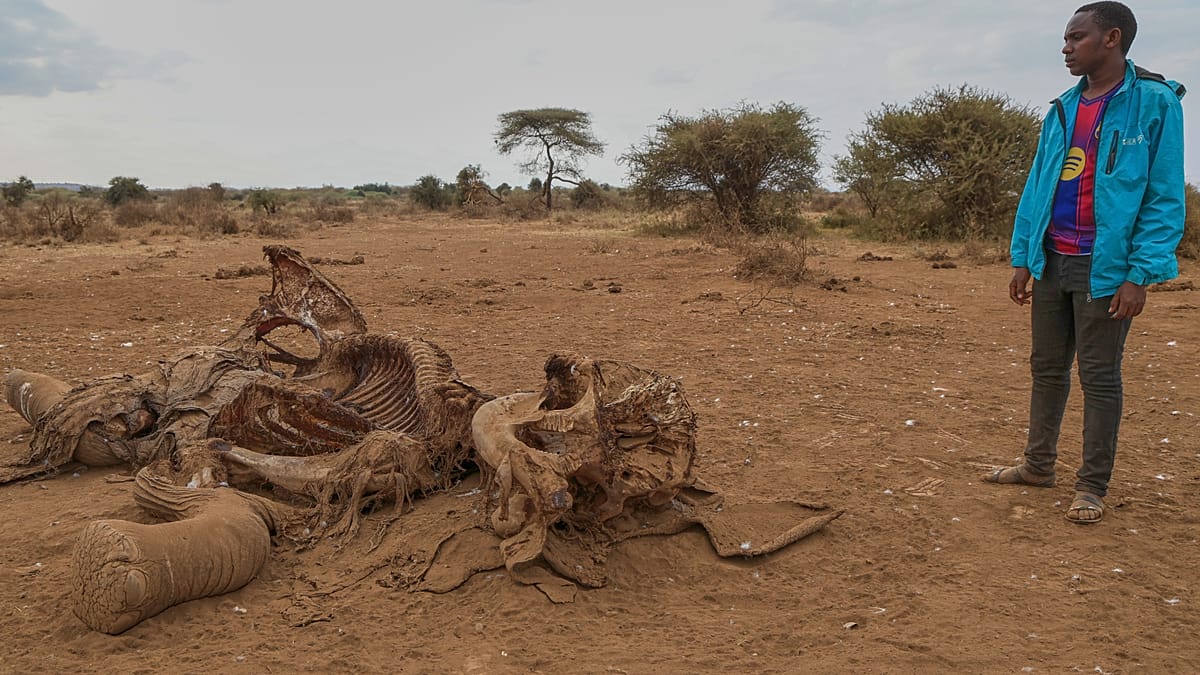
Since June, at least 20 elephants have died in a popular wildlife region of southern Kenya, near the Tanzanian border and Mount Kilimanjaro. The deaths have left local wildlife experts and authorities searching for answers, as initial tests have not provided a conclusive explanation.
Patrick Papatiti, head of operations for Olgulului communal lands, confirmed the rising toll. "The number has now reached 20," he said, while efforts to determine the cause continue.
Early laboratory results suggested cyanide poisoning from pesticides used on nearby farmland. However, Papatiti and his team are not convinced, pointing to the behaviour of scavengers that have fed on the carcasses without ill effects.
Scavengers unaffected
"We have seen hyenas eating the carcasses and they don't die. We have seen vultures feeding on the carcasses and they don't die. We have seen flies landing on the carcasses. They feast, get happy and leave. So we have no idea what this is," Papatiti told reporters.
The elephants, he said, have shown distressing symptoms before death. "They have difficulty walking and breathing, and they appear restless. They lie down until they die. At times, you would find one struggling for a day, struggling for two or even three days until they completely die."
The deaths come two years after Kenya experienced a severe drought that took a heavy toll on wildlife. But Papatiti stressed that current conditions are not the cause. "Currently, we have abundant pasture around, we have water close to where these elephants go. We have protection within the ecosystem that we work."
The uncertainty is raising broader concerns about the potential impact on other animals and, ultimately, on local communities. "How do we know if this is going to translate into going to livestock? Then when it gets to livestock, it is going to get to the community, local community around. So, how much are we going to lose until we fight to stop this happening?" Papatiti asked.
Wildlife authorities are continuing to investigate, with further tests planned. The mystery echoes other unexplained wildlife die-offs across Africa, which have sometimes been linked to toxins, disease, or climate-related stress. For now, the elephants of southern Kenya remain a troubling enigma.