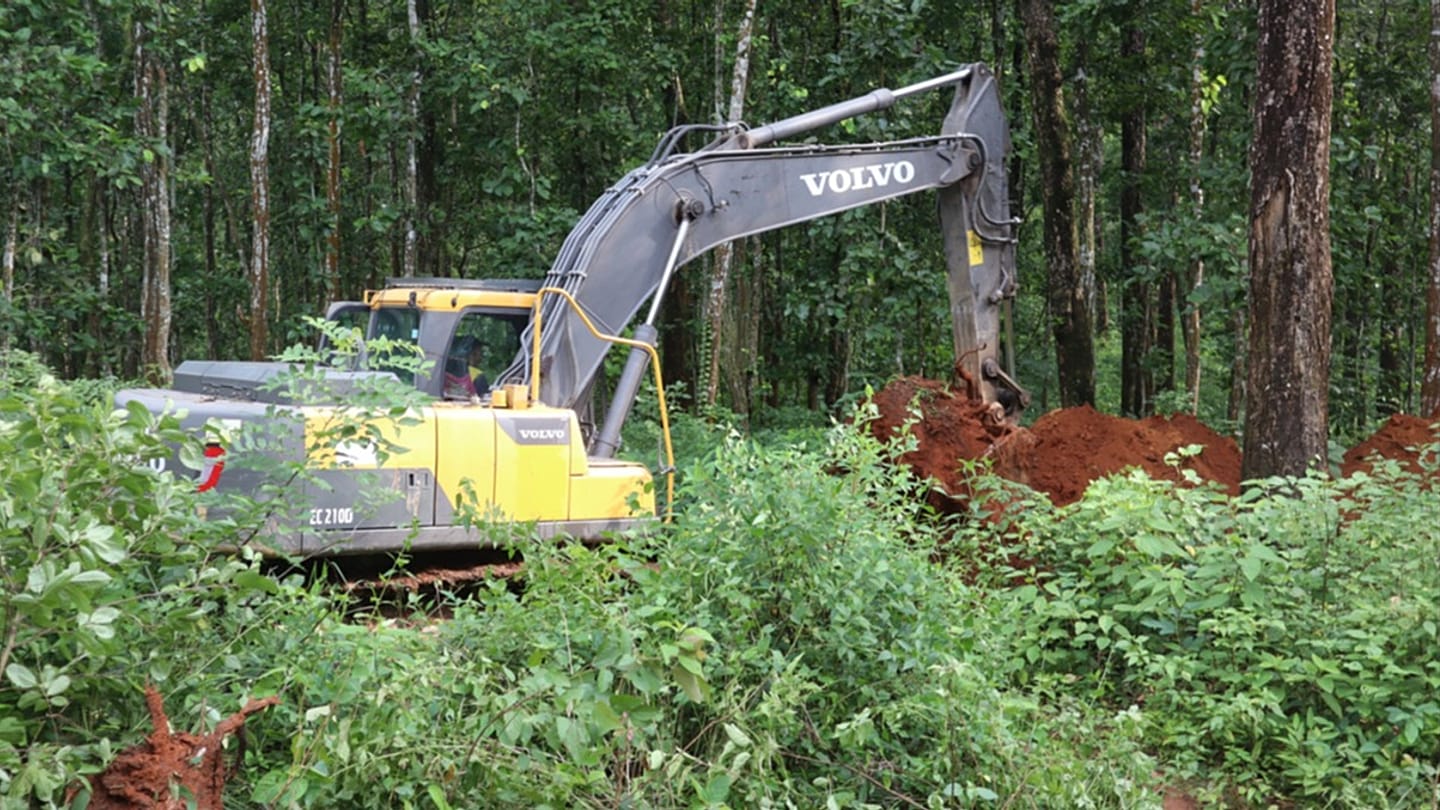
As Nepal grapples with the aftermath of catastrophic floods that have claimed hundreds of lives, a new controversy has emerged: the temporary burial of unidentified victims. Authorities in Kathmandu and other affected districts have resorted to mass interments to prevent health risks and manage the overwhelming number of bodies, but the move has ignited public outrage across the country.
Many Nepalis, particularly those in Hindu-majority communities, have accused officials of disregarding traditional burial rites. In Hinduism, cremation is the customary practice for the deceased, and any deviation is seen as a violation of deeply held beliefs. The temporary burials, which are meant to be exhumed later for proper rites, have been criticized as insensitive and poorly executed.
Anger over mismanagement
Local residents and relatives of the missing have voiced frustration, saying that the authorities have not done enough to identify the dead or inform families. In some cases, bodies were buried without proper documentation, making it nearly impossible for families to locate their loved ones later. "They are treating our people like anonymous numbers," said one resident of a flood-hit village in the Kavre district, who asked not to be named. "We demand dignity for the dead."
The government has defended its actions, arguing that the scale of the disaster left little time for individual identification. Officials say the temporary burials are a stopgap measure to prevent disease outbreaks and that exhumation and proper rites will follow once the situation stabilizes. However, such assurances have done little to quell the anger, with protests reported in several towns.
The controversy comes as Nepal continues to face the fallout from the floods, which have also affected neighboring Tibet. The disaster has raised broader concerns about glacier collapse as a likely trigger, a phenomenon that scientists warn could become more frequent in the Himalayas due to climate change.
Meanwhile, the humanitarian toll remains staggering. According to the latest reports, the death toll has surpassed 750, and more than 2,400 people are still missing, including hundreds of foreign nationals. UNICEF has warned that at least 17,000 children are in urgent need of aid, and rescue teams are still working to reach isolated communities.
The flood crisis has also drawn international attention, with diaspora communities in cities like New York mourning the loss of loved ones. In Europe, the disaster has prompted discussions about disaster preparedness, particularly in mountainous regions. The Mediterranean heat has fueled flash-flood risks in southern Europe this September, highlighting the shared vulnerabilities of mountain and coastal areas.
For Nepal, the immediate priority remains rescue and relief, but the burial controversy has added a layer of complexity to an already dire situation. As the country mourns, many are calling for a more transparent and culturally sensitive approach to handling the dead. The government has promised to review its procedures, but for now, the anger over the temporary burials shows no signs of abating.