Netflix has taken a decisive step into live sports broadcasting by acquiring the rights to the 2030 FIFA World Cup for Spain and Andorra. The streaming giant announced on Tuesday that it will air all 104 matches of the tournament live, a move that challenges the dominance of traditional television networks in one of Europe's most football-obsessed markets.
The 2030 World Cup will be hosted across Morocco, Portugal, and Spain, with three special centenary celebration matches scheduled in Argentina, Paraguay, and Uruguay. This transcontinental format underscores the tournament's global appeal, but for Spanish audiences, the action will now be just a click away on Netflix.
A new era for sports viewing
This agreement is part of Netflix's broader strategy to diversify its content portfolio beyond scripted series and films. By securing live sports rights, the platform aims to attract subscribers who might otherwise rely on cable or satellite providers. In Spain, the deal also includes a commitment to keep some matches accessible to a wider audience: at least one match per matchday will be available free of charge, and a nationwide free-to-air channel will be permitted to broadcast all of Spain's matches, as well as the two semi-finals and the final.
Bela Bajaria, Netflix's chief content officer, highlighted the unifying power of football in a statement to Tudum, the company's companion site. "Few events unite people like the World Cup," she said. "I was in the stands this year as Spain lifted the trophy and witnessed the passion, the pride, the stories - they all become part of a nation's culture and are remembered for generations."
Mattias Grafström, secretary general of FIFA, welcomed the partnership. "We are pleased to build on our partnership with Netflix as we look ahead to the FIFA World Cup 2030," he said.
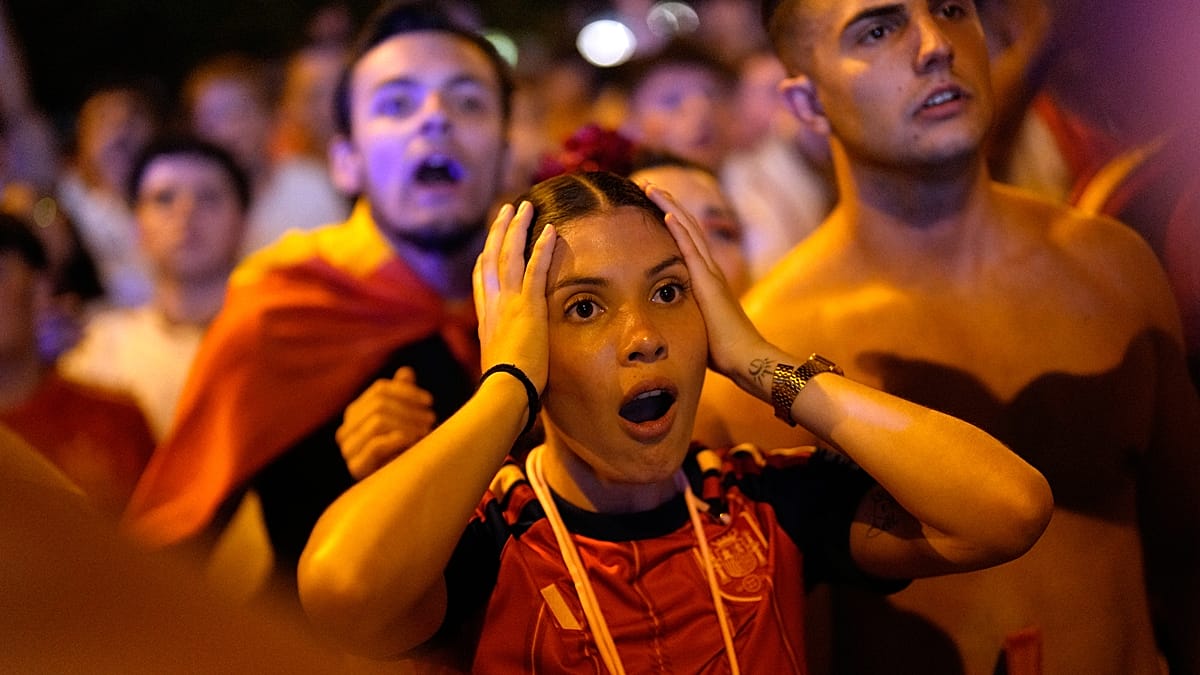
The move comes at a time when Spain's sporting and political landscapes are closely intertwined. The country's recent successes on the pitch have been a source of national pride, but also a backdrop for broader debates about identity and governance. For instance, Spain's National Day celebrations have often reflected these tensions, with unity rallies in Barcelona and far-right presence in Ceuta.
Netflix's entry into sports broadcasting is not without precedent. The company has experimented with live events, including comedy specials and tennis exhibitions, but the World Cup represents its most ambitious foray yet. Analysts see this as a potential game-changer for the streaming industry, which has been seeking new ways to retain subscribers in a saturated market.
For Spanish viewers, the practical implications are significant. While Netflix will be the primary broadcaster, the free-to-air provisions ensure that the tournament remains a shared cultural moment, rather than a paywalled exclusive. This hybrid model could serve as a template for other countries as FIFA continues to negotiate rights for the 2030 edition.
The deal also raises questions about the future of sports media rights across Europe. Traditional broadcasters, such as Spain's RTVE or private networks, have long relied on major tournaments to drive advertising revenue and audience share. Netflix's aggressive move signals a shift in how European audiences consume live sports, a trend that may accelerate in the coming years.
Beyond the immediate broadcast rights, the partnership could have ripple effects on how football is marketed and experienced. Netflix's global reach and data-driven personalization might offer new ways to engage fans, from tailored highlights to interactive features. However, critics caution that the fragmentation of rights across platforms could make it harder for casual viewers to follow tournaments, especially in countries where multiple streaming services are required.
As the 2030 World Cup approaches, all eyes will be on how Netflix delivers on its promise. The company has yet to announce specific production plans or commentary teams, but its track record in high-quality content suggests a polished presentation. For now, Spanish and Andorran fans can look forward to a tournament that will be more accessible than ever, even as the media landscape continues to evolve.