A new long-distance hiking route, the Wolf Trail, now connects Poland’s Baltic coast with Italy’s Adriatic shore, traversing six European countries over nearly 3,500 kilometres. Conceived by outdoor equipment brand Jack Wolfskin, the trail is intended for experienced hikers seeking a multi-month challenge.
The route begins on the Hel Peninsula in northern Poland and follows a 428-kilometre section along the flat Baltic coastline to Świnoujście. From there, it crosses into Germany, passing through historic cities such as Rostock before heading south toward the Austrian border. The trail then winds through the Allgäu Alps and into Innsbruck, Austria’s fifth-largest city, before entering Switzerland and Slovenia.
From the Alps to the Adriatic
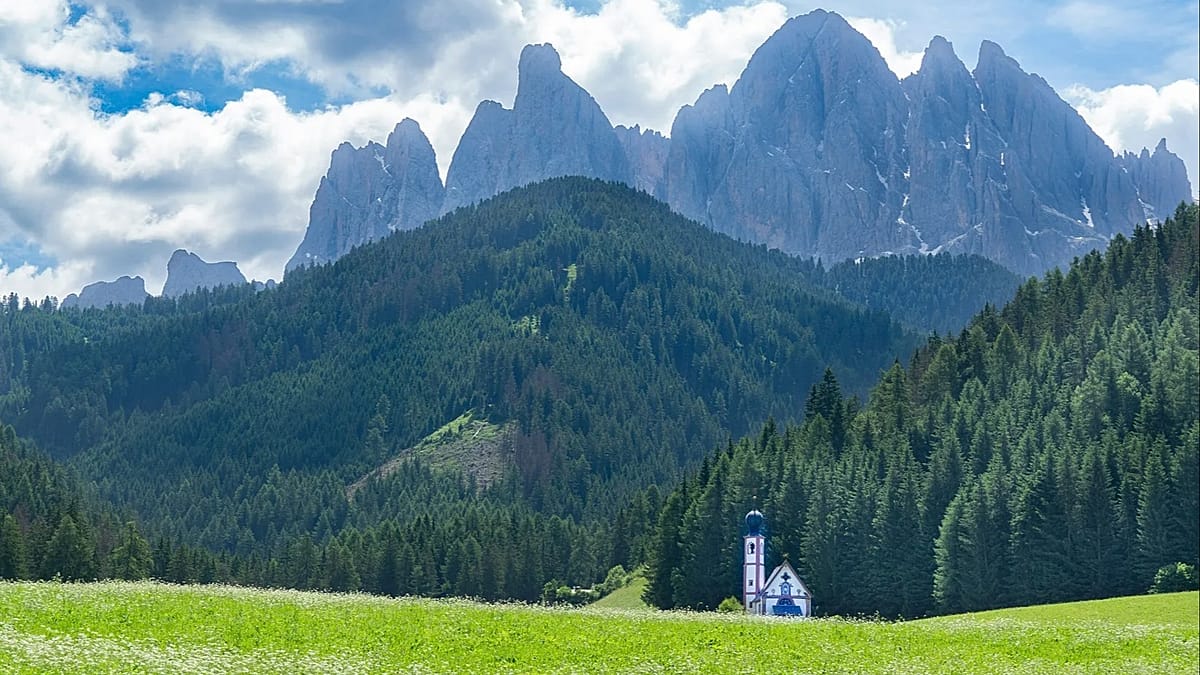
The final leg of the Wolf Trail follows the iconic Via Alpina through the Italian Dolomites and Triglav National Park in Slovenia, ending in Trieste. Hikers can celebrate their arrival with a drink overlooking the Adriatic Sea. The total elevation gain of 78,400 metres is roughly equivalent to summiting Mount Everest nine times, making the trek a serious physical undertaking.
Jack Wolfskin designed the trail by linking existing historic pathways into a single continuous route. The company consulted Canadian long-distance backpacking expert Lauren Roerick, who confirmed the trail is safe and well-marked, reducing the risk of hikers getting lost. The route is divided into seven continuous stages, and completion typically takes four to six months, depending on pace and weather conditions.
Because the trail crosses high Alpine terrain, hikers must plan their timing carefully. Between October and March, blizzards can pose significant hazards, so the recommended hiking window runs from late spring to early autumn.
Practicalities and Accommodation
Europe’s strict camping laws, particularly in Germany where wild camping can result in steep fines, posed a challenge for the trail’s designers. Jack Wolfskin addressed this by ensuring the route passes through pre-approved trekking camps, mountain huts, and local villages where hikers can sleep legally. This approach allows thru-hikers to resupply in towns along the way, a common practice in long-distance hiking.
The Wolf Trail joins a growing network of European long-distance paths, such as the E1 and E4 European long-distance paths, but stands out for its sheer length and diversity of landscapes. It offers a unique way to experience the continent’s natural and cultural heritage, from the Baltic coast to the Julian Alps.
For those considering the trek, the trail’s length and elevation gain demand thorough preparation. Hikers should be in excellent physical condition and carry appropriate gear for variable weather. The route’s integration with existing infrastructure, however, makes it more accessible than a purely wilderness expedition.
As Europe’s outdoor recreation sector continues to grow, the Wolf Trail represents a new benchmark for ambitious hiking projects. It also highlights the potential for cross-border cooperation in developing sustainable tourism routes that showcase the continent’s diverse geography.