The appeal of a sprawling metropolis is undeniable: the noise, the scents, the constant hum of activity. But for travellers seeking a deeper connection to a destination, it's often the quieter corners that hold the most authentic experiences. That's where the Cittaslow movement comes in. Founded in Italy in 1999, Cittaslow (literally 'slow city') is a global network that celebrates towns and villages where local traditions, cuisine, and community life are still the heartbeat of everyday existence.
Of the 310 Cittaslow towns worldwide, Türkiye boasts an impressive 29 – more than any other country. From the Aegean coast to the Black Sea mountains and inland lakes, these towns offer a window into Turkish culture that's far removed from the typical tourist trail. Here's a look at some of the most compelling.
The Aegean's laid-back locales
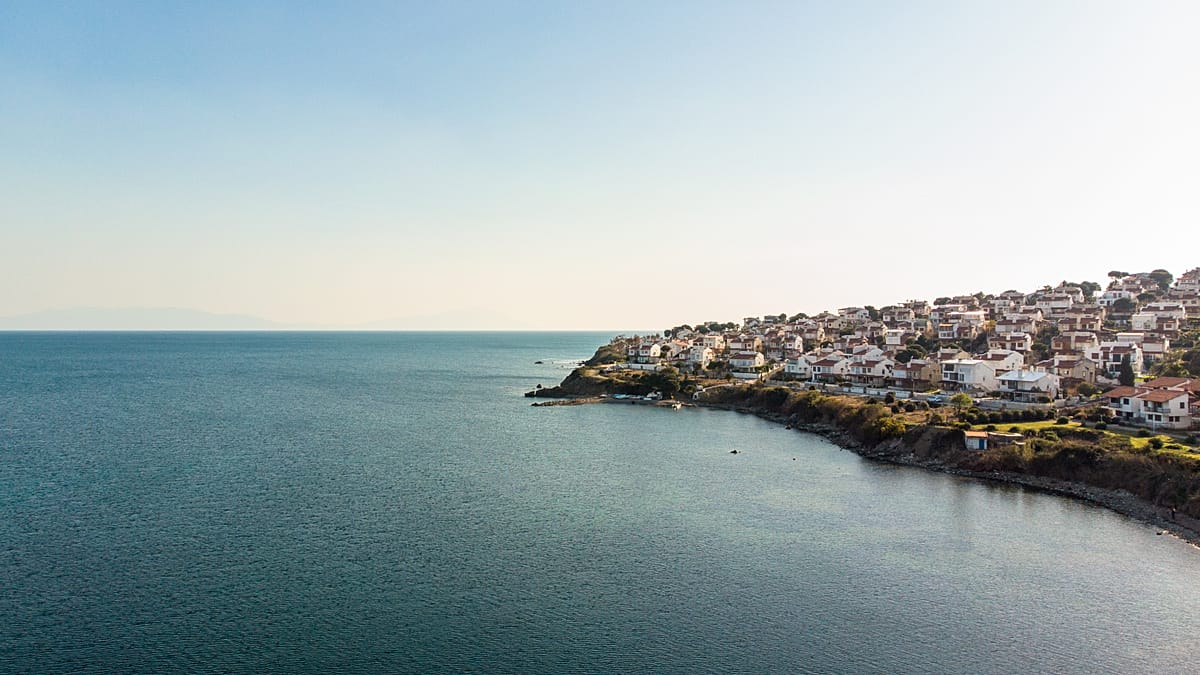
Along Türkiye's shimmering Aegean coast, several Cittaslow towns stand out. Seferihisar, near İzmir, was the country's first 'slow city' and remains a model of sustainable living. Its tangerine orchards and organic markets are a testament to its agricultural heritage, which still sustains the local economy. Visitors can wander through citrus groves, vine-laced hills, and olive groves that have been tended for generations. Just a few kilometres away lie the ruins of the ancient city of Teos, a gateway to the Teos Vineyard Route, where local viticulture thrives among thousand-year-old olive trees. The area also forms part of the Ionian Route, a trekking path that connects the cultural heritage of the ancient Ionian League through breathtaking landscapes.
Further south, tucked into the Gulf of Gökova, is Akyaka, a town known for its serene beauty and distinctive architecture. The buildings here draw inspiration from Muğla's 18th-century Ottoman designs, reimagined by Turkish architect Nail Çakırhan with wooden shutters, balconies, and double staircases. The town's proximity to the Azmak River, a crystal-clear channel winding through the Gökova Plain, offers a protected haven for nature lovers. Boat rides along the eucalyptus-lined banks, bird-watching, and peaceful strolls are the order of the day.
Gökçeada, Türkiye's largest island, sits off the western tip of the mainland and offers a slower pace of life with its own Cittaslow designation. Surrounded by over 500 islands, the country's 'island lifestyle' is never far away.
Black Sea hideaways
Türkiye's northern coastline is a dramatic contrast to the Aegean, with high mountains, rolling hills, and tumbling rivers. On the eastern edge, near the Georgian border, lies Şavşat, a town flanked by the peaks of the Karçal Mountains. Inhabited by a mix of Georgian and Turkish communities, it's a place where history and nature intertwine. The ruins of a 9th-century castle offer eerie exploration, while the surrounding forests of conifers, chestnuts, and rhododendrons provide a supremely peaceful backdrop, especially in autumn when the leaves turn to gold.
In the middle of the Black Sea coast, Gerze was founded in 1400 BCE and became a Cittaslow in 2017. It's a town of quaint charm: toy shops sell hand-carved wooden toys, a Friday farmers' market showcases regional produce, and the fishing legacy is ever-present with fresh seafood on offer. The outskirts are equally enticing – the Çeçe Sultan Tomb, a former pilgrimage site, lies 15 kilometres away, while the hills of Yelken Tepe offer paragliding with a 15-kilometre flight route, the longest in Türkiye.
On the western tip of the Black Sea coast, Vize, once the capital of the ancient Thracian tribe, is filled with ruins from its military past. Remains of 6th-century water pipes that once carried water to İstanbul, a Roman theatre, and fortress walls from 72 BCE are just the beginning of its cultural treasures.
Lakeside serenity
Inland, Türkiye's lakes offer another dimension of slow travel. Eğirdir Lake, the country's fourth largest, is abutted by the town of Eğirdir, which huddles on its southern shores. The town is a gateway to the lake's tranquil beauty, with opportunities for hiking, cycling, and sampling local apple and rose products. The region is also home to ancient sites and traditional villages that remain off the beaten path.
For travellers seeking a more mindful way to explore, Türkiye's Cittaslow towns provide a compelling alternative to the rush of modern tourism. They are places where time seems to move at a different pace, and where the essence of Turkish culture – its food, its history, its landscapes – is preserved and celebrated. As the slow travel trend gains momentum, these towns are poised to become even more popular. And with the growing recognition of sustainable destinations, Türkiye's commitment to the Cittaslow philosophy is a model for the rest of Europe.