A Russian strike in Ukraine has claimed the lives of two employees of the Norwegian People's Aid (NPA), a humanitarian organisation specialising in demining. The incident underscores the persistent risks faced by aid workers in the conflict zone, even as international attention shifts to other crises.
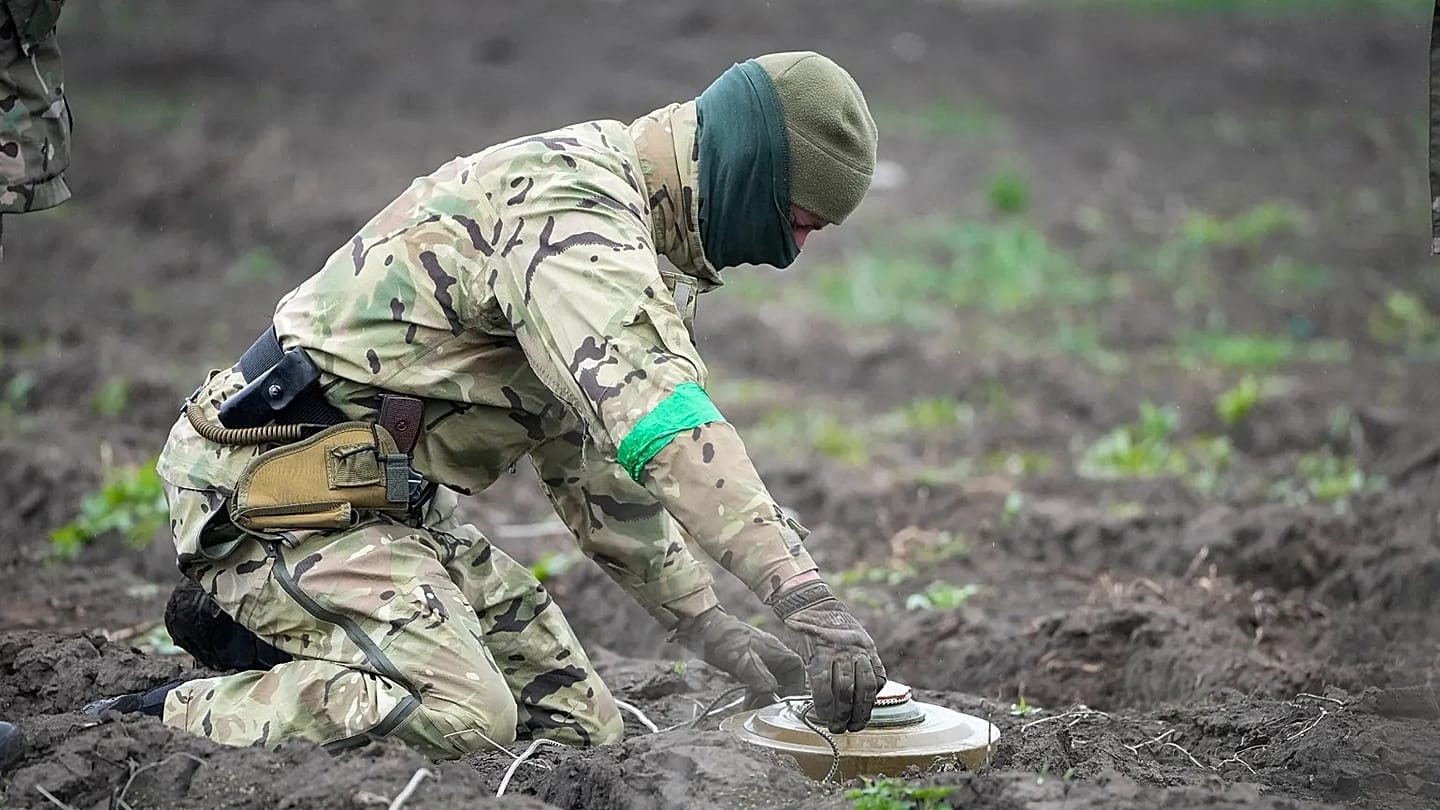
The NPA, headquartered in Oslo, confirmed the deaths on Thursday, though it did not specify the exact location or date of the attack. The organisation has been active in Ukraine since 2023, deploying over 450 staff to clear landmines and unexploded ordnance left by the war. Their work is critical in areas such as Kharkiv, Mykolaiv, and the Donbas, where civilian infrastructure remains heavily contaminated.
Humanitarian Toll Amid Ongoing Conflict
The strike is the latest in a series of attacks targeting humanitarian operations in Ukraine. In recent weeks, Russian drone barrages have hit Kyiv and Mykolaiv, sparking major fires and complicating relief efforts. The NPA's demining teams often operate near front-line areas, where they face both the immediate threat of combat and the lingering danger of mines.
Norway's foreign ministry expressed condolences, stating that the deaths are a tragic reminder of the sacrifices made by humanitarian workers. The NPA has not released the names of the victims pending notification of their families.
The incident also highlights the broader challenges of demining in Ukraine, which is now one of the most mined countries in the world. According to the United Nations, an estimated 30% of Ukraine's territory may be contaminated with explosives, requiring decades of clearance work. The NPA's efforts are part of a larger international response, but funding and security remain persistent issues.
European leaders have repeatedly condemned attacks on humanitarian personnel. The EU's defence chief recently warned of more Russian attacks on European soil, following a killing in Poland that was linked to Moscow's hybrid warfare tactics. The NPA strike fits a pattern of Russian forces targeting non-military infrastructure, including hospitals, schools, and aid convoys.
For the NPA, the loss is deeply personal. The organisation has a long history of working in conflict zones, from Afghanistan to the Balkans, but the scale of the Ukraine war presents unique dangers. The charity's staff often travel in marked vehicles and coordinate with Ukrainian authorities, yet they remain vulnerable to artillery and missile strikes.
In a statement, NPA Secretary-General Henriette Killi Westhrin said: "We are devastated by the loss of our colleagues. They were dedicated to saving lives and making Ukraine safe for its people. This attack is a violation of international humanitarian law."
The strike comes as diplomatic efforts to end the war remain stalled. The EU has trimmed Ukraine's accession ambitions as Budapest blocks progress, while tensions between Warsaw and Kyiv have complicated Western unity. The NPA's work, however, continues, driven by the urgent need to protect civilians from the hidden dangers of war.
As the conflict enters its third year, the toll on humanitarian workers is mounting. The International Committee of the Red Cross has reported multiple incidents involving aid personnel, and the UN has called for greater accountability. For now, the NPA is focusing on supporting the families of the deceased and reassessing security protocols for its remaining staff in Ukraine.