Colombo has moved military units into its main maximum-security prison and two other detention centres after a wave of violent unrest that has left inmates and guards dead. Public Security Minister Ananda Wijepala told parliament on Friday that order had been restored at the Welikada Prison in the capital, but similar incidents were reported elsewhere.
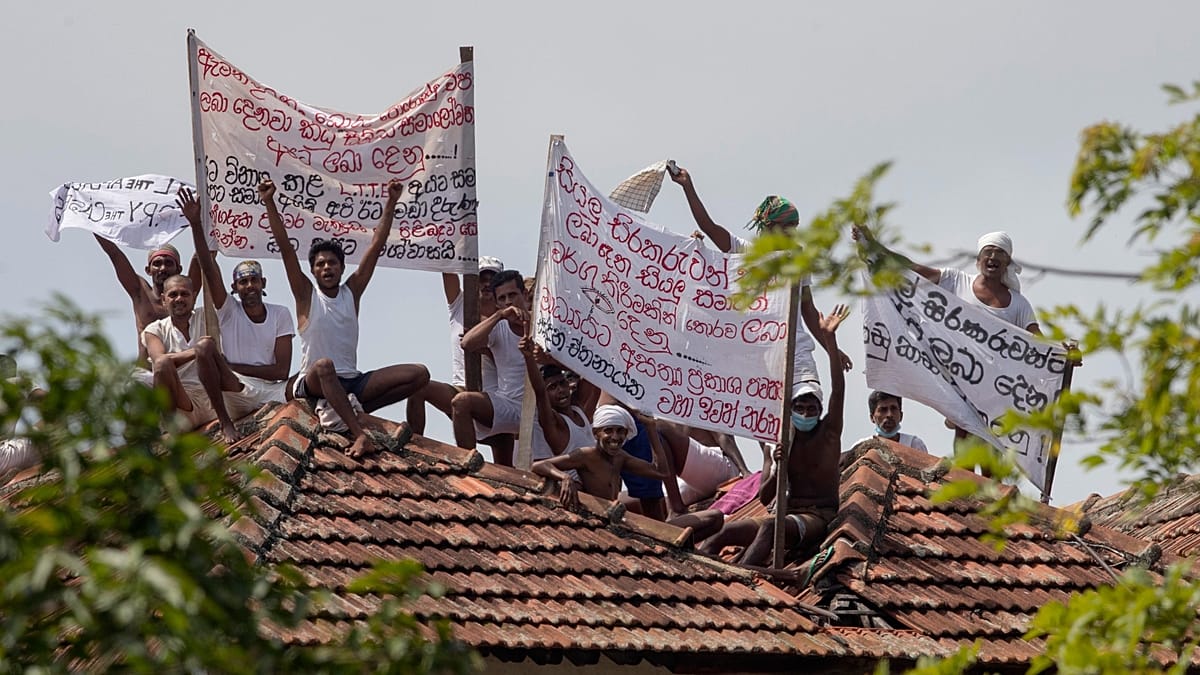
The deployment follows an attempted breakout at Welikada on Thursday night, when roughly 40 convicts tried to escape. Guards intervened, killing one inmate and wounding ten others. In a separate incident at a prison in Kuruwita, about 80 kilometres southeast of Colombo, two inmates were killed and 13 wounded. At a third facility in Pallansena, north of Colombo, 30 prisoners climbed onto a roof and refused to return to their cells after breakfast.
The unrest is not new. Over the past month, two riots at prisons outside Colombo have claimed the lives of ten guards and 23 inmates. Minister Wijepala described a "pattern" in the incidents and suggested a possible conspiracy, though he offered no details.
Overcrowding at crisis point
Officials have consistently pointed to acute overcrowding as the root cause. Sri Lanka's prisons are holding about four times their intended capacity, a situation that has deteriorated over years of economic hardship and rising crime. The government announced plans last month to convert disused state buildings into prisons, but no new facilities have yet been added.
The crisis has drawn attention beyond the island's shores. European observers, including human rights groups and diplomats in Brussels and Geneva, have long warned about conditions in Sri Lankan detention centres. The European Union's delegation in Colombo has previously called for judicial reforms and better prison management as part of its broader engagement with the country.
For now, the immediate priority is containment. Security forces have been deployed to the affected prisons, and Wijepala assured lawmakers that the situation was under control. But with facilities operating at four times their capacity, the underlying pressures remain unresolved.
The government's response—sending in troops rather than addressing systemic issues—has drawn criticism from local activists. They argue that more prisons alone will not solve the problem, and that investment in rehabilitation, mental health support, and alternatives to detention is urgently needed.
As Sri Lanka grapples with this latest outbreak of violence, the international community will be watching closely. The country's stability is of strategic interest to Europe, given its location along key shipping routes and its growing ties with the EU on trade and development. Whether Colombo can move beyond emergency measures and implement lasting reforms remains to be seen.