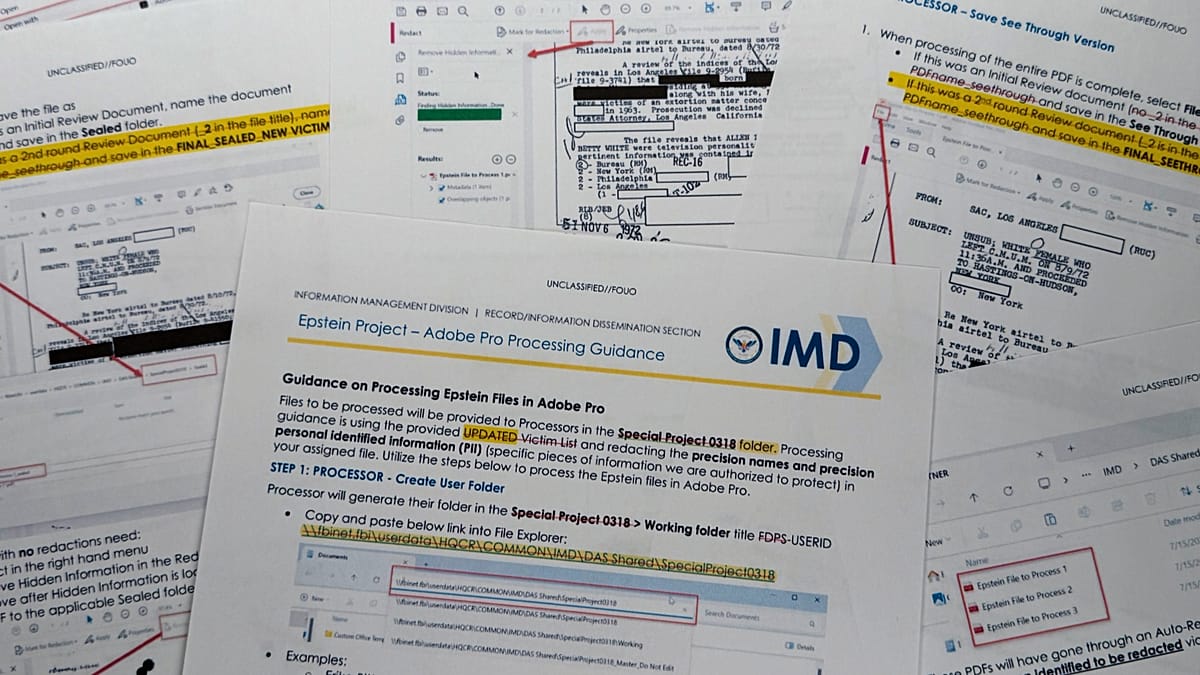
Norway's parliament opened hearings on Wednesday questioning current and former ministers about their connections to the late US financier Jeffrey Epstein, following revelations in the so-called Epstein files. The hearings, held by the Storting's standing committee on scrutiny and constitutional affairs, come amid broader investigations into senior Norwegian officials.
The controversy centres on the foreign ministry's payments of more than 130 million kroner (€11.8 million) between 1997 and 2018 to the International Peace Institute (IPI), a think tank led by Norwegian diplomat Terje Rød-Larsen from 2005 to 2020. Rød-Larsen and his wife Mona Juul, architects of the 1993 Oslo Accords, are both under investigation in Norway—she for aggravated corruption, he for complicity in aggravated corruption. The couple denies any wrongdoing.
Eleven officials who have served as foreign minister or development aid minister since 2005, including current Prime Minister Jonas Gahr Støre, are scheduled to appear before the committee. The hearings are part of a broader effort to clarify the extent of Epstein's ties to Norwegian officialdom.
Epstein's network reaches Oslo
The Epstein documents have also highlighted connections to Thorbjørn Jagland, a former prime minister, foreign minister, secretary general of the Council of Europe, and chair of the Nobel Peace Prize Committee. Jagland is under investigation on suspicion of aggravated corruption but is not among those summoned, partly because his tenure as foreign minister predates 2005.
Another figure, Børge Brende, who served as foreign minister and later as president of the World Economic Forum until his resignation in February, is due to be heard on Wednesday. Epstein had ties with Brende as well.
Jonas Andersen Sayed, a member of the oversight committee, said the Epstein documents raise serious questions about abuse of office, a culture of accountability failures, and poor management of development aid funds. "The issue concerns public trust in the entire system. It is essential that all the facts are brought to light, that accountability is established, and that the necessary reforms are implemented," he said.
The hearings themselves will not result in sanctions, but parliament has established an independent inquiry with a broader mandate to examine the case. That inquiry is due to submit its final report by 31 January 2028.
The developments in Oslo echo a wider European push for accountability in public office. In Hungary, for instance, parliament has recently stripped immunity from the prime minister and two Orbán-era ministers as part of an anti-corruption drive. Meanwhile, the European Parliament has been examining issues of integrity and transparency across member states.
For Norway, the Epstein affair has also raised questions about the use of public funds for international diplomacy. The IPI payments, which continued for over two decades, have come under scrutiny as part of the broader investigation into Rød-Larsen and Juul's conduct.
The case has drawn attention to the intersection of private influence and public policy, a theme that resonates across the continent. As European institutions grapple with similar challenges, the Norwegian hearings may set a precedent for how such matters are handled.
While the hearings are a domestic affair, they carry implications for Norway's international standing, particularly in its role as a mediator and donor. The outcome of the independent inquiry will be closely watched, not least in Brussels, where Arctic policy debates continue to test Norway's relationship with the EU.