Oil prices and US government bond yields rose in tandem on Tuesday as traders concluded that the latest exchange of compensation demands between Washington and Tehran has pushed any resolution of the Strait of Hormuz standoff further into the distance.
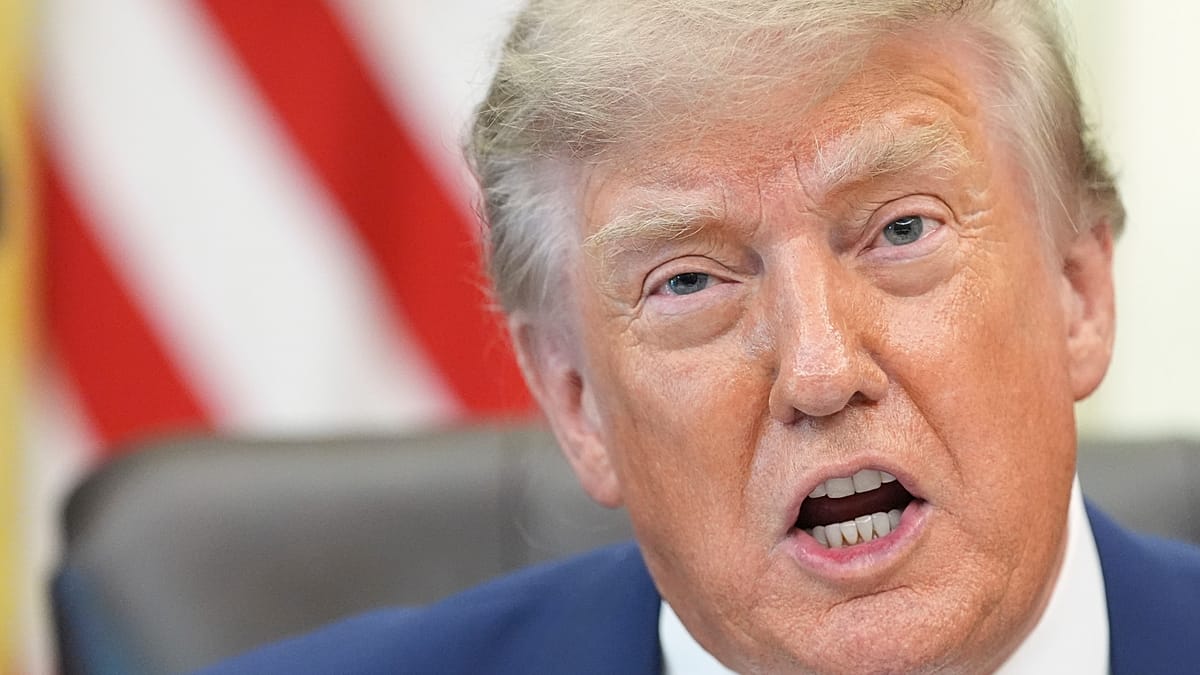
President Donald Trump said on Monday he had instructed his negotiators to seek payment from Iran for Americans killed or wounded in attacks he attributes to Tehran, stretching back decades. That list includes the bombing of the USS Cole in 2000 and Iranian deaths in protest crackdowns. In a follow-up post on Truth Social, he expanded the claim, saying Iran should also pay for “the damages and death caused to the people of Lebanon, Syria, Yemen, and Gaza.”
Iranian representatives, who had sought compensation for five months of US and Israeli bombardment, responded that the Strait of Hormuz will remain closed until Washington lifts its naval blockade, ends sanctions, and releases frozen Iranian assets. The standoff has kept global energy markets on edge, with Brent crude trading around $89.8 a barrel and West Texas Intermediate near $84.2, both up roughly 2.5% on the day.
Bond markets signal inflation fears
The US bond market read the same signals, with yields rising across the curve in a modest global sell-off. The two-year yield climbed above 4.25%, the ten-year surpassed 4.7%, and the thirty-year exceeded 5.27%—all at their highest levels this year. Since yields move inversely to prices, the rise indicates investors are dumping government debt, expecting that costlier oil will feed into inflation and strengthen the case for higher interest rates.
Money markets now assign roughly even odds to a Federal Reserve rate hike in September, with July inflation data due on Wednesday. European investors are watching closely, as higher US rates tend to ripple through global financial conditions, affecting borrowing costs from Frankfurt to Lisbon.
Washington's slow-play strategy
The stalling of negotiations appears deliberate. In an interview with Axios published on Sunday, Trump said the US is “low-keying it,” meaning Washington is only semi-negotiating and content to let Iran's inflation and depleted coffers do the work. That signals he is prepared to let economic pressure mount rather than order a fresh military campaign.
In the Oval Office on Monday, he struck a triumphant note, claiming the US controls “100%” of the Strait of Hormuz, that only the US Navy holds sway in the region, that American forces have swept it clear of Iranian mines, and that the blockade of Iranian ports is impenetrable. However, shipping data tells another story, with tanker tracking showing continued—if reduced—traffic through the strait, suggesting the blockade is less than absolute.
The standoff has broader implications for Europe, which relies heavily on Gulf oil and gas. Any prolonged closure of the strait would hit European energy prices and could reignite inflation just as the European Central Bank considers its next move. For now, the oil price climb is a reminder of how fragile the global energy balance remains.
Meanwhile, Iran has likened the standoff to a game of chess, demanding US concessions before any talks can proceed. The chess metaphor underscores the strategic patience on both sides, but with each side's demands expanding, a quick resolution looks unlikely.
For European policymakers, the crisis adds another layer of uncertainty to an already volatile economic landscape. The EU's trade defences are already being tested by Chinese manufacturing hubs in Morocco and Turkey, and a sustained oil price spike would complicate efforts to control inflation without stifling growth.
As the standoff drags on, the link between compensation demands and peace talks remains a sticking point. Whether the two sides can separate these issues or will continue to escalate remains the key question for global markets.