The latest data from UN Tourism reveals that international tourist arrivals rose by 2% in the first quarter of 2026, reaching 307 million—about six million more than in the same period last year. This growth occurred despite disruptions from the Middle East crisis in March, which has dampened travel demand in affected regions and pushed up airfares globally.
Europe, the world’s largest travel destination region, welcomed over 130 million international tourists in Q1 2026, a 4% increase that builds on the 5% growth seen in 2025. Southern Mediterranean Europe and Northern Europe each saw a 4% rise, while Central Eastern Europe—including countries like Poland and the Czech Republic—recorded a 6% uptick, continuing its post-pandemic recovery.
Offbeat Destinations Surge
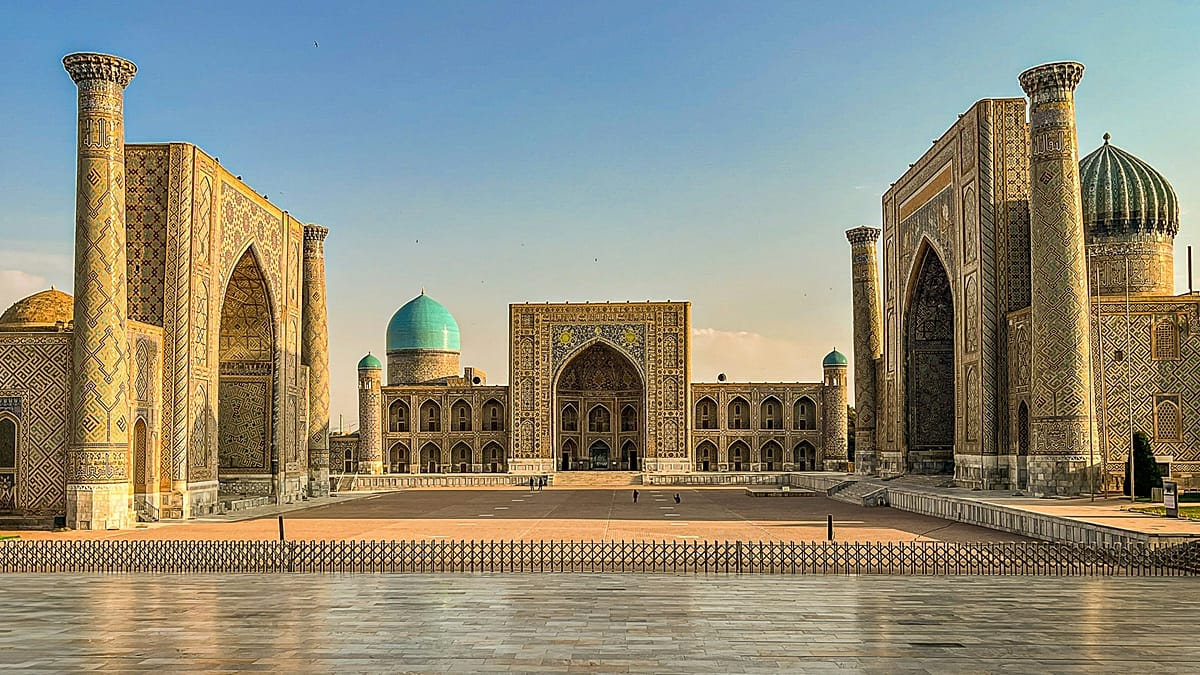
Among the standout performers, several lesser-known destinations posted remarkable growth. Paraguay led with a 46% increase in arrivals, followed by New Caledonia (+45%), El Salvador (+43%), Mongolia (+39%), Palau (+37%), and Uzbekistan (+37%). These figures suggest that travelers are increasingly seeking value for money and unique experiences away from overcrowded hotspots.
This trend aligns with broader shifts in European travel preferences. Many tourists are opting for destinations closer to home to avoid high transport costs, while others are exploring off-the-beaten-path locations. For instance, industrial tourism is gaining traction as an alternative to historic city breaks, offering authentic experiences in places like the Ruhr Valley or northern England.
Middle East Conflict Reshapes Flows
The Middle East conflict has had a significant impact on travel patterns. Arrivals in the Middle East dropped 14% in Q1 2026, with several Gulf states seeing steep declines. However, Egypt bucked the trend with a 16% increase, benefiting from redirected tourism flows. UN Tourism Secretary-General Shaikha Al Nuwais noted: “At a time of growing geopolitical and economic pressure, this reinforces tourism’s wider role in supporting economies, creating opportunity and sustaining communities far beyond the sector itself.”
According to a survey of the Panel of Tourism Experts, 64% said the conflict is negatively affecting travel demand for their destination, with 43% describing the impact as moderate and 21% as high. Conversely, 17% reported an increase in inbound tourism due to disruptions elsewhere, and 14% noted a rise in domestic tourism as travelers substitute international trips.
Cost Pressures and Value Seeking
High transport and accommodation costs remain a major challenge. The spike in oil prices and jet fuel shortages in some markets are driving up airfares and reducing flight capacity, particularly on routes to Asia and the Americas. This is prompting many Europeans to consider closer alternatives, such as luxury cruise and rail combos that emphasize slow tourism.
Other destinations reporting double-digit growth in Q1 2026 include Pakistan (+60%), the Republic of Korea (+38%), Morocco (+24%), Brunei (+22%), and Brazil (+12%). These figures underscore a broader diversification of travel flows, as tourists increasingly prioritize value and novelty over traditional favorites.
For European travelers, the shift toward lesser-trodden paths offers opportunities to explore places like Uzbekistan’s Silk Road cities or Mongolia’s vast steppes without the crowds. At the same time, the rise in domestic tourism within Europe—such as in Spain, Italy, and France—reflects a growing backlash against overtourism, as seen in anti-tourism sentiment across these countries.
As the year progresses, UN Tourism expects international arrivals to grow by 3% to 4% in 2026, though the Middle East conflict could shave one to two percentage points off that forecast. For now, the resilience of the sector—and the emergence of new destinations—offers a nuanced picture of a global industry in flux.