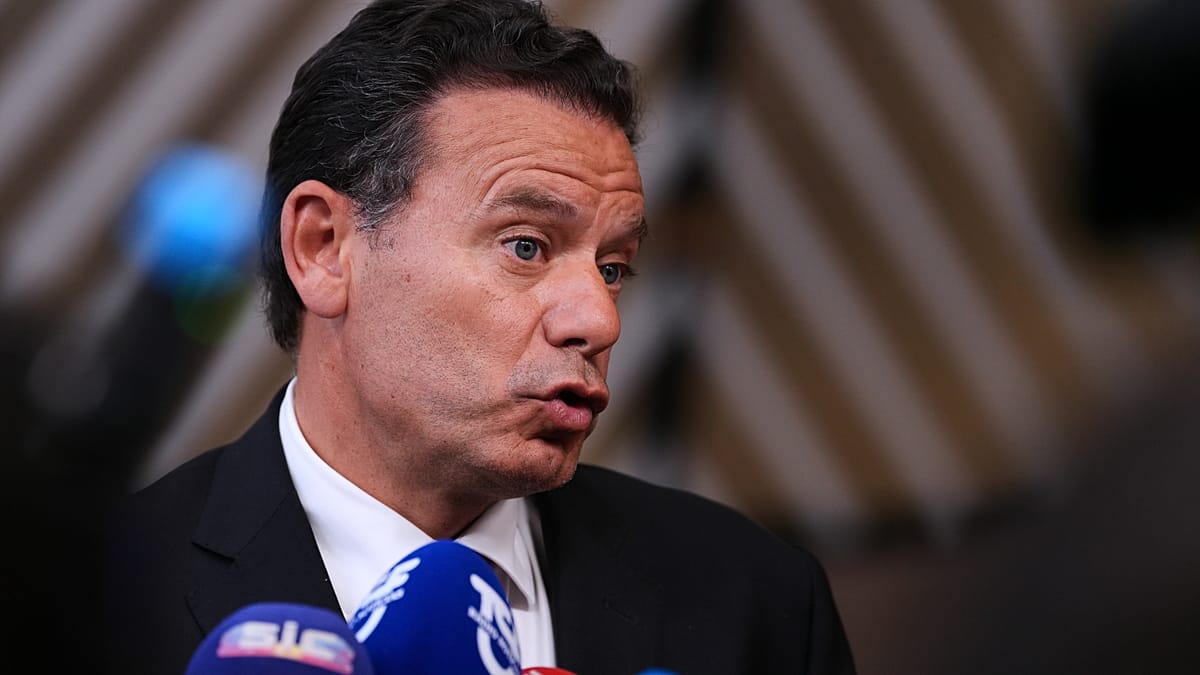
Portuguese authorities have issued a warning about a sophisticated phishing campaign that impersonates Prime Minister Luís Montenegro to trick citizens into revealing personal and banking information. The prime minister's office confirmed on Thursday evening that several individuals have been contacted via email and WhatsApp messages, asking them to fill out a confidentiality agreement in Montenegro's name.
The government has filed a complaint with the competent authorities, including the National Cybercrime and Technological Crime Unit (UNC3T) of the Judicial Police. This unit has previously warned citizens about the growing prevalence of such scams, which often use fraudulent SMS messages and emails featuring logos and templates that closely resemble official ones.
Rising Cyber Threats Across Europe
This incident is part of a broader trend of cybercriminal activity targeting European citizens. Phishing attacks have become increasingly sophisticated, exploiting trust in public figures and institutions. The use of the prime minister's name adds a layer of credibility that can deceive even cautious recipients.
Portugal is not alone in facing these threats. Across the continent, similar campaigns have targeted citizens in other member states, often leveraging the names of high-profile politicians or government agencies. The European Union has been working to strengthen cybersecurity measures, including the EU Leaders Target October Draft for €2 Trillion Budget Deal, which includes provisions for digital resilience.
The UNC3T has urged citizens to verify the authenticity of any unsolicited communication, especially those requesting sensitive data. They recommend checking official government websites for contact information and never clicking on links or downloading attachments from unknown sources.
Cybersecurity experts note that the rise of remote work and digital communication has created new vulnerabilities. The Misinformation Surges After G7 Summit, Targeting Trump and European Leaders highlights how disinformation campaigns can amplify the impact of such scams.
Portuguese authorities are collaborating with European partners to track the perpetrators. The Judicial Police have not yet identified the individuals behind the campaign, but they have urged anyone who receives such messages to report them immediately.
This incident underscores the need for continued vigilance and investment in cybersecurity infrastructure. As the European Union pushes for greater digital sovereignty, incidents like this remind citizens and policymakers alike of the persistent threats in the digital realm.