Across Europe, from Berlin to Barcelona, a quiet revolution is unfolding on balconies and in gardens. Plug-in solar panels—compact photovoltaic systems that can be connected directly to a household socket—are experiencing a surge in popularity. Driven by soaring energy prices and a desire for energy independence, European households are increasingly turning to these mini solar installations as a first step into renewable energy.
But as their adoption accelerates, a critical question emerges: are plug-in solar panels a genuine solution for Europe’s energy transition, or merely a stopgap that risks undermining the broader push for efficient, grid-integrated renewables?
The rise of balcony solar
In Germany, the market for plug-in solar systems—often called “balcony power plants”—has exploded. According to the German Federal Network Agency, over 200,000 such systems were registered in 2023 alone, a tenfold increase from two years earlier. Similar trends are visible in Austria, the Netherlands, and France, where retailers report that plug-in panels are among their fastest-selling home improvement products.
The appeal is obvious. Unlike traditional rooftop installations, which require professional installation, structural assessments, and often complex permitting, plug-in systems can be set up in minutes. A typical kit includes one or two panels, a micro-inverter, and a cable that plugs into a standard wall outlet. Prices range from €400 to €1,000, making them accessible to renters and homeowners alike.
“For many people, this is the easiest way to participate in the energy transition,” says Dr. Anna Müller, an energy policy researcher at the Technical University of Munich. “It lowers the barrier to entry and gives people a tangible sense of contributing to a cleaner grid.”
Efficiency and grid concerns
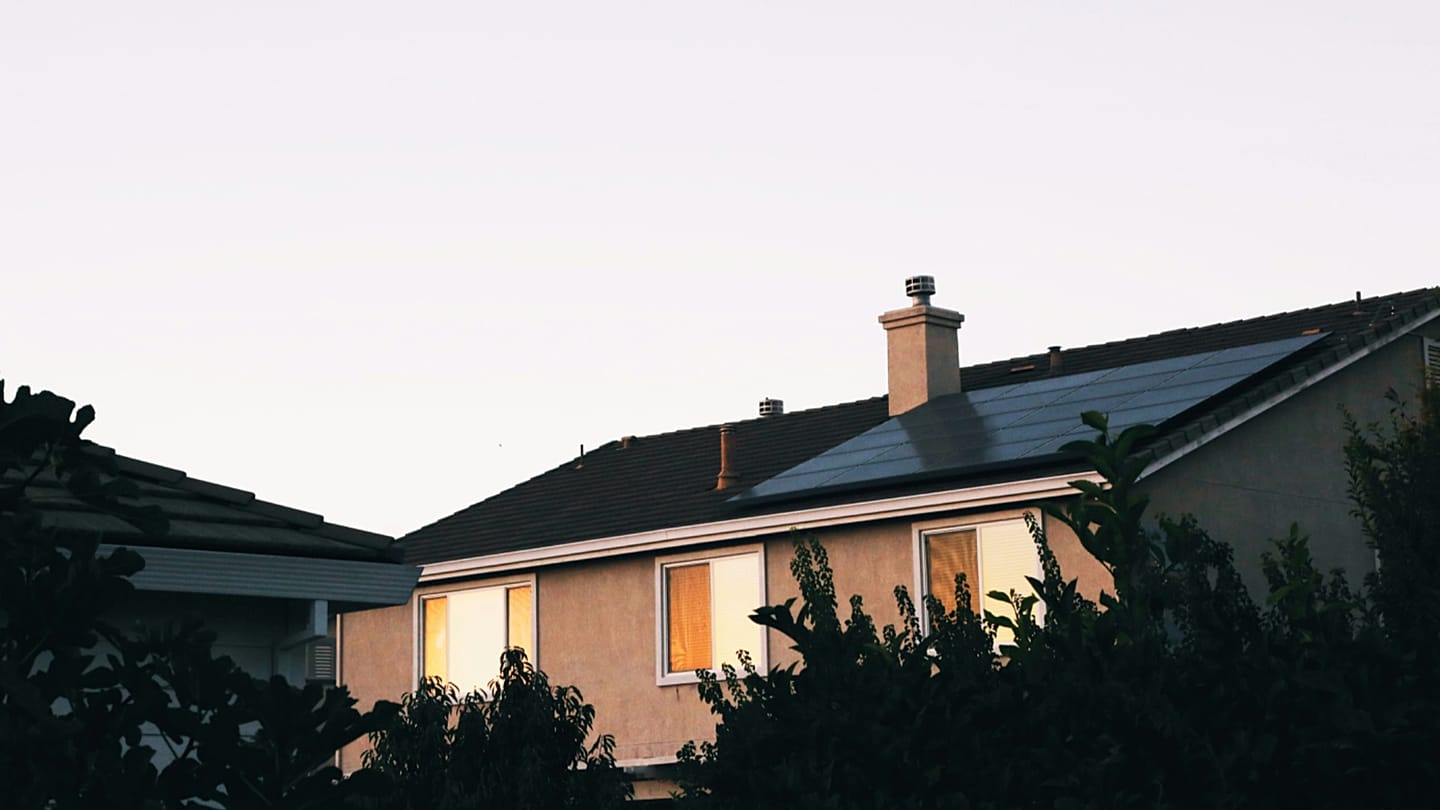
Yet experts caution that plug-in solar is not a direct replacement for rooftop systems. A typical rooftop installation in Europe generates between 3 and 10 kilowatts of power, enough to cover a significant portion of a household’s annual electricity consumption. A plug-in system, by contrast, usually produces only 300 to 800 watts—enough to power a refrigerator and a few lights, but not a home’s full demand.
Moreover, plug-in panels are often less efficient due to suboptimal placement. While rooftop panels are angled for maximum sun exposure, balcony systems may be shaded, vertical, or oriented away from the sun. “You’re trading convenience for performance,” notes Müller. “A plug-in system might offset 10 to 20 percent of your bill, whereas a well-designed rooftop array can cover 50 percent or more.”
There are also grid stability issues. In some countries, plug-in systems are not subject to the same metering and safety standards as rooftop installations. Without proper regulation, they can feed electricity back into the grid in ways that may cause voltage fluctuations or pose risks to utility workers. Broadband costs across the EU vary widely, and similar disparities exist in how member states handle plug-in solar.
Regulatory patchwork
European Union member states have taken divergent approaches. Germany has led the way with simplified registration and technical standards, including a requirement that plug-in systems use inverters that automatically shut off in case of grid failure. France and Austria have followed suit, while Italy and Spain are still developing frameworks. In the UK, which left the EU in 2020, plug-in solar remains largely unregulated, raising safety concerns.
The European Commission has signaled interest in harmonizing rules, but progress is slow. Meanwhile, consumer groups are calling for clearer labeling and installation guidelines. “We need a Europe-wide standard that ensures safety without stifling innovation,” says Elena Rossi, a policy advisor at the European Consumer Organisation (BEUC).
Environmental and economic impact
Despite their limitations, plug-in solar panels can play a meaningful role in reducing Europe’s reliance on fossil fuels. Solar saved Europe €12.8 billion since the Iran war began, and Spain leads the renewables race. Even small contributions from millions of households add up. The German Solar Industry Association estimates that if every suitable balcony in Germany were equipped with panels, the combined capacity could reach 4 gigawatts—equivalent to two large coal-fired power plants.
However, the “rebound effect” is a concern. As households save on electricity, they may increase consumption—buying more appliances or running air conditioning more freely—potentially offsetting some of the environmental gains. “Energy efficiency alone isn’t enough,” warns Müller. “We need to pair it with behavioral change and smart grid technologies.”
Looking ahead
Plug-in solar is likely here to stay, especially as battery storage becomes cheaper and more compact. Some manufacturers are already offering integrated battery systems that store excess daytime power for evening use, making plug-in setups more versatile. In cities like Vienna and Amsterdam, local governments are subsidizing balcony solar as part of broader climate action plans.
For now, the choice between plug-in and rooftop solar depends on individual circumstances. Renters, apartment dwellers, and those with limited budgets may find plug-in systems an ideal entry point. Homeowners with suitable roofs and long-term horizons are better served by traditional installations. As the European energy transition accelerates, both technologies have a role to play—provided they are deployed thoughtfully and regulated effectively.