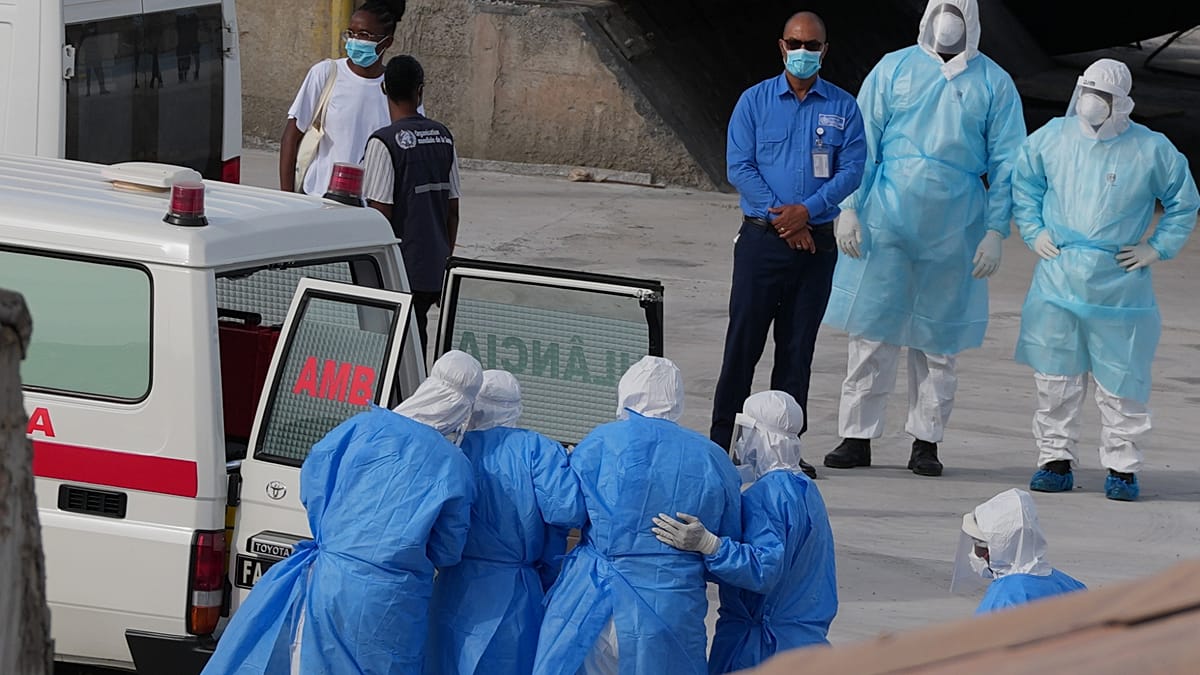
Russian authorities are investigating the death of a laboratory worker in Siberia from pneumonia of unknown origin. Unconfirmed reports have suggested the cause may have been pneumonic plague, a rare and severe form of the bacterial disease. The case has prompted local quarantine measures and raised questions about the potential for wider spread.
Infectious disease specialists, however, are urging calm. They point out that pneumonic plague is not easily transmitted and can be effectively treated with antibiotics if caught early.
What experts say about transmission
Dr Glenn Wortmann, an infectious disease specialist at MedStar Washington Hospital Center in the United States, told European Pulse that the disease is not highly contagious. "Pneumonic plague is transmitted through respiratory droplets, but those droplets don't travel far," he explained. "Transmission generally requires close, face-to-face contact with an infected person."
Wortmann added that the likelihood of the disease spreading widely in Russia or reaching other countries is very low. "This is not like measles or COVID-19," he said. "It's a different transmission profile."
Simon Clarke, an infectious disease expert at the University of Reading in the UK, echoed that assessment. He advised that people who may have been in close contact with the deceased should self-isolate and take preventive antibiotics. "The key is to identify and treat contacts quickly," Clarke said.
Clarke also stressed that plague is not merely a historical curiosity. Although often associated with the Black Death of the Middle Ages, the bacterium Yersinia pestis still circulates among wild rodents in parts of the world, including Central Asia and parts of Russia. "People think the plague is gone," he said. "It's not. It's here amongst us."
The case has drawn attention beyond Siberia. The European Union is reportedly tracking the situation, as officials monitor the suspected case. Meanwhile, local authorities have imposed a quarantine in the affected area, though they deny any outbreak.
For Europeans, the episode is a reminder of the continent's interconnectedness with Russia, particularly in the realm of public health. While the risk of a major outbreak is minimal, the incident underscores the importance of surveillance and rapid response.
Experts also note that the plague remains a concern in regions where healthcare access is limited. "In remote areas, early diagnosis and treatment are critical," said Wortmann. "But in a modern healthcare setting, the mortality rate is very low."
As the investigation continues, Russian authorities have not confirmed the cause of death. The World Health Organization has not issued any travel advisories related to the case.
For now, the consensus among experts is clear: the risk to the general public is minimal, and the disease is manageable with existing medical tools. The focus should remain on identifying contacts and ensuring they receive timely prophylaxis.