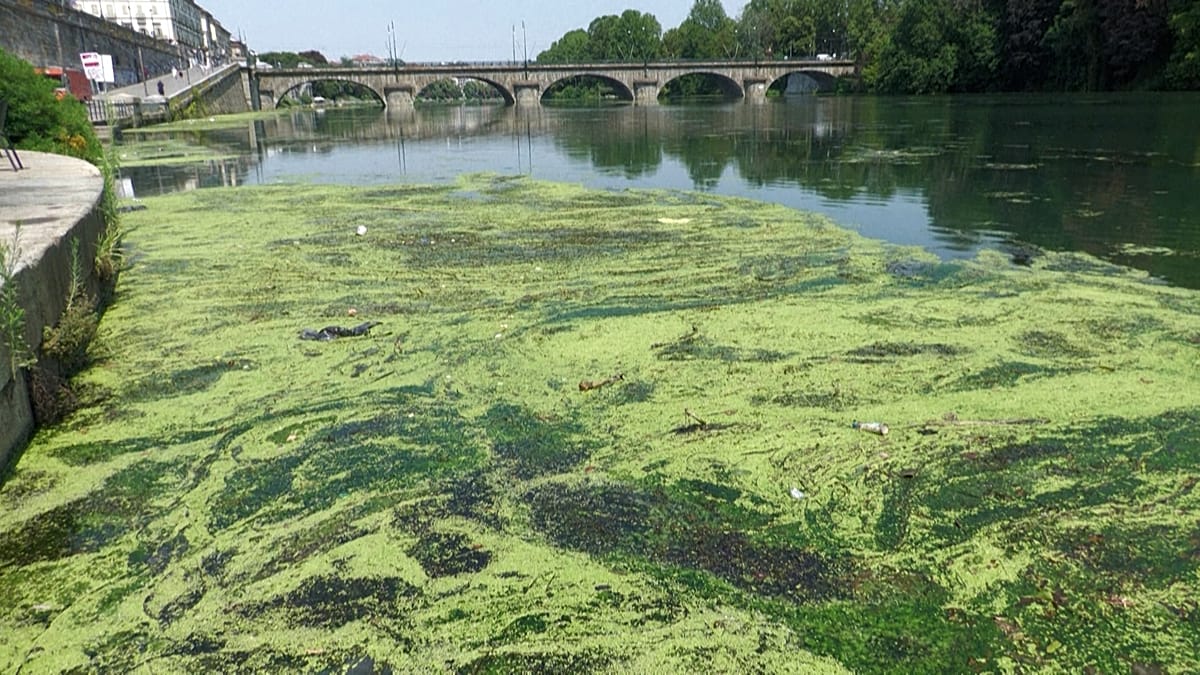
Italian authorities have ramped up efforts to clear a thick layer of algae from the River Po in Turin, as weeks of unusually high temperatures have accelerated the bloom along the country's longest river. The green carpet of vegetation now stretches across significant sections of the waterway, hampering boat traffic and raising concerns about ecosystem health.
The algae, primarily Cladophora, thrives in warm, nutrient-rich water. Recent heatwaves across northern Italy, with temperatures frequently exceeding 35°C in cities like Milan and Bologna, have created ideal conditions for its rapid expansion. The Po, which flows from the Alps to the Adriatic Sea, is a vital artery for agriculture and industry in the Po Valley, one of Europe's most productive regions.
Navigability and Economic Impact
The bloom has severely restricted navigation on the Po near Turin, a city of 850,000. Local authorities have deployed specialized boats equipped with skimmers and nets to remove the algae, but the task is daunting. The Italian government has allocated additional funds to support the cleanup, though officials warn that without a sustained drop in temperatures, the problem may persist.
This disruption comes as Italy's tourism sector is experiencing a post-pandemic surge, with regions like Calabria and Sardinia seeing record visitor numbers. However, the Po's navigability issues could affect river tourism and freight transport, which rely on the waterway for moving goods between the interior and the coast. The situation echoes challenges faced by other European rivers, such as the Seine in Paris, where authorities have invested heavily in water quality improvements ahead of major events.
Environmental groups have linked the algae bloom to broader climate trends. “This is not an isolated event,” said a spokesperson for Legambiente, an Italian environmental organization. “Rising water temperatures and agricultural runoff are creating a perfect storm for algal blooms across Europe.” The Po basin is heavily farmed, with fertilizers and animal waste contributing to nutrient pollution that feeds the algae.
Broader European Context
The Po's plight is part of a wider pattern of heat-related waterway stress across Europe. In Switzerland, for example, solar panels installed along railway tracks have helped reduce heat absorption, but such innovations are not yet widespread. Italy is exploring similar solar railway projects, though they do little to address immediate water quality issues.
Meanwhile, the Italian government faces multiple environmental challenges. In Calabria, a region already grappling with economic hardship, the presence of Cuban doctors has drawn international attention, but local environmental problems, including water management, remain pressing. The algae bloom in the Po adds to a list of climate-related concerns that include drought, wildfires, and declining biodiversity.
Scientists warn that without significant reductions in greenhouse gas emissions and better management of agricultural runoff, such blooms will become more frequent. The Po River, which supplies water to millions of people and irrigates vast farmlands, is a bellwether for the health of European waterways.
As cleanup operations continue, residents of Turin and downstream communities are watching closely. The river, a source of pride and livelihood, is struggling under the weight of a changing climate. Whether Italy can restore its navigability and ecological balance remains an open question.