Nearly two millennia after Mount Vesuvius buried Pompeii in ash, one of the ancient city's most opulent residences is undergoing a meticulous restoration. The House of Marcus Fabius Rufus, a sprawling four-storey structure believed to have belonged to a wealthy Roman magistrate, is the focus of a €1.46 million conservation effort to safeguard its intricate frescoes and decorated rooms.
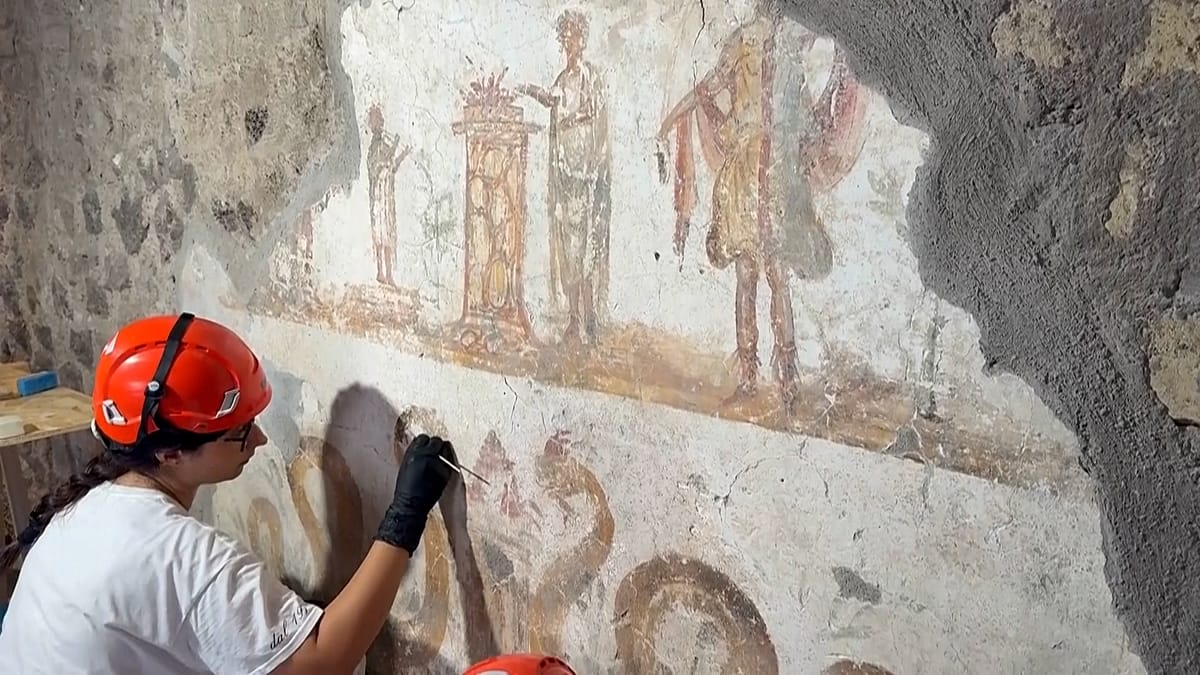
The project follows a phase of structural stabilisation and excavation carried out between 2021 and 2023. Now, restorers are turning their attention to the delicate wall paintings that have survived the centuries, many of which remain remarkably vivid despite the catastrophic eruption of 79 AD.
A window into Roman luxury
Located in the heart of Pompeii's archaeological park, the house stands out for its sheer scale and architectural ambition. Its four storeys were unusual for the city, suggesting the owner commanded significant wealth and status. The frescoes depict mythological scenes, floral motifs, and architectural illusions, offering a glimpse into the aesthetic tastes of Pompeii's elite.
Restoration work involves cleaning the surfaces, consolidating flaking pigment, and repairing damage caused by centuries of exposure and previous excavation attempts. The team is also documenting each painting in high resolution, creating a digital archive that will aid future conservation and research.
Pompeii's broader restoration efforts have drawn international attention in recent years. The site, a UNESCO World Heritage destination, has seen a surge of investment and new discoveries, including live reenactments of gladiator combat and Roman rituals during European Heritage Days. Such events aim to connect modern visitors with the daily life of the ancient city.
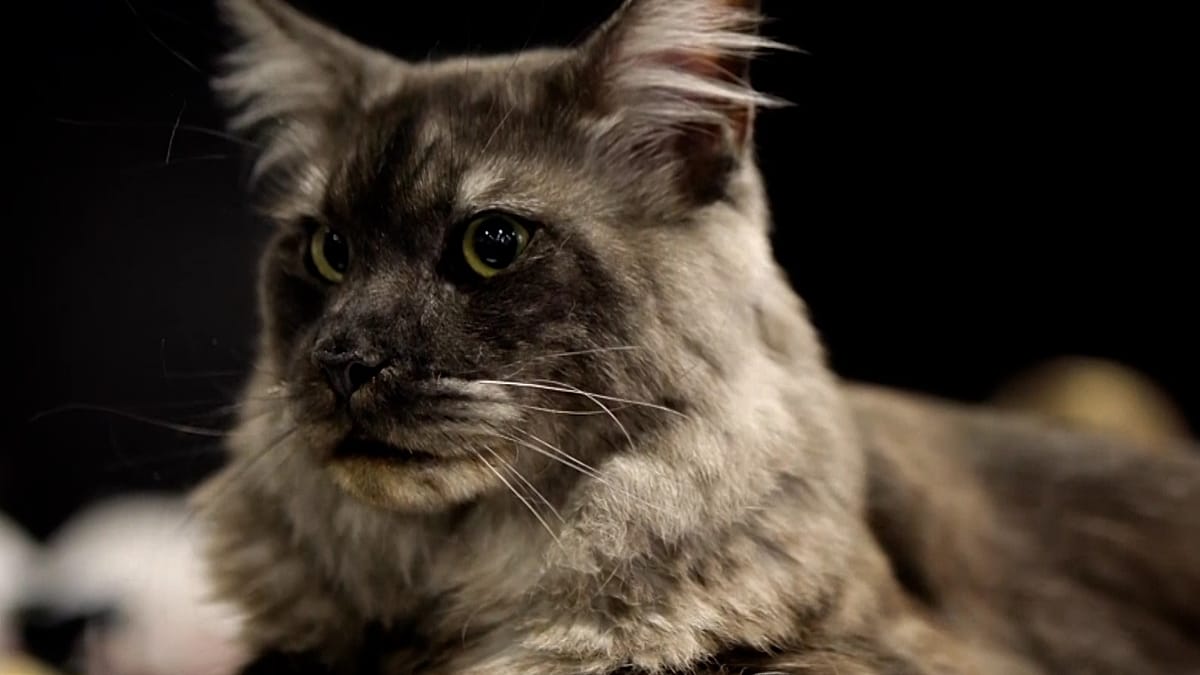
The House of Marcus Fabius Rufus is not the only structure benefiting from renewed focus. Earlier this year, a separate project highlighted the role of Pompeii's feline residents, whose images have become a charming side note to the site's archaeological narrative.
Conservationists emphasise that the work is painstaking and slow by design. "Every brushstroke matters," said one restorer on site. "We are not just preserving paint; we are preserving the memory of a society that vanished in an instant."
The €1.46 million budget covers materials, specialised labour, and scaffolding, as well as the installation of climate-control measures to protect the frescoes from humidity and temperature fluctuations. The project is expected to take several years, with parts of the house remaining open to visitors during the work.
Pompeii's archaeological park has become a model for heritage management in Europe, balancing conservation with public access. The site attracts millions of tourists annually, and the restoration of its grandest homes is seen as crucial to maintaining its appeal and historical integrity.
For now, the House of Marcus Fabius Rufus stands as a testament to both Roman artistry and modern dedication. As the restorers work their way through its halls, they are ensuring that the echoes of Pompeii's past remain visible for generations to come.