Portugal's technology sector is enjoying a landmark year for capital inflows. According to the State of European Tech 2026 report by Atomico, the country is on track to attract $910 million in venture capital investment this year—a 187% increase from the $320 million recorded in 2025. That performance lifts Portugal from 14th to 10th place among European nations by tech investment volume.
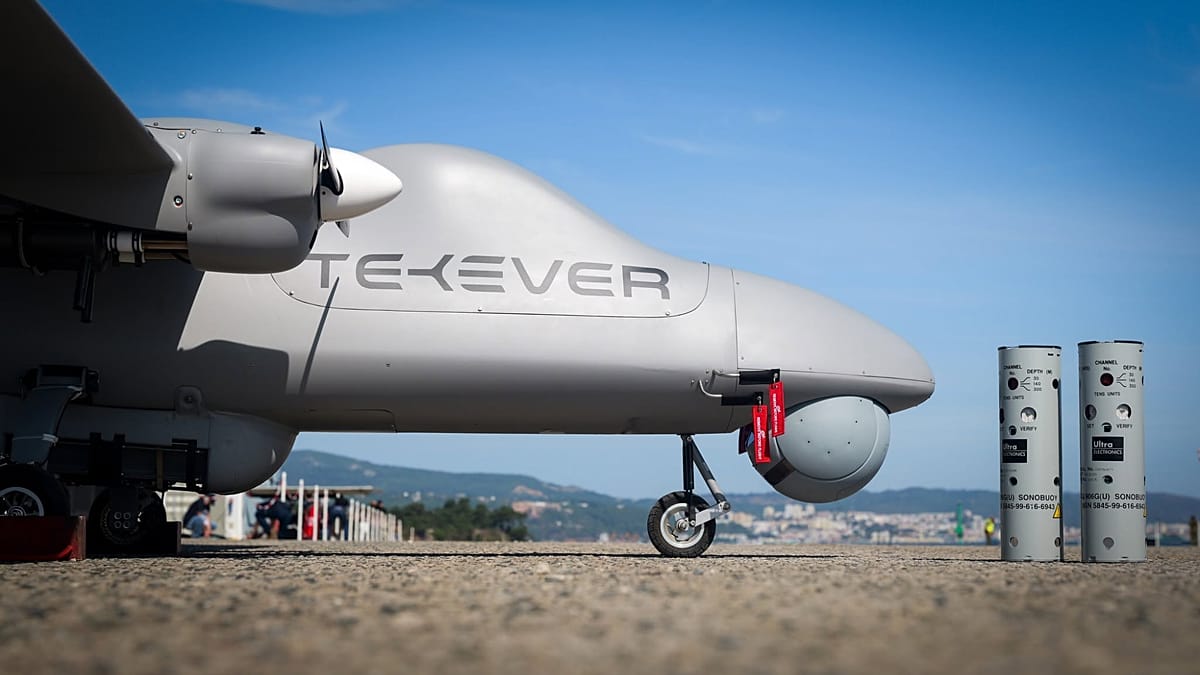
The main catalyst is Tekever, a Lisbon-based company specialising in autonomous systems and artificial intelligence for defence applications. In September 2026, Tekever closed a funding round worth $580 million, one of the largest ever for a Portuguese tech firm. The deal underscores growing investor confidence in domestic companies operating in strategic sectors, particularly defence.
A broader European recovery
Portugal's rise mirrors a wider rebound across the continent. Atomico projects that European tech investment will reach $81 billion in 2026, a 62% increase year-on-year and the second-highest annual total on record, behind only the $94 billion raised in 2021. The recovery is broad-based, but it comes with a caveat: capital is increasingly concentrated in a smaller number of large deals.
Since 2021, the number of early-stage funding rounds (pre-Series A) has fallen by nearly 30%, while combined Series A and Series B rounds dropped by 19% over the same period. The 2026 data, which includes extrapolations for the full year, suggest further declines. This trend points to a maturing ecosystem where investors favour scale-ups over nascent startups.
Tech as Europe's job engine
Despite the concentration, the sector's role in employment is expanding. Europe is expected to see a record 40,000 new tech founders in 2026—36% more than in 2025 and 80% more than in 2024. Notably, 29% of the world's new tech founders are based in Europe, slightly ahead of the United States at 28%.
The overall value of Europe's tech ecosystem has grown every year since 2017, except for a dip in 2022, and now stands at $4.4 trillion. Over the past decade, technology has been the continent's biggest job creator, adding about 6% more jobs annually. Since 2016, tech employment has risen by 62%, while non-tech jobs grew by just 11%. The vast majority—81%—of these roles are at companies headquartered in Europe, according to Atomico.
The AI investment gap
European investment in artificial intelligence and computing has more than doubled in 2026, reaching $20 billion, up from $9.5 billion the previous year. Yet the gap with the United States has widened. Atomico notes that US investment in AI over just nine months this year exceeded all the capital Europe has deployed in the sector over the past decade.
A significant share of global AI funding is captured by a handful of firms—OpenAI and Anthropic together account for 61% of worldwide investment. The report attributes this disparity not only to the size of the US market but also to its ability to mobilise capital for large-scale infrastructure projects, particularly computing capacity.
European private capital markets still lack the depth to finance such mega-deals, forcing companies and institutions to make strategic choices about where to compete. The challenge, Atomico argues, is to develop funding sources that can match Europe's technological ambitions and allow its companies to scale globally.
Portugal's leap into the top ten is a positive sign, but it also highlights the uneven nature of the recovery. While the country benefits from a single large transaction, the underlying trend of capital concentration raises questions about the sustainability of growth across the continent. As France's recent investment push shows, governments are keen to attract capital, but the structural issues remain.
For now, Portugal's tech scene is celebrating a milestone. The question is whether the momentum can be sustained beyond a single funding round, and whether the rest of Europe can close the gap with the US in the race for AI dominance.