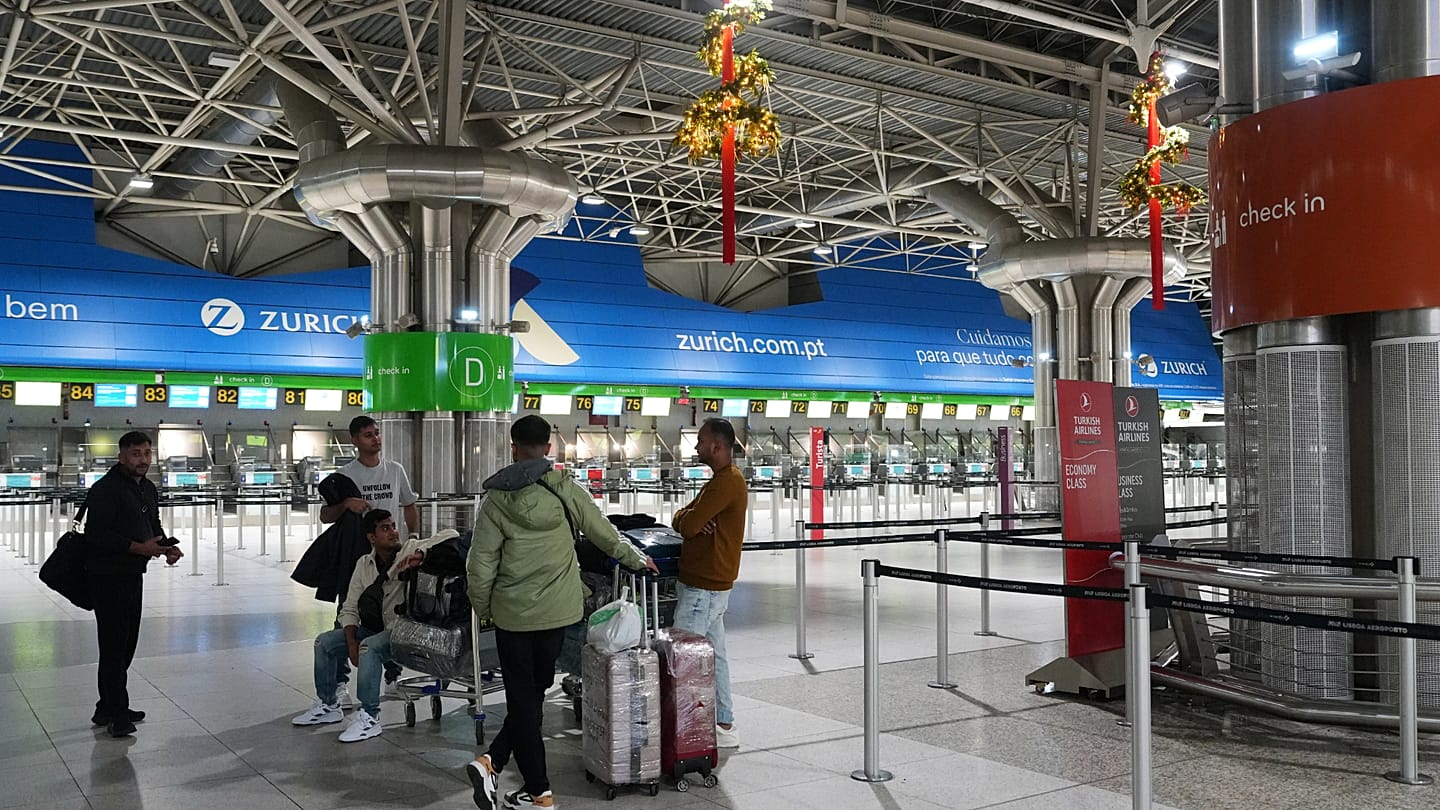
Portugal is reinforcing border control at Lisbon's Humberto Delgado Airport with 48 additional police officers starting Friday, as the airport struggles with lengthy queues that have frustrated travellers and raised concerns about the country's readiness for the European Union's new digital border system.
The move comes after weeks of mounting criticism over waiting times at passport checks, which have been exacerbated by the phased introduction of the Entry/Exit System (EES), a bloc-wide initiative designed to register non-EU travellers' entries and exits electronically. While the system aims to enhance security and streamline border management, its implementation has caused significant bottlenecks at several European airports, with Lisbon among the hardest hit.
Operational Strain at a Key European Hub
Lisbon airport, a major gateway for transatlantic and intra-European travel, has seen passenger numbers surge in recent months. The combination of increased traffic and the new biometric checks has overwhelmed existing staff, leading to reports of waits exceeding two hours during peak periods. The Portuguese government has acknowledged the problem, with the Interior Ministry stating that the additional officers will be deployed to "ensure the fluidity and security of border control operations."
The deployment is part of a broader effort to modernise infrastructure and staffing at the airport, which has long been criticised for its capacity constraints. Similar challenges have been observed at other European hubs, such as Frankfurt Airport, where technical glitches with new transport systems have compounded operational issues.
EES Rollout: A European Challenge
The EES, which replaces manual passport stamping with an automated system that records biometric data, is being rolled out across all Schengen Area member states. While the system is intended to improve border security and provide more accurate data on overstays, its introduction has been uneven. Airports in countries like France, Germany, and the Netherlands have also reported delays, though Portugal's struggles have been particularly acute due to Lisbon's role as a primary entry point for tourists and business travellers from outside the EU.
The Portuguese authorities have been working with the European Commission to address the teething problems, but critics argue that the government was slow to anticipate the scale of the disruption. The additional officers are expected to help, but some travel industry representatives warn that more structural changes—such as increasing the number of e-gates and improving staff training—are needed to prevent a repeat of the chaos during the summer peak season.
Broader Context: Security and Efficiency
The deployment also reflects a wider trend across Europe of bolstering border security in response to both technological changes and geopolitical pressures. In recent months, Portuguese police have been active in other high-profile operations, highlighting the force's capacity to handle multiple priorities. However, the Lisbon airport situation underscores the delicate balance between security and efficiency that EU member states must strike as they implement new systems.
For now, passengers flying into Lisbon can expect a smoother experience from Friday, but the underlying issues with the EES rollout are likely to persist until the system is fully operational and staff are adequately trained. The Portuguese government has pledged to continue monitoring the situation and to allocate further resources if necessary.