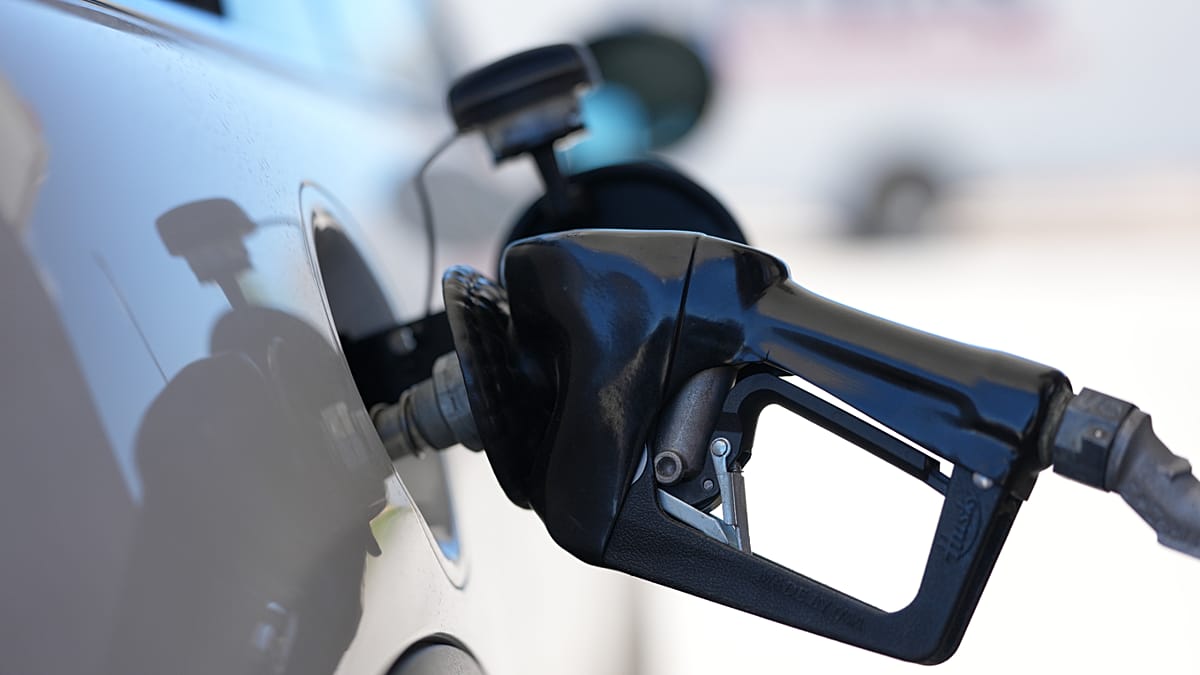
Portuguese motorists are set to receive a welcome reprieve next week as fuel prices are forecast to fall sharply. According to the Automobile Club of Portugal (ACP), diesel prices are expected to drop by around 12 cents per litre, while petrol is projected to decrease by 12.5 cents. The new prices are slated to take effect from Monday, 10 August.
If the forecasts hold, the average price of diesel will decline to €1.931 per litre, while 95-octane unleaded petrol will retreat to €1.855 per litre. These figures are based on crude oil prices at Thursday's market close, the ACP noted, and could still shift if there are fluctuations in crude and fuel prices before the end of Friday.
The anticipated reductions come after a period of elevated costs. As of this Friday, regular diesel was priced at €2.051 per litre, with 95-octane petrol at €1.980 per litre, according to the Directorate-General for Energy and Geology (DGEG). These daily averages are calculated from prices reported by filling stations, weighted by the quantities sold in the latest period for which data is available, and incorporate discounts applied at forecourts, such as fleet cards.
Prices at the pump can vary from station to station, as Portugal's fuel market is liberalised and pricing policies are set by individual operators. The government has also been intervening to cushion the impact of volatile global oil prices. Since the outbreak of the Middle East conflict, Lisbon has committed to applying an extraordinary and temporary cut in the ISP fuel tax whenever pump prices rise by more than 10 cents, a measure that has been renewed in recent weeks. It is expected that the government will adjust the ISP discount again, which could influence the final prices from Monday.
Global context: Middle East tensions and oil markets
The sharp swings in fuel prices are largely a consequence of the ongoing war in the Middle East, involving the US, Israel, and Iran. The conflict has led to a blockade of the Strait of Hormuz, a critical chokepoint through which about 20% of the world's oil and natural gas flows. This has caused major volatility in global energy markets, with oil prices rebounding and falling in response to developments in the region. The recent drop in prices is partly attributed to easing tensions and increased output from OPEC+.
For Portugal, the relief at the pump is a significant development, especially as the country has been grappling with broader economic pressures. The growth of renewable energy has been a bright spot, but fuel costs remain a sensitive issue for households and businesses alike.
The ACP's forecast is based on average values and may be subject to change, but the trend is clear: Portuguese drivers can expect to pay less for fuel next week. The government's tax adjustment mechanism is designed to smooth out the impact of oil price spikes, and it appears to be working as intended.
While the immediate outlook is positive, the situation remains fluid. The Hormuz crisis has demonstrated how quickly prices can surge, and any escalation in the conflict could reverse the current downward trend. For now, however, the forecast offers a measure of relief for consumers who have been feeling the pinch at the pumps.