Portugal is bracing for a severe heatwave that has prompted the country's meteorological institute, IPMA, to issue red warnings for 12 of its 18 mainland districts. The alert, the highest on the scale, signals a "meteorological situation of extreme risk" and will remain in effect from Thursday through at least Saturday, with forecasts suggesting the heat could persist for a week.
The red warning covers Aveiro, Beja, Braga, Coimbra, Évora, Leiria, Lisbon, Portalegre, Porto, Santarém, Setúbal, and Viana do Castelo. The remaining six districts—Bragança, Castelo Branco, Faro, Guarda, Vila Real, and Viseu—are under orange warnings, the second-highest level, indicating moderate to high risk.
IPMA predicts maximum temperatures between 35°C and 41°C across most of the country, with the Tagus valley and Alentejo region potentially reaching 41°C to 44°C. Nighttime temperatures will remain above 20°C in many areas, with some regions, including Greater Lisbon, experiencing "tropical nights" where temperatures do not fall below 24°C to 28°C for several consecutive nights.
The institute noted that the situation is particularly unusual for coastal regions, where the sea breeze is failing to push inland, leading to prolonged high temperatures. "This makes for a rare situation in some areas," IPMA stated. The heatwave is being driven by an anticyclone located north-northwest of the Azores archipelago.
Government Declares State of Alert
In response to the extreme conditions, the Portuguese government declared a state of alert starting at midnight on Friday. Minister for Internal Administration Luís Neves announced the measure on Thursday, which includes a ban on access to and movement within predefined forest areas, as well as prohibitions on controlled burning and the burning of agricultural waste. The use of machinery in forest areas is also restricted, except for firefighting efforts.
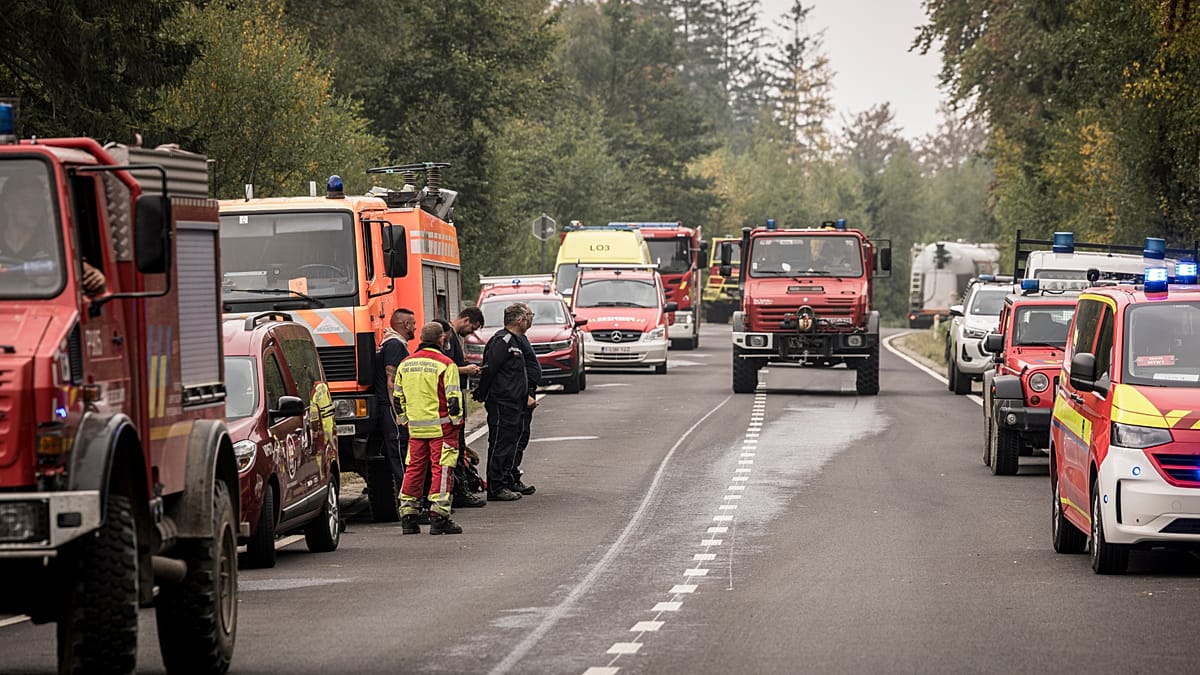
This alert comes as Portugal faces heightened wildfire risks. The country has already deployed over 1,000 firefighters to combat blazes sparked by earlier heatwaves, as reported in Portugal Deploys Over 1,000 Firefighters as Heatwave Sparks Wildfires. The current heatwave is expected to exacerbate these dangers.
IPMA has also warned of very high to extreme ultraviolet (UV) index values across the mainland, with readings of 10 to 11—the latter classified as extreme. Authorities advise avoiding sun exposure between 11:00 and 17:00, and recommend wearing sunglasses with UV filters, hats, T-shirts, and sunscreen.
Health Risks and Precautions
The heatwave poses significant health risks, particularly for vulnerable groups such as children, the elderly, people with chronic illnesses, pregnant women, and outdoor workers. The WHO Europe chief has urged governments to treat extreme heat as a health emergency, as highlighted in WHO Europe Chief Urges Governments to Treat Extreme Heat as a Health Emergency.
Authorities recommend drinking at least 1.5 liters of water daily and avoiding alcohol and caffeine. Staying in cool, air-conditioned environments, keeping windows and blinds closed during the hottest periods, and wearing light-colored, loose clothing are also advised. Outdoor activities requiring intense physical effort should be avoided, and car travel should be limited to cooler times of day. In case of emergency symptoms such as profuse sweating, fever, vomiting, or a rapid pulse, individuals should contact SNS 24 at 808 24 24 24 or call the European emergency number 112.
This heatwave is part of a broader pattern of extreme weather across Europe. The Copernicus Climate Change Service has warned of "extremely unusual" heatwaves with no relief in sight, as noted in Copernicus Warns of 'Extremely Unusual' Heatwaves Across Europe With No Relief in Sight. Meanwhile, MEPs have clashed over Europe's heatwave response, with the Green Deal under fire, as reported in MEPs Clash Over Europe's Heatwave Response: Green Deal Under Fire.
As Portugal endures this extreme heat, the focus remains on protecting public health and preventing wildfires. The situation underscores the growing challenges posed by climate change across the continent.