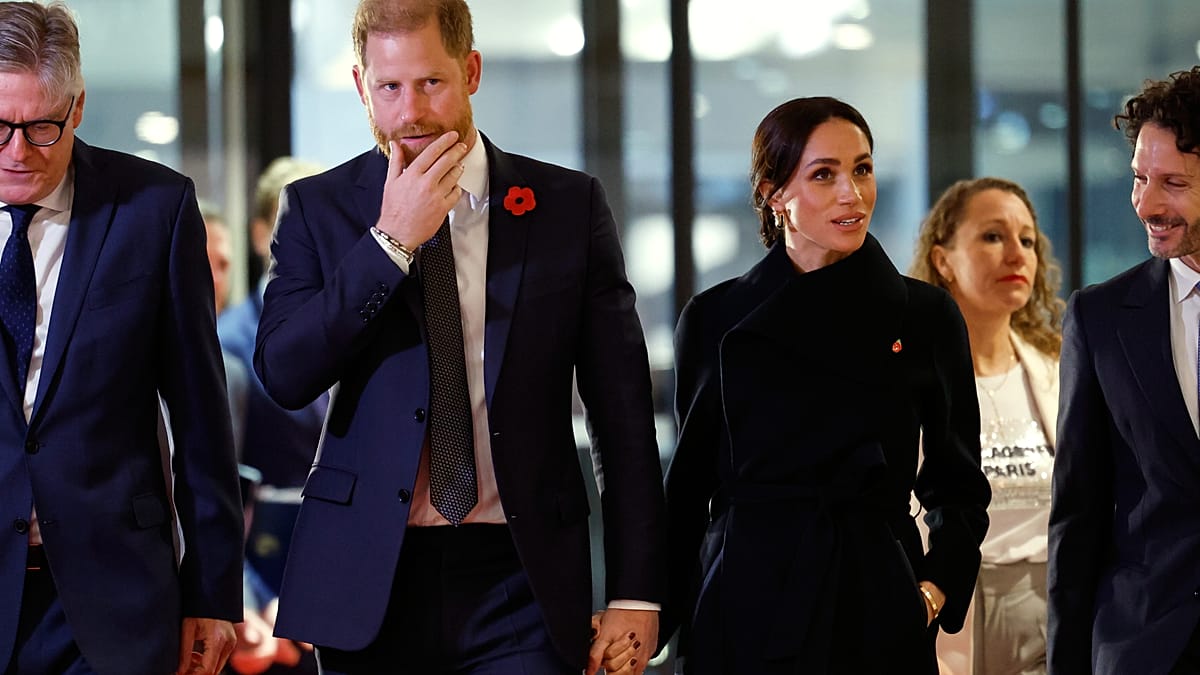
On Tuesday, 10 November, the Duke and Duchess of Sussex, Prince Harry and Meghan, made a notable appearance at the European Parliament in Brussels. Their visit centered on a pressing issue: the dangers children face in the digital world. The couple engaged with families who have been directly affected by online abuse, listening to their experiences before Harry addressed the assembled audience.
The visit underscores a growing transatlantic convergence on child safety online, with European policymakers increasingly looking to hold tech giants accountable. The European Union has been at the forefront of regulatory efforts, notably through the Digital Services Act, which imposes stricter obligations on platforms to protect minors. The Sussexes' presence adds a high-profile voice to these efforts, aligning with their advocacy work through the Archewell Foundation.
A personal dimension
For Harry, the issue is deeply personal. He has spoken publicly about his own concerns for his children, Archie and Lilibet, and the broader generation growing up in an era of unfettered digital access. In his remarks, he emphasized the moral imperative to shield young people from harmful content, from cyberbullying to exploitation. Meghan echoed these sentiments, highlighting the emotional toll on families and the need for systemic change rather than individual vigilance alone.
The couple's engagement in Brussels reflects a broader trend of celebrities and royals leveraging their platforms to influence policy. Their visit comes amid growing EU momentum to hold social media firms accountable for child safety, a push that has gained traction in recent months. The European Commission has proposed measures to improve age verification and content moderation, though implementation remains uneven across member states.
Belgium, as the host country, has been a vocal advocate for stronger protections. Brussels, often dubbed the capital of Europe, provided a fitting backdrop for the discussion, with MEPs from various political groups attending the event. The meeting also included representatives from child safety NGOs, who stressed the need for cross-border cooperation, as online threats rarely respect national boundaries.
Policy implications
The visit comes at a critical juncture for EU digital policy. The bloc is currently negotiating the final details of the Digital Services Act, which includes provisions specifically aimed at protecting minors. These range from banning targeted advertising to requiring platforms to conduct risk assessments for their services. The Sussexes' advocacy could lend public support to these efforts, though critics argue that celebrity endorsements have limited impact on legislative processes.
Nevertheless, the emotional weight of the testimonies shared during the visit was palpable. Families recounted harrowing stories of online grooming, harassment, and the lasting psychological scars on their children. Harry's speech, delivered in a measured tone, called for a collective response, urging policymakers to prioritize child safety over corporate interests. He referenced the recent calls by French President Emmanuel Macron for AI bans to protect children's mental health, suggesting that such bold measures should be considered at the EU level.
The couple's itinerary in Brussels also included private meetings with EU officials, though details were not disclosed. Their visit was part of a broader European tour, which has included stops in other capitals to discuss similar issues. The timing is notable, as the EU is preparing to mark the 25th anniversary of the Safer Internet Programme, a key initiative in this field.
While the Sussexes' influence on EU policy remains to be seen, their presence has certainly amplified the conversation. For many observers, the visit was a reminder that child safety online is not a niche concern but a fundamental rights issue. As the digital landscape evolves, with new threats emerging from AI-generated content and deepfakes, the need for robust safeguards has never been more urgent.
In the coming months, the European Parliament will vote on the final text of the Digital Services Act. The outcome will determine whether the EU leads the world in protecting children online or falls short of its stated ambitions. The Sussexes' visit may have been symbolic, but it underscored the human stakes behind the legislative jargon.