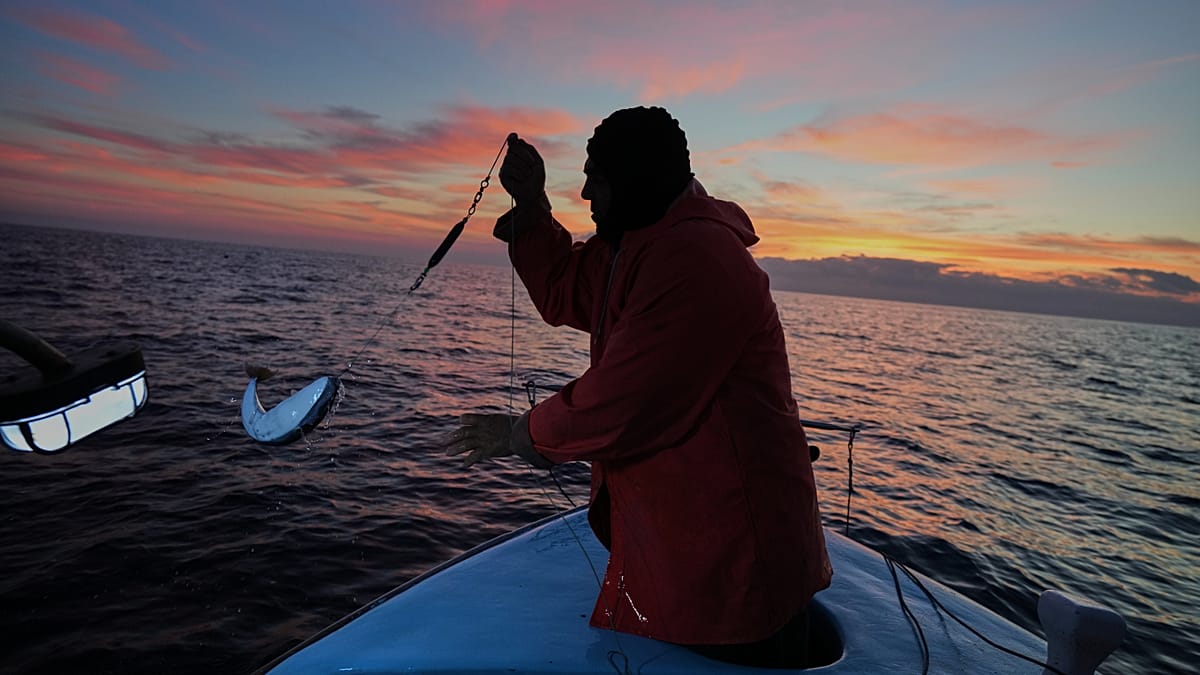
Professional fishermen on the island of Crete are facing a deepening crisis as invasive pufferfish, which entered the Mediterranean via the Suez Canal, continue to inflict severe damage on marine biodiversity and their livelihoods. The problem, which also plagues Cyprus and other Mediterranean nations, has become particularly acute in Greek waters, where the species Lagocephalus sceleratus has proliferated unchecked.
These poisonous, omnivorous fish possess extraordinarily powerful jaws capable of shredding fishing nets, ropes, and other gear. Alexis Charalampakis, a local fisherman, described the toll: “They ate the fish and cut through the rope. Look at the damage – the gear is useless. After just five days of use I have to throw it away and buy new nets.” His colleague Giannis Giankakis added that the species is exceptionally resilient: “It eats anything it finds in its path and does not seem to be threatened by anything, as it has no natural predators among other fish.”
Economic and Ecological Fallout
The impact extends beyond damaged equipment. Lambis Atzarakis noted that populations of commercial fish have plummeted. “The sea is full of lionfish, pufferfish and cornetfish – all alien species. Not a single good fish has come through the Suez, only problems,” he lamented. According to marine biologist Nota Peristeraki of the Hellenic Centre for Marine Research (HCMR), the financial losses are measurable: “Our studies show that the species Lagocephalus sceleratus has a significant effect on fishers, particularly those engaged in coastal fishing. We estimate that losses amount on average to around €8,500 a year for each fishing vessel.”
Greek fishers are now calling on the state to immediately introduce a subsidy scheme for catching and removing pufferfish, aiming to reduce their numbers and limit the sector's financial losses. The request echoes similar concerns across the Mediterranean, where invasive species from the Suez Canal have disrupted local ecosystems and economies.
Deadly Toxin and Scientific Solutions
Pufferfish carry tetrodotoxin, a potent neurotoxin found in their organs. Thekla Anastasiou, a marine biologist, warned: “Ingesting it can cause heart failure and paralysis of the respiratory system. Particular care is required in its handling and consumption.” First recorded in Greece in 2005, in Crete and the Dodecanese islands, the fish have since spread across the country, posing a public health risk.
Researchers are exploring ways to neutralize the toxin to give the species some economic value. Chemist Manolis Mandalakis explained that studies have already been conducted on removing tetrodotoxin from pufferfish, allowing their biomass to be used safely in low-risk applications such as fertilisers and compost. This could transform a destructive pest into a resource, though the immediate priority remains curbing its spread.
The crisis highlights broader challenges for European fisheries, which are already grappling with issues like fuel costs and aging workforces, as noted in Europe's Road Freight Industry Grapples with Fuel Costs and Aging Workforce. Meanwhile, Crete's reputation as a top global dining destination, recently recognized by National Geographic, may be threatened if local fish stocks continue to decline.