When supermarket shelves run bare, consumers notice. But the vast logistics network that keeps Europe stocked with everything from fresh produce to industrial components operates largely out of sight. Road freight alone carries roughly 80% of the continent's inland freight and contributes about 3.75% to the EU27's total GDP—a figure that underscores its quiet centrality.
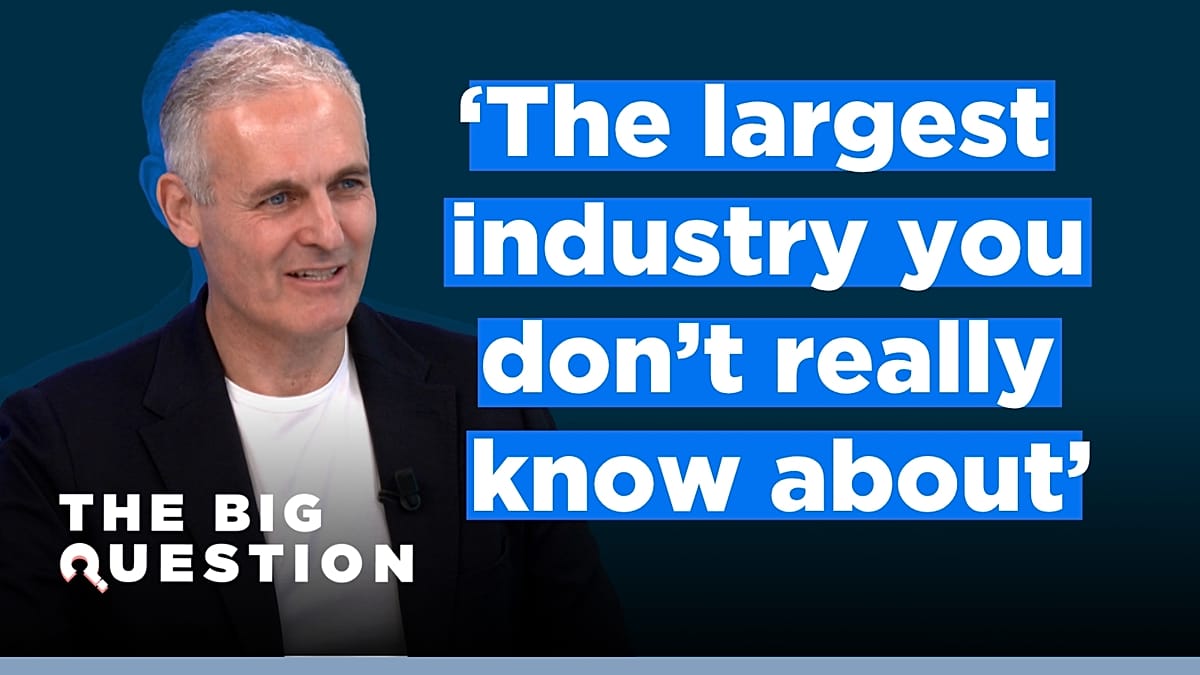
Lyall Cresswell, founder and CEO of the Transport Exchange Group (TEG), which connects over 10,000 businesses and expects to manage around 3 million loads across Europe this year, describes road freight as "probably the largest industry that you don't really know that much about." Speaking on The Big Question, he outlined the sector's mounting pressures.
Fuel Costs Squeeze Thin Margins
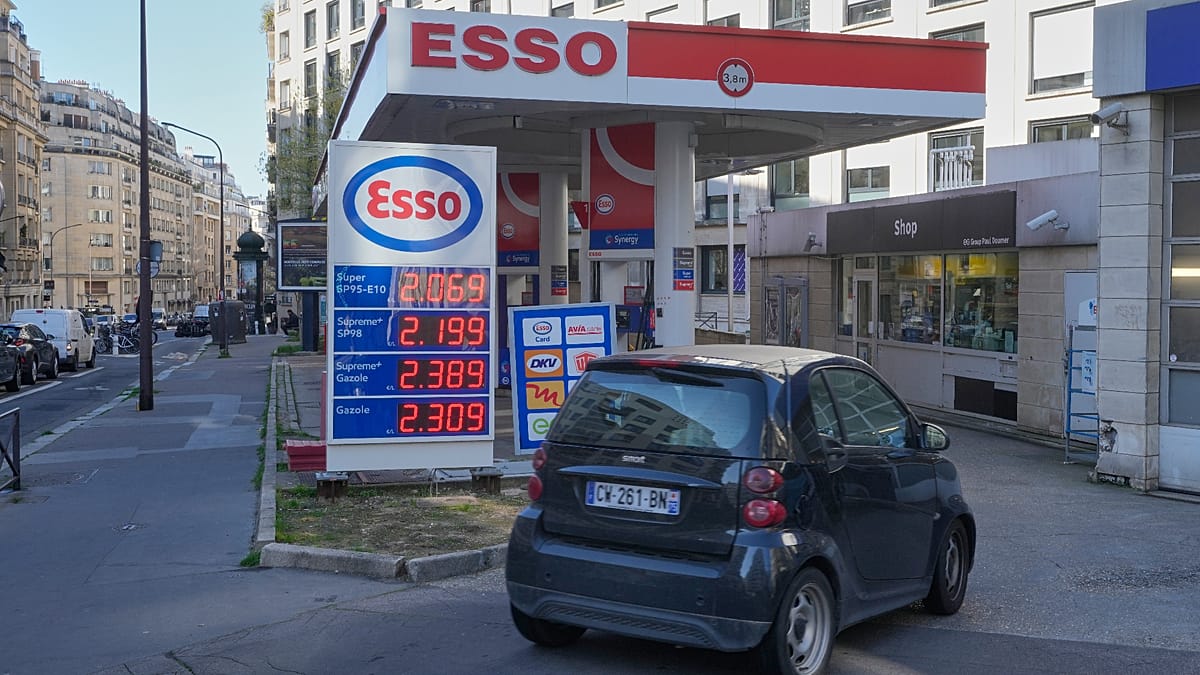
The entire European freight and logistics market was valued at $1,475.88 billion (€1,263.66 billion) in 2025, with road freight contributing over €400 billion annually. Yet the industry operates on razor-thin margins. Fuel represents approximately 30% of a transport company's costs, and volatility—driven by geopolitical instability—forces operators to navigate constant price swings while managing cash flow, since they often pay for fuel long before receiving payment for deliveries.
Rising fuel prices ripple directly into consumer goods. As transport costs climb, so do prices on shelves. Recent developments, such as Portugal's 12-cent-per-litre fuel price drop and broader oil price declines amid hopes of a US-Iran ceasefire extension, offer some respite, but the underlying fragility remains.
An Aging Workforce and Growing Shortfall
Road freight employs over 3 million people in Europe, with warehousing and support activities adding another 2.5 million workers. Yet the sector faces a severe driver shortage. In 2024, unfilled driver positions nearly doubled from 233,000 to 426,000, rising again in 2025 to 444,000. Some projections warn the gap could widen to 745,000 across Europe.
"The driver workforce, unfortunately, is ageing very substantially," Cresswell noted. "50% of German truck drivers are over the age of 55." This mirrors trends in other industries, but the nature of long-haul road freight—drivers often away from home for days or weeks—makes recruitment difficult. "It doesn't appeal to everybody," he added.
Can Technology Bridge the Gap?
Cresswell believes technology can help. AI-powered route planning, he argues, could allow haulage companies to do more with fewer drivers, alleviating some stress from the shortage. But he also stresses that poor public infrastructure—particularly a lack of safe and secure parking—needs addressing to attract new entrants.
On the prospect of driverless trucks, Cresswell is measured. "I think what will happen at some point is point-to-point transports along the autoroute, along the motorway between distribution centres," he said. "But actually, when it comes to first mile from collection and then last mile to delivery, I think that will take longer to arrive."
The industry's challenges are compounded by broader trade dynamics. As the EU navigates a harder line on China amid persistent trade imbalances and debates over Hungary's frozen funds, the logistics backbone that supports these flows remains under strain. Without targeted investment in both technology and infrastructure, Europe's silent drivers of trade may struggle to keep the shelves full.