Qatar's foreign ministry said on Tuesday that its officials are in daily contact with Washington and Tehran, working to revive negotiations between the United States and Iran. The Gulf state, together with Pakistan, has been acting as a mediator since the outbreak of the conflict in late February.
“Our officials are on the phone on a daily basis trying to workshop ideas, workshop ways of getting back to the negotiations,” Majed Al-Ansari, the ministry's spokesperson, told reporters in Doha. He declined to provide specifics on the proposals under discussion but stressed that Doha's priority remains a diplomatic resolution.
“Our priority was always reaching a diplomatic solution through talks,” Al-Ansari said. “We are urging the parties to engage fully in the talks and the mediation that is led by Qatar and Pakistan and the other regional players.” He described negotiations as “the only way out of this crisis” and called on both sides to participate in good faith.
The comments came shortly after Pakistan's army chief, Field Marshal Asim Munir, visited Tehran for talks with senior Iranian officials, part of a broader effort to reduce regional tensions. Pakistan's Interior Minister Mohsin Naqvi said the discussions had made “significant progress.” The visit coincided with an expansion of US sanctions against Iran, which Washington has branded “Operation Economic Outcast.” Tehran has vowed to resist the measures.
Hormuz closure draws Qatari rebuke
Al-Ansari also rejected any suggestion that Qatar might seek a separate bilateral agreement with Iran to secure passage for its energy exports through the Strait of Hormuz. “This is a regional problem that needs a regional solution. It cannot be addressed bilaterally with Iran,” he said.
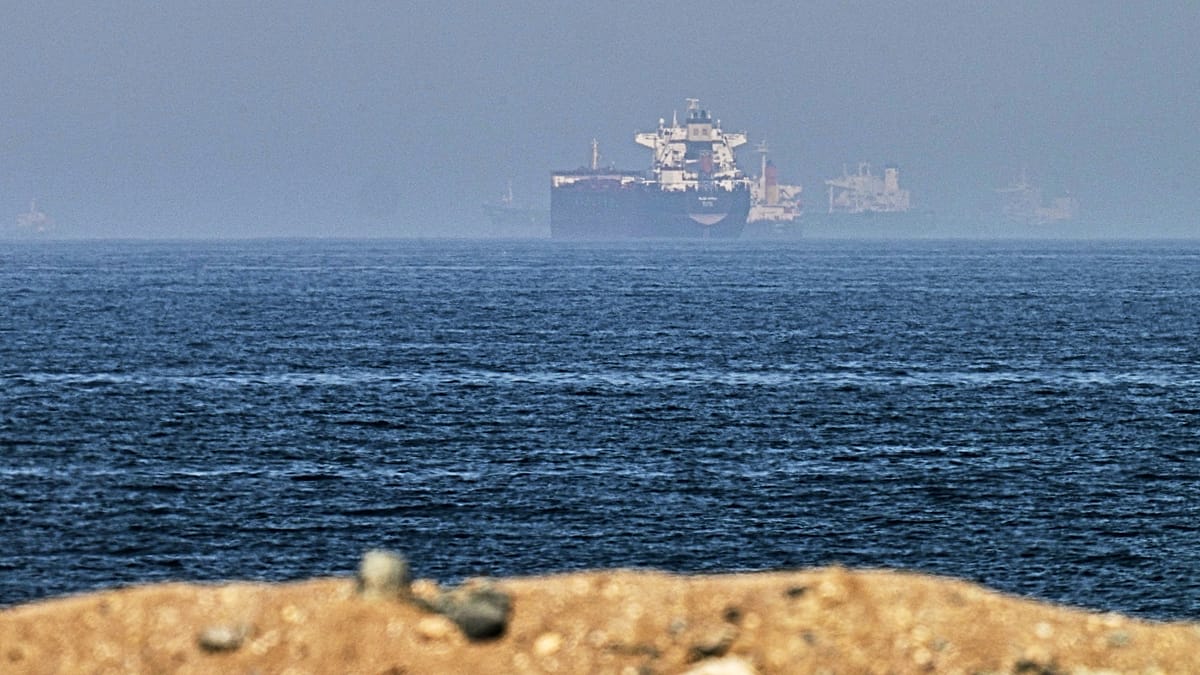
He condemned Iran's closure of the strait, saying it “goes beyond international maritime law and goes beyond good-neighbourly relations. This needs to end immediately.” Doha wants freedom of navigation restored to the conditions that existed before the war began.
The strait is a vital artery for global energy supplies, and its disruption has delayed deliveries and raised concerns about supply security. For Qatar, one of the world's largest exporters of liquefied natural gas, the waterway is of particular importance. Al-Ansari acknowledged that other countries are entitled to negotiate their own arrangements with Iran but maintained that Qatar favours regional talks over separate safe-passage agreements.
The diplomatic push comes as European capitals watch the situation closely, given the potential impact on energy markets and the broader stability of the Gulf region. The European Union has repeatedly called for de-escalation and a return to diplomacy, though it has not played a direct mediating role in this conflict.
While Qatar and Pakistan lead the mediation, other regional players are also involved. The reopening of Hormuz is seen as a critical step toward easing global energy pressures, and any progress in the talks could have significant implications for European consumers and businesses.
As the war continues, the humanitarian and economic costs mount. The closure of the strait has already forced shipping companies to reroute, adding time and expense to deliveries. European nations, heavily reliant on energy imports, are particularly vulnerable to such disruptions.
Al-Ansari's remarks underscore the urgency of finding a negotiated settlement. “This is a regional problem that needs a regional solution,” he reiterated, calling on all parties to engage constructively. The coming weeks will be crucial in determining whether the daily diplomatic efforts can translate into a tangible breakthrough.