South Korea's education minister has stepped down following a public backlash over hastily introduced measures to prevent AI-assisted cheating in the country's university entrance exam, a test that can determine a student's future career path.
President Lee Jae-myung accepted Choi Kyo-jin's resignation on Sunday, just three days after the College Scholastic Ability Test, known locally as Suneung, was held. In his resignation statement, Choi acknowledged that the government had failed to prepare adequately and that the sudden changes had caused confusion among students and schools.
The resignation came after a turbulent week for the ministry. On Monday, the Education Ministry announced it was filing criminal complaints against five candidates caught using smart devices during the exam. An official told Yonhap news agency that some complaints had already been lodged, with the remaining cases to follow by the end of the day.
The controversy intensified after the top scorer in this year's certified tax accountant examination admitted on 15 November to cheating with a miniature camera, a smartphone, and generative AI. That confession came just days before the Suneung, heightening fears that similar tactics could be used in the university entrance exam.
The ministry also reported four cases involving AI-enabled smart glasses in middle and high school exams earlier this year, adding to the sense of urgency.
Last-minute security measures
In response, authorities deployed about 8,400 additional staff for the university entrance exam, including specialists trained to detect smart devices and monitors patrolling corridors. Supervisors were instructed to inspect students' glasses and cover clothing buttons with stickers to block hidden cameras.
During the exam, the government sent three nationwide emergency alerts to mobile phones to detect devices that candidates had not handed over. The ministry reported 111 suspected breaches involving electronic devices, of which 54 were detected through the alerts and 52 through other methods. Five cases involved candidates actually using smart devices. The figures do not establish that all 111 cases involved AI-assisted cheating.
The measures were announced just two days before the exam, drawing sharp criticism from teachers' organisations. The Korean Federation of Teachers' Associations pointed to an unrealistic timetable: staff were selected on Tuesday, trained on Wednesday, and deployed on Thursday. The day before the exam, the ministry also restricted students to black pencils, with exam centres providing other supplies such as erasers and correction tape to prevent candidates from hiding cameras inside them.
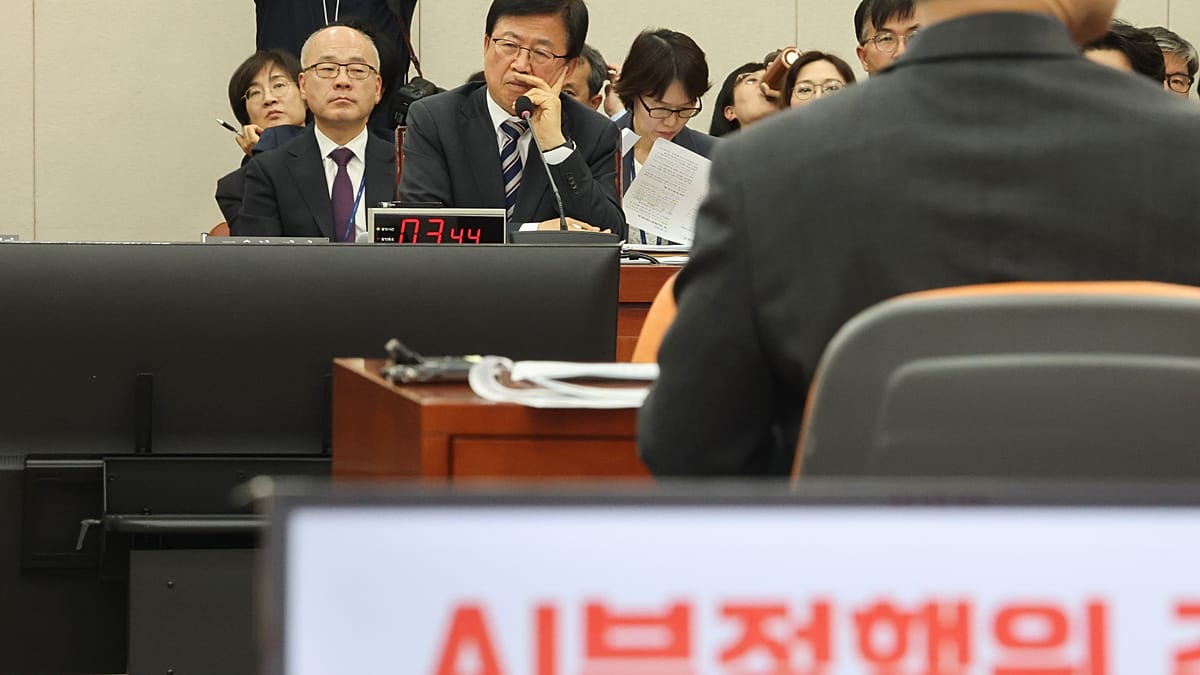
Choi had already faced criticism for telling a parliamentary hearing on 16 November that his age made him doubt his ability to detect all AI-assisted cheating. In his resignation statement, he said: “Now that the exam has concluded, I feel a deep sense of responsibility and am offering my resignation.”
President Lee has put Prime Minister Han Seong-sook in charge of follow-up measures and ordered a review of how examinations are managed. The episode has sparked a wider debate in South Korea about the role of AI in education and the challenges of maintaining exam integrity in an era of rapid technological change.
For European observers, the South Korean experience offers a cautionary tale about the difficulties of policing AI in high-stakes assessments. As European institutions and member states grapple with similar questions—from Europe's AI race to the ethics of generative AI in classrooms—the Suneung controversy underscores the need for proactive, well-tested policies rather than reactive measures.