Doha has expressed cautious optimism over negotiations between Tehran and Muscat to reopen the Strait of Hormuz, even as unresolved compensation demands threaten to slow progress. Speaking to reporters in the Qatari capital on Tuesday, foreign ministry spokesperson Dr Majed Al Ansari said both capitals had recently made positive statements, and that Qatar was awaiting the outcome of the talks.
“We have heard positive statements from both capitals in the recent couple of days,” Al Ansari said. “We look to this quite positively, and we are waiting to see what transpires at the end.”
According to the Qatari official, Oman and Iran have indicated that negotiations have reached the technical stage, with Tehran preparing an official announcement. The two countries have reportedly agreed on the coordinates of proposed shipping routes through the strait and are working to finalise an arrangement for vessels using the waterway.
Under the proposed system, ships entering the Gulf would use a northern route through Iranian waters, while departing vessels would use a southern route through Omani waters, according to media reports. Iranian Foreign Minister Abbas Araghchi said over the weekend that an agreement with Oman was “very close,” but Tehran has linked a wider reopening of the strait to demands from Washington.
Compensation remains a sticking point
Those demands include an end to US sanctions and military threats, as well as compensation for damage caused during the war. US President Donald Trump said on Monday that Iran should compensate people killed or injured in attacks he blamed on Tehran. Asked whether Trump’s demand was being discussed, Al Ansari said Qatar was focused on the wording currently being exchanged by Oman and Iran.
“I am not aware of any discussion of compensation within these talks,” he said. “We are not there yet, as we are talking right now about the opening of the strait, diplomacy, the ceasefire and the correct parameters.”
Trump’s comments came after Tehran demanded payment from the US and Israel for damage caused during the war that began with strikes across Iran on 28 February. The compensation issue has become a central point of contention, with Trump linking peace talks to compensation demands.
Al Ansari expressed concern about any delay in reaching an agreement. “We would like to see freedom of navigation restored immediately in the Strait of Hormuz in accordance with international law,” he said. Qatar’s priority was to reopen the waterway, maintain the ceasefire and clear the way for wider talks, he added.
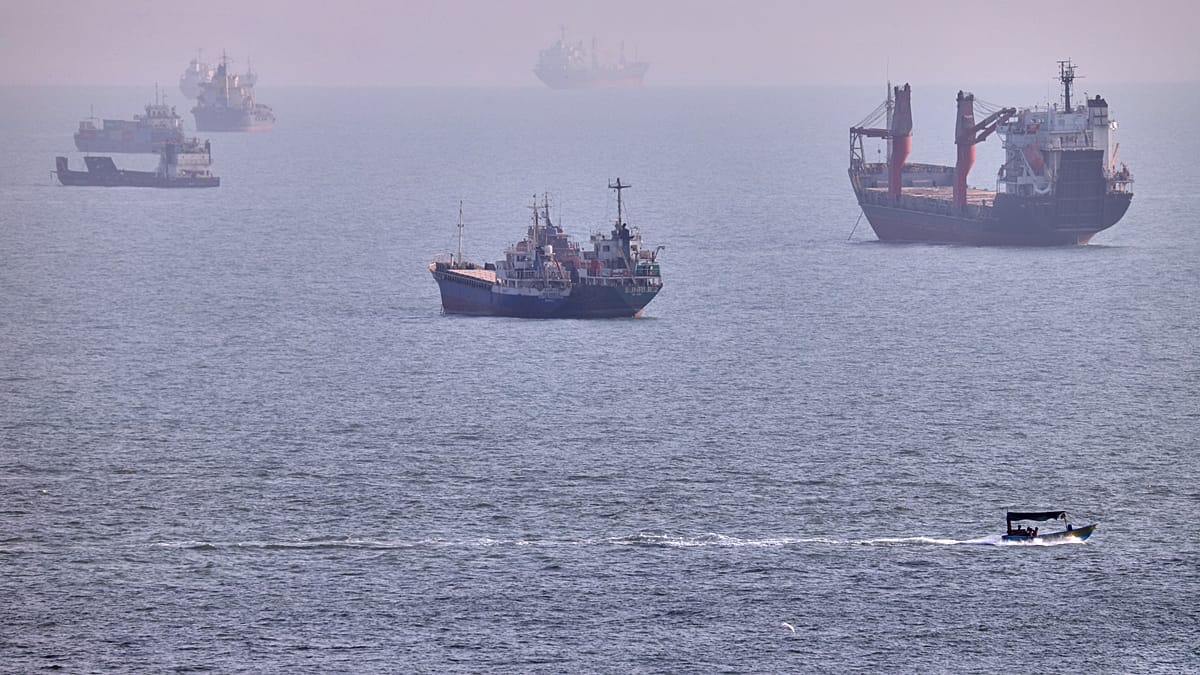
Commercial traffic through Hormuz remains far below pre-war levels. Only six vessels passed through the strait on Monday, compared with a 10-day daily average of around 11 and between 130 and 140 ships a day before the war, Reuters reported, citing shipping data. The waterway handled around one-fifth of global oil supplies before the war, while Qatar depends on it to export liquefied natural gas.
The reopening of Hormuz is critical not only for regional economies but also for global energy markets. As oil prices have climbed amid stalled talks, any progress is closely watched. Qatar, as a major LNG exporter, has a direct stake in restoring normal traffic through the strait.
While the technical talks between Oman and Iran are a positive step, the broader political context remains fraught. The US and Iran have been at odds over a range of issues, and the compensation question could prove a major obstacle. Qatar’s role as a mediator, along with other regional players, may be crucial in bridging the gap.
For now, Doha is urging all parties to move quickly. “We would like to see freedom of navigation restored immediately,” Al Ansari reiterated, underscoring the urgency felt across the Gulf. The coming days will reveal whether the technical progress can translate into a lasting agreement.