Qatar has warned that the ongoing conflict with Iran is exacting a heavy toll on the global economy, urging all parties to return to the negotiating table. Speaking at a press briefing in Doha on Tuesday, Ibrahim bin Sultan Ibrahim Al Hashmi, director of the foreign ministry's Media and Communication Department, confirmed that diplomatic efforts remain active.
"I can confirm that the negotiations are ongoing," Al Hashmi said. "Contacts and visits are ongoing with the aim of making progress in the talks between Washington and Tehran." He added that Qatar is open to a visit from the Iranian side to learn about the latest developments regarding the Iranian position.
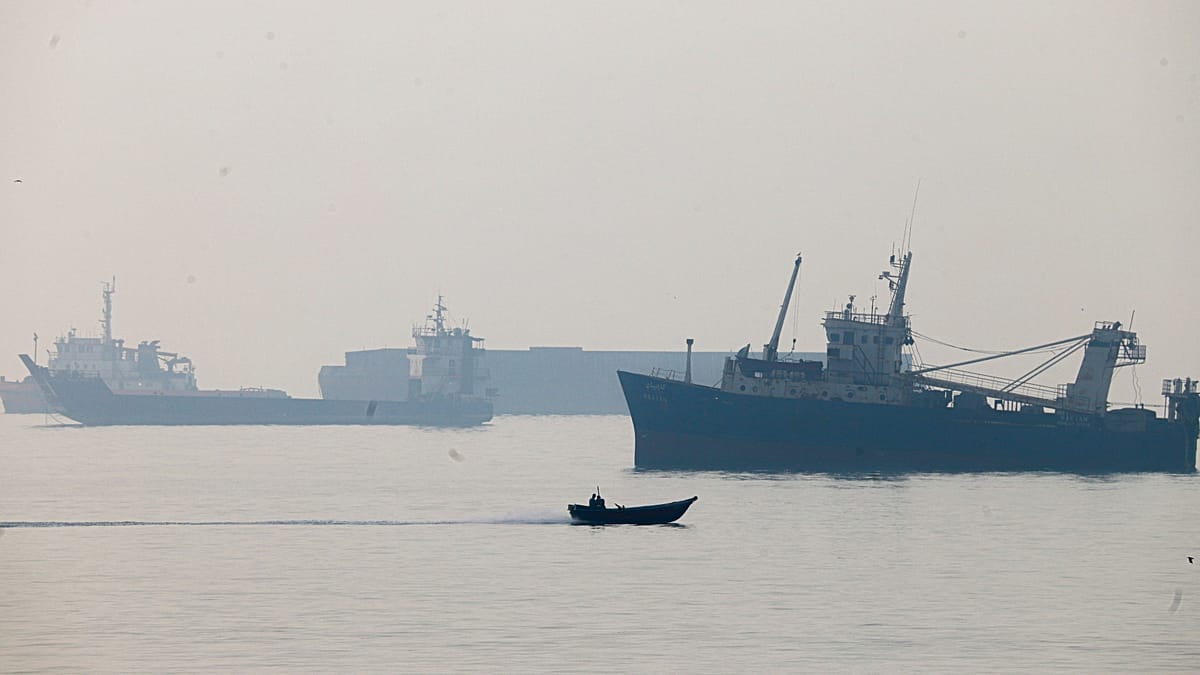
The war, which began with joint US-Israeli strikes on Iran in late February, has severely disrupted shipping through the Strait of Hormuz, a vital artery for Gulf energy exports. Both Iran and the United States have imposed naval blockades, compounding the damage to global supply chains.
Last week, Qatari foreign ministry spokesperson Majed Al-Ansari described the strain on the world economy as "unbearable," noting that the disruption extends far beyond oil and gas. Shortages now affect fertiliser ingredients, helium, and aluminium, hitting industries from agriculture to electronics across Europe and beyond.
Qatar's mediation role
Doha has positioned itself as a key intermediary, working to restore freedom of navigation through the Strait of Hormuz as part of a broader effort to broker an agreement between Washington and Tehran. The Gulf state's diplomatic activism reflects its unique relationships with both Iran and the West, as well as its role as a major energy exporter.
The economic fallout is being felt acutely in Europe, where diesel stockpiles cover only ten days of global demand, according to analysts. Disruptions in the Gulf could therefore have immediate consequences for European fuel prices and industrial output.
Qatar's mediation efforts come amid broader regional realignments. Al Hashmi also expressed support for the Mecca defence alliance, a military pact among Saudi Arabia, Turkey, and Pakistan, but said it was "too early to talk about Qatar joining." The alliance was established under an agreement signed on 7 August, and its members held an emergency meeting in Riyadh on Monday to activate their collective defence commitments and rapidly deploy forces to Saudi Arabia.
Al Hashmi condemned what he described as Yemen's Houthis' irresponsible targeting of Saudi Arabia, including Islamic holy sites and civilian facilities. He said Doha "supports Saudi measures to preserve sovereignty and security." The Houthis have denied Saudi claims of attacks on Islam's holiest sites in Mecca and Medina.
Meanwhile, Qatar's Emir, Sheikh Tamim bin Hamad Al Thani, met Iranian Interior Minister Eskandar Momeni in Doha on Tuesday. According to Qatar's state news agency, the talks focused on regional developments and efforts to ease tensions. Momeni also met his Qatari counterpart, with Iran's semi-official Tasnim news agency reporting that the discussions centred on the fate of three Iranian military pilots that Tehran claims are held by Doha since the war.
Iran alleges that the pilots were detained after their military aircraft was downed in Qatari airspace in March. Doha denies holding them, saying search teams recovered the remains of one pilot. Momeni said a technical delegation would hold further meetings on the issue following the talks, as reported by Iranian state broadcaster IRIB.
The broader implications of the conflict are not lost on European capitals, which are watching the situation with concern. The war has already strained transatlantic relations, with a US envoy warning that the EU's 'Buy European' arms plan risks a transatlantic rift. European leaders are also mindful of the security architecture, as NATO chief Rutte warns the alliance model is unsustainable without European action.
As the conflict drags on, Qatar's message is clear: the whole world is paying the price, and only a negotiated settlement can restore stability to the region and the global economy.