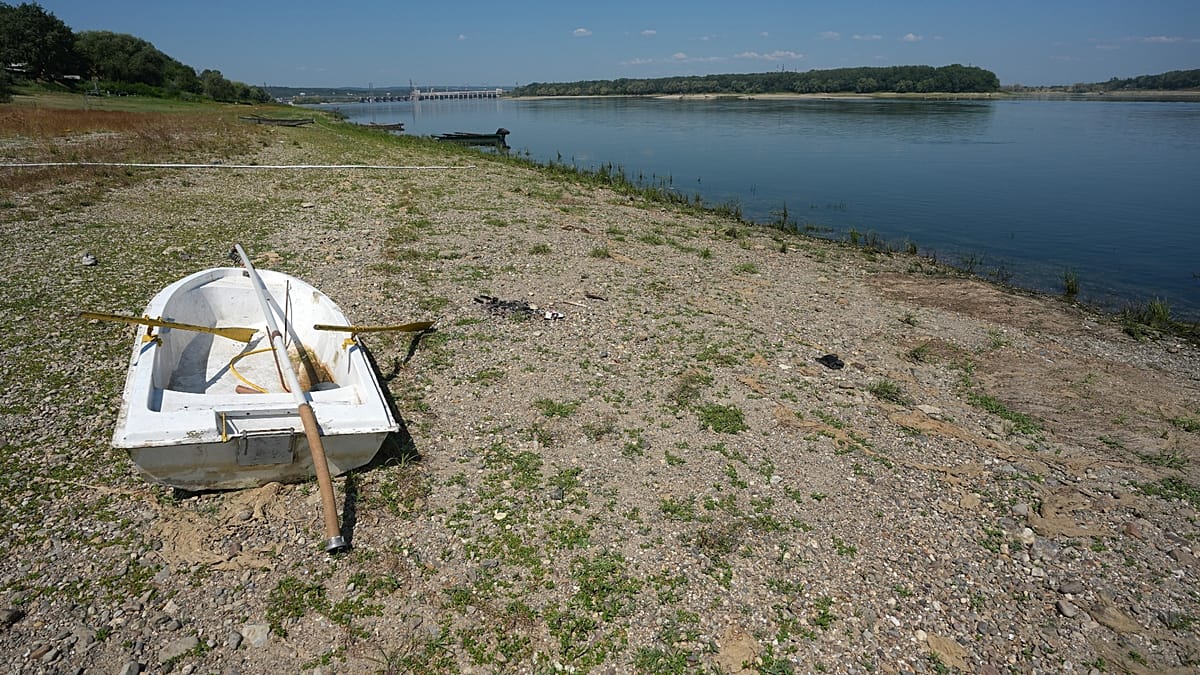
Belgrade, Serbia — The Danube, Europe's second-longest river, has fallen to a record low in Serbia, leaving boats stranded on exposed sandbanks and disrupting river traffic. The water level at the Serbian capital dropped to its lowest point in decades, a stark reminder of the drought gripping much of the continent.
Near the village of Prahovo in eastern Serbia, the river's retreat has revealed the hulks of sunken ships and barges, some dating back to World War II. The scene is a visual testament to the severity of the dry spell, which has also affected other European waterways, including the Rhine and the Vistula.
Impact on navigation and local communities
The low water has forced the closure of certain stretches of the Danube to larger vessels, dealing a blow to freight transport and river tourism. In Belgrade, ferries and excursion boats sit idle, their hulls resting on dry sand. Local fishermen report that the receding water has altered fish habitats, while farmers along the riverbanks worry about irrigation supplies.
Serbian authorities have issued warnings to boat owners and are dredging critical sections to keep the navigation channel open. The situation echoes Hungary's recent Danube troubles, where low water levels threatened the Paks nuclear power plant's cooling system before a recovery eased fears.
Climate scientists link the extreme low flow to a combination of below-average rainfall and above-normal temperatures across the region. The drought has also exacerbated conditions elsewhere, as seen in Poland's Vistula river, where coal plants have struggled to secure cooling water.
Historical echoes and environmental concerns
The exposed sandbanks have become a magnet for curious locals, who walk on ground normally submerged. But the low water also brings risks: unexploded ordnance from past conflicts may surface, and the lack of flow concentrates pollutants, threatening aquatic life.
In Budapest, the Danube's low water earlier this year revealed a WWII motorbike and soldiers' remains, a haunting reminder of the river's role in history. Serbian officials are coordinating with neighboring countries to manage the river's shared resources, but the immediate outlook remains dry.
Forecasters predict little rain in the coming weeks, and the Danube could fall further. The situation has prompted calls for a more coordinated European response to water scarcity, as the continent grapples with the effects of a warming climate. The heatwaves that have scorched southern Europe are part of a pattern that is reshaping the region's hydrology.
For now, the stranded boats in Serbia serve as a stark visual of a changing continent, where even the mightiest rivers are not immune to the forces of a warming world.