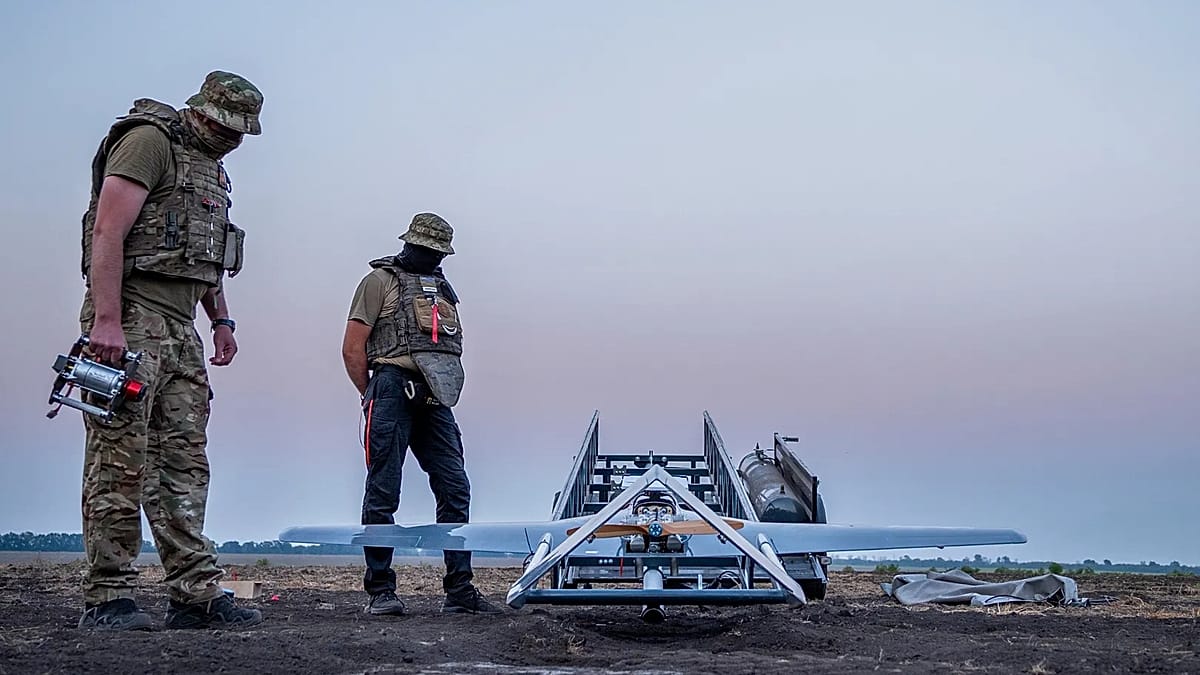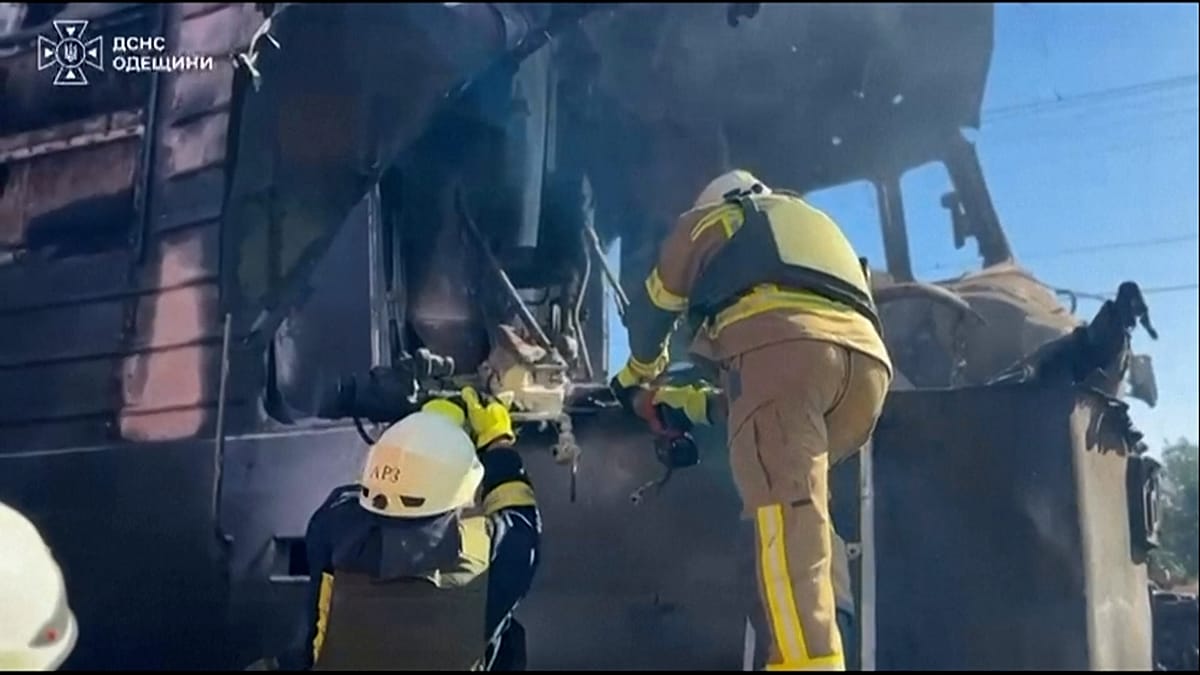
In the latest escalation of Russia's aerial campaign against Ukrainian civilian infrastructure, a Shahed drone struck a passenger train in the Odesa region on 13 August 2026, killing the train's driver and his assistant. The attack occurred in the Berezivka district, a rural area northeast of the port city of Odesa, and forced the evacuation of 340 passengers, among them 67 children.
Ukrainian railway officials confirmed the deaths and said the driver and his assistant were in the locomotive cabin when the drone hit. The train was travelling on a route that serves several towns in the region, and the strike caused a fire that was quickly contained by emergency services. Passengers were moved to a nearby station, where they were met by buses and taken to temporary accommodation.
Civilian infrastructure under fire
The attack is part of a broader pattern of Russian strikes targeting Ukraine's transport network, which has been a lifeline for both military supplies and civilian movement since the full-scale invasion began in 2022. The Odesa region, with its strategic ports and rail links to the rest of Ukraine, has been a frequent target. In recent months, Russian forces have intensified drone and missile attacks on railway infrastructure, including stations and power substations that supply the network.
Ukrainian officials condemned the strike, calling it a deliberate act of terrorism against civilians. Andriy Yermak, head of the Ukrainian presidential office, wrote on Telegram: "This is another crime against humanity. They are hitting trains, hospitals, and grain warehouses. The world must respond."
The strike comes amid a series of overnight drone exchanges that have killed civilians on both sides. In the past week, Russian drones have also struck a WHO warehouse in Dnipro, destroying medical supplies, and have violated NATO airspace over Poland and Romania, prompting NATO condemnation.
European solidarity and security concerns
The attack has resonated across Europe, where governments are grappling with the security implications of Russia's drone tactics. Germany, for instance, recently expanded its anti-drone police unit after a drone incident at Leipzig airport, and the Odesa strike underscores the vulnerability of civilian transport to such weapons. European Union foreign policy chief Josep Borrell said in a statement: "This attack on a passenger train is a blatant violation of international humanitarian law. The EU stands with Ukraine and will continue to support its defence and the protection of its civilians."
The incident also highlights the growing role of drones in modern warfare, a trend that has prompted European countries to invest in counter-drone technologies. Portugal, for example, is deploying its homegrown Tekever AR5 drones for maritime patrol, a move that reflects the continent's focus on drone defence.
As the war enters its fifth year, the human cost continues to mount. The killing of the train driver and his assistant is a stark reminder that the conflict's toll extends far beyond the front lines. For the passengers who survived, the journey that began as an ordinary commute turned into a harrowing escape. Local authorities have opened an investigation into the strike, and Ukraine's air force has vowed to strengthen air defences over the region.
The international community has repeatedly called for restraint, but the attacks show no sign of abating. For Europeans, the Odesa train strike is not just a distant tragedy; it is a warning of the dangers that drones pose to civilian life across the continent.