A Russian overnight barrage killed at least 15 people in Kyiv and the surrounding region, Ukrainian officials said on [day], as Moscow continues to escalate its use of ballistic missiles more than four years into its full-scale invasion.
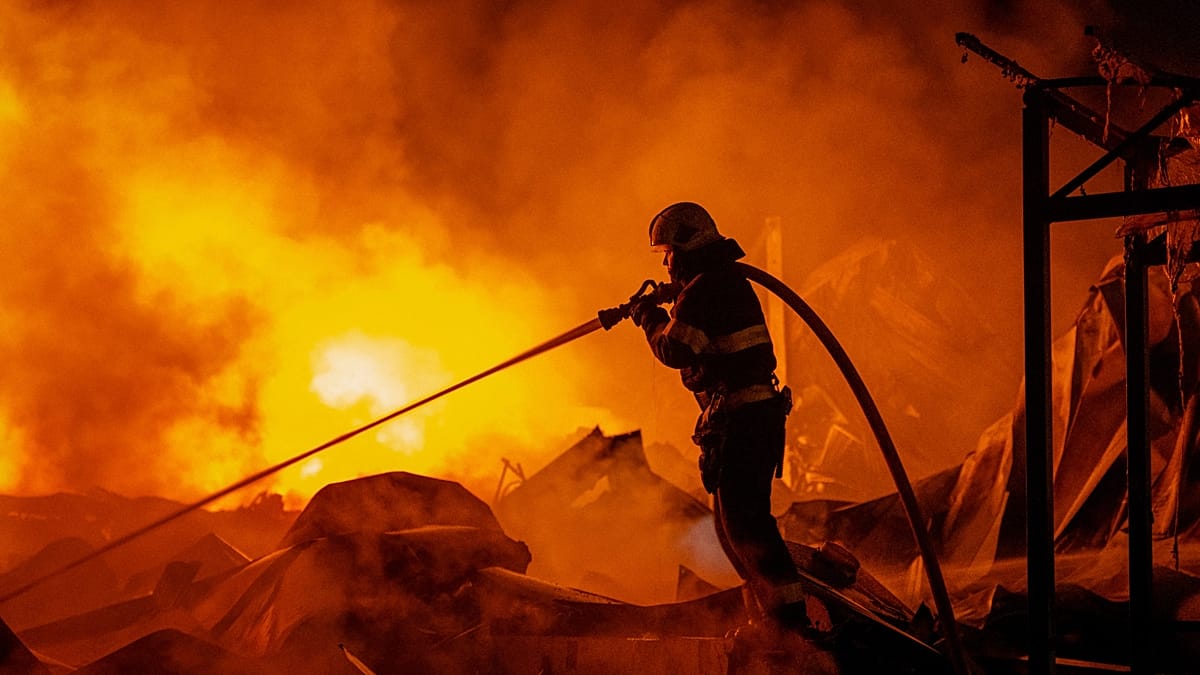
The attack, which involved a combination of drones and missiles, struck residential areas and infrastructure, sparking large fires that took hours to contain. Emergency services in the capital reported that several buildings were damaged, and rescue teams worked through the night to search for survivors under the rubble.
Renewed calls for air defense
The latest assault has renewed Ukrainian appeals to Western allies for additional air defense systems, particularly US-made Patriot interceptors. Kyiv has repeatedly stressed that these systems are vital to countering Russia's growing reliance on ballistic missiles, which are harder to shoot down than cruise missiles or drones.
In recent months, Ukrainian officials have urged Washington and European partners to expedite deliveries of Patriot batteries and interceptor missiles. However, the licensing of Patriot systems for Ukraine remains uncertain, with delays in Washington raising concerns among Kyiv's supporters.
The overnight strike came just days after the European Union announced it would channel €1.4 billion from frozen Russian assets to Ukraine, a move aimed at bolstering the country's resilience and military capabilities. That funding, however, cannot replace the immediate need for advanced air defense, which remains a critical gap in Ukraine's defenses.
According to the Ukrainian air force, the barrage included a mix of drones and missiles, with some reports indicating that none of the 28 missiles were intercepted, a stark reminder of the challenges facing Ukraine's air defense network. The failure to intercept the missiles has intensified scrutiny of the current capabilities and the urgent need for more sophisticated systems.
In the Kyiv region, local authorities reported that several settlements were hit, with at least 15 fatalities and dozens of injuries. Among the dead were civilians, including a child, according to preliminary reports. The attacks also damaged energy infrastructure, leaving some areas without power and heating, as winter approaches.
Ukrainian President Volodymyr Zelenskyy condemned the attack, calling it "another act of terror" and reiterating his plea for more air defense support. "Every Patriot system saves hundreds of lives," he said in a statement. "We need them now, not in months."
The international community has reacted with condemnation. Ursula von der Leyen, President of the European Commission, expressed solidarity with Ukraine, stating that the EU would continue to support Kyiv "for as long as it takes." Meanwhile, NATO Secretary General Jens Stoltenberg called for accelerated deliveries of air defense systems, warning that the cost of inaction would be measured in lives.
The attack also drew attention to the broader security situation in Europe. With the war now in its fourth year, the conflict has become a test of European resolve and unity. The EU's decision to use frozen Russian assets is seen as a significant step, but many analysts argue that more needs to be done to close the air defense gap.
In the meantime, Ukrainian cities remain under constant threat. The overnight barrage is the latest in a series of strikes that have targeted Kyiv, Kharkiv, Odesa, and other urban centers. The psychological toll on civilians is immense, as they face the daily risk of missile attacks with little warning.
As rescue operations continue, the focus is on the immediate humanitarian needs of the victims. Local authorities have set up temporary shelters for those displaced by the attacks, and medical teams are treating the wounded in hospitals across the capital.
The coming weeks will be crucial, as Ukraine's allies weigh further military aid packages. The question of Patriot systems, in particular, remains a sticking point, with some Western officials expressing concerns about the sustainability of supplies. However, the mounting civilian toll is likely to increase pressure on governments to act decisively.
For now, Kyiv mourns its dead and braces for more attacks. The resilience of its people, however, remains unbroken. As one resident told local media, "We have no choice but to endure. But we will never accept this."