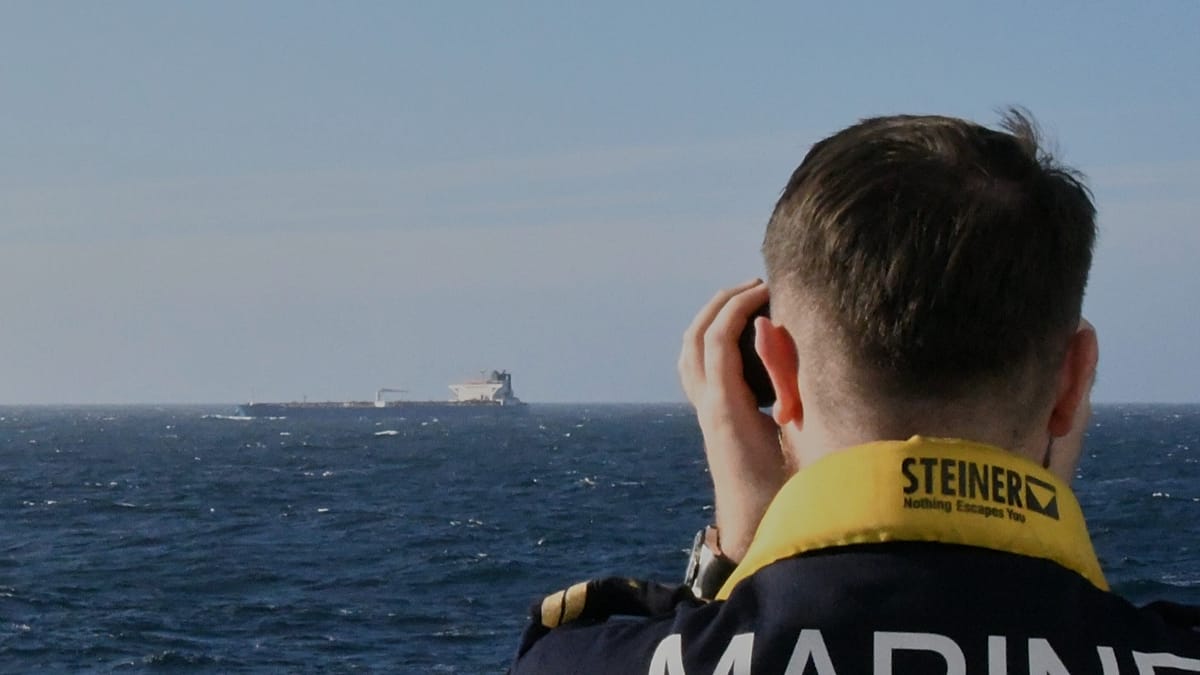
The voyage of the Russian-flagged bulk carrier ABINSK has exposed the legal and diplomatic complexities surrounding the export of grain from Russian-occupied Ukrainian territories. The vessel, which Ukraine alleges was part of a sanctioned 'shadow fleet' carrying stolen wheat, successfully docked and unloaded at Israel's Port of Haifa in mid-April before departing for Turkey, evading a Ukrainian seizure request.
Tracking data from trade intelligence firm Kpler shows the ABINSK arrived at Haifa, Israel's largest international seaport, on 12 April and departed on 15 April. Its listed condition after leaving was 'in ballast', indicating it had likely discharged its cargo. The ship then transited through the Turkish port of Çanakkale, with Istanbul listed as its next destination.
Diplomatic Warnings and a Missed Interception
Ukraine's foreign ministry stated it had warned Israeli authorities in advance about the vessel and the 'possible origin of the cargo from the temporarily occupied territories of Ukraine.' A Ukrainian court had issued a decision to seize the cargo. However, according to reporting by Axios, Israeli Foreign Minister Gideon Sa'ar informed Kyiv that it was too late to detain the ship after it had already left port.
The incident underscores a significant gap in international enforcement. While Ukraine considers the export of grain from occupied territories without its authorisation to be illegal under its domestic law, there is no global ban on Russian grain exports. Food products are generally exempt from the sweeping EU sanctions imposed on Russia since its full-scale invasion in February 2022. However, imports from Russian-occupied Crimea, unless authorised by Kyiv, are explicitly prohibited by the EU.
In practice, EU ports have been closed to most vessels linked to Russia's merchant fleet, with exceptions for humanitarian cargoes like food. Ships suspected of transporting grain from occupied Ukraine or belonging to Russia's 'shadow fleet'—aged vessels using shell companies and opaque tracking to bypass sanctions—are banned. Countries like Israel and Turkey, however, are not bound by EU sanctions, leaving interception to their domestic legal frameworks and political will.
The Cargo and the 'Shadow Fleet'
Investigators from the SeaKrime project, run by the Kyiv-based NGO Myrotvorets, allege the ABINSK carried at least 7,500 tonnes of wheat from occupied Ukrainian territories. Their open-source research suggests the grain was transferred between vessels before being exported from the Port of Kavkaz and declared as Russian in origin. Reporter Kateryna Yaresko traced the cargo's origin to Kerch in Crimea, which Russia annexed in 2014.
Public tracking data does not show the vessel's departure from Russia or Crimea but indicates it traded primarily in the eastern Mediterranean between 2018 and 2025, with multiple port calls in Russia. The ABINSK is 20 years old, having been built in Japan in 2006, and has changed ownership and flags multiple times, previously sailing as the Lago di Nemi under the Liberian flag. These are hallmark traits of the so-called shadow fleet.
Ukraine's Foreign Ministry describes the ABINSK as part of this clandestine network, used by Moscow to circumvent Western restrictions. The legal principle is clear under international law: the exploitation of resources by an occupying power for its own benefit—looting and pillaging—is prohibited and can constitute a war crime.
The episode has broader implications for European food security and sanctions policy. As EU Energy Chief Warns of Prolonged Price Hikes from Middle East Conflict, disruptions to grain markets remain a acute concern. Furthermore, the challenge of enforcing sanctions against complex maritime networks echoes issues seen within the EU itself, such as the recent fraud investigation into EU farm subsidies in Greece.
Ultimately, the ABINSK's journey from Haifa to Turkish waters illustrates the patchwork nature of current enforcement. While the EU has moved to tighten its own port controls, global waterways remain open for vessels that can find ports in nations without aligned legal restrictions. This case will likely fuel calls for more coordinated international action, as advocated by figures like former Finnish Prime Minister Sanna Marin, who urges the EU to integrate lessons from conflicts like Ukraine's into its broader strategies.