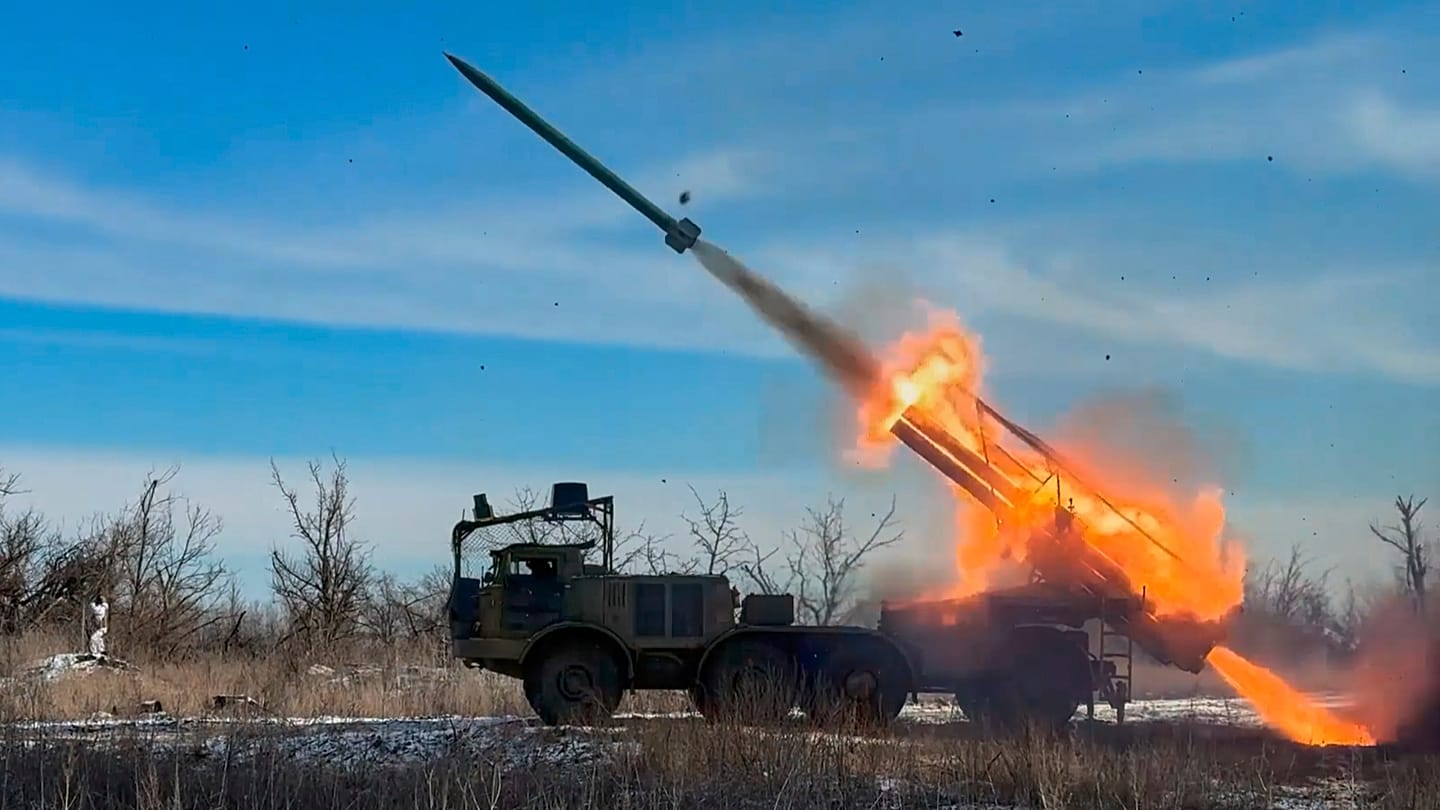
Russia launched a large-scale attack on Ukraine's Odesa region on Tuesday, targeting energy infrastructure and civilian shipping. The assault left thousands of residents without power and struck three commercial vessels navigating the Black Sea along Ukraine's maritime corridor.
The attack, which involved drones and missiles, caused significant damage to the region's power grid. Local authorities reported that emergency crews are working to restore electricity, but the extent of the damage has forced rolling blackouts in several districts. The Odesa region, a key hub for Ukraine's grain exports, has been a frequent target of Russian strikes since the full-scale invasion began in February 2022.
Civilian Shipping Under Fire
In addition to the power outages, Russian forces targeted three commercial vessels in the Black Sea. These ships were part of Ukraine's maritime corridor, a route established to facilitate grain exports under a UN-brokered deal that Moscow withdrew from in July 2023. The strikes on civilian shipping raise concerns about the safety of international trade routes and the broader impact on global food supplies.
Ukraine's navy confirmed that the vessels were hit while moving along the corridor, but no casualties were reported among the crews. The incident underscores the ongoing risks for commercial shipping in the region, despite Ukraine's efforts to maintain exports through alternative routes.
The attack comes amid a broader escalation of Russian strikes on Ukrainian infrastructure. In recent weeks, Moscow has intensified its campaign against energy grids, aiming to cripple Ukraine's ability to sustain its economy and military operations. The Odesa region has been particularly vulnerable due to its proximity to the front lines and its strategic importance for trade.
European leaders have condemned the strikes, with the EU reiterating its support for Ukraine's defense. The bloc has provided billions in aid, including air defense systems, to help protect critical infrastructure. However, the repeated attacks highlight the challenges of shielding civilian areas from relentless bombardment.
The Odesa attack also follows a pattern of Russian strikes targeting ports and grain storage facilities, which have disrupted Ukraine's agricultural exports. The country is a major supplier of wheat, corn, and sunflower oil to global markets, and any disruption risks exacerbating food insecurity in regions like the Middle East and Africa.
Ukraine's President Volodymyr Zelenskyy condemned the attack, calling it a deliberate attempt to terrorize civilians and undermine the country's economy. He reiterated calls for more advanced air defense systems from Western allies to counter Russian missile and drone barrages.
The incident is part of a broader wave of Russian aggression across Ukraine. In a related development, a Russian drone barrage hit a residential area in Kharkiv, causing casualties and damage. Meanwhile, Odesa and Zaporizhzhia were among the targets of a massive drone attack involving 232 drones launched by Russia.
The strikes also have implications for neighboring NATO member Romania. A recent Russian drone strike on a Romanian apartment block escalated tensions, prompting the alliance to reaffirm its commitment to defending its eastern flank. The EU has also condemned such incursions, which risk drawing the bloc directly into the conflict.
As winter approaches, the targeting of energy infrastructure poses a severe humanitarian threat. Millions of Ukrainians could face prolonged power outages, heating shortages, and water supply disruptions. International organizations have warned that the coming months will be critical for Ukraine's civilian population.
The Odesa attack serves as a stark reminder of the war's toll on ordinary Ukrainians and the broader European security order. With no end to the conflict in sight, the EU and NATO face mounting pressure to bolster Ukraine's defenses while managing the risks of escalation.