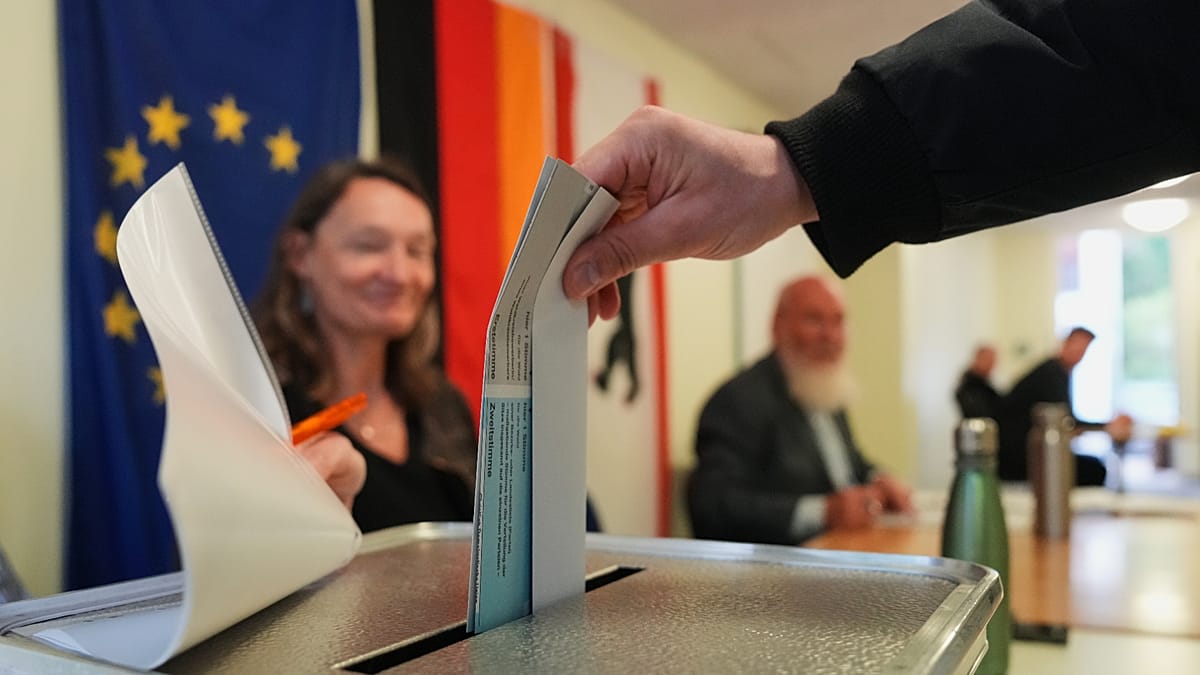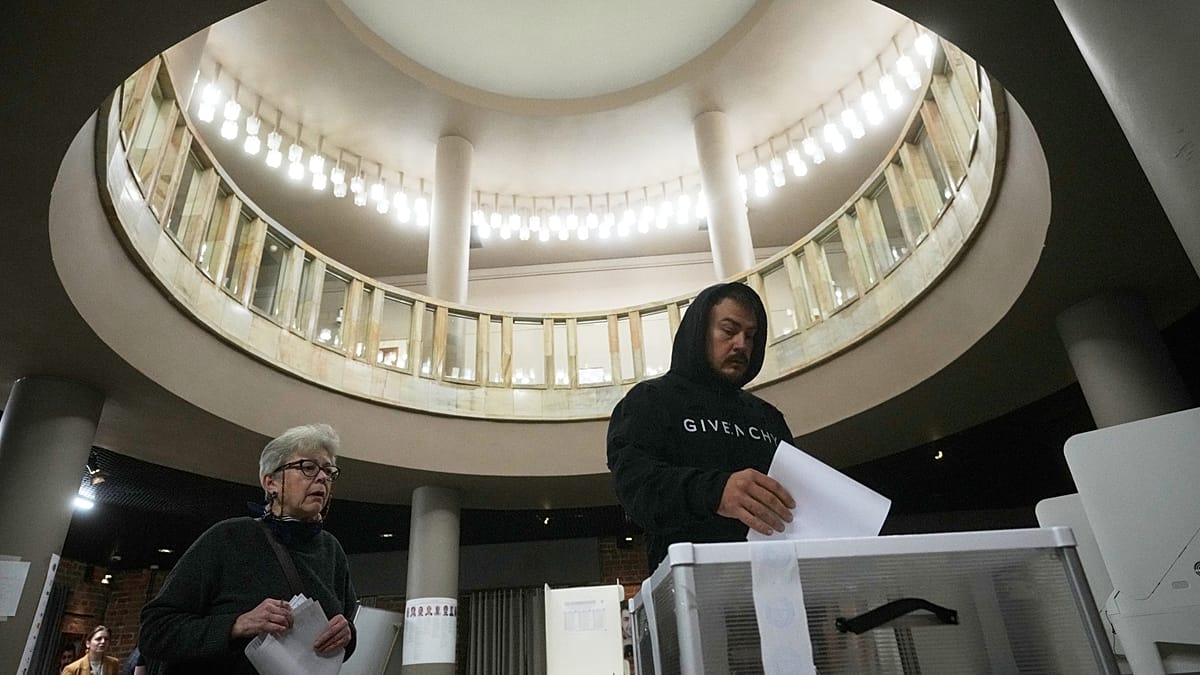
Russians headed to polling stations on Sunday for the final day of parliamentary elections, a vote that is widely expected to reaffirm the dominance of United Russia, the party that has controlled the State Duma since 2003. The election is the first since Moscow's full-scale invasion of Ukraine in February 2022, and while it offers a rare glimpse into public sentiment, the outcome is all but predetermined.
A vote under tightened control
United Russia has won every parliamentary election since 2003, and this cycle is unlikely to break that streak. The political landscape has been further narrowed by the Supreme Court's decision in August to remove Yabloko, the only party openly opposing the war, from the ballot. Yabloko's candidates can still run in some single-member districts, but the party's ability to campaign has been severely curtailed.
Grigory Yavlinsky, a co-founder of Yabloko, condemned the decision at the time, calling it a refusal to engage with citizens who ask uncomfortable questions. "Barring Yabloko from the elections means refusing to engage in dialogue with people who ask questions that are uncomfortable for the authorities," he said. "We stand for a ceasefire, diplomacy and peace, for the prevention of nuclear war."
On Saturday, the party reported that one of its election observers had lost consciousness after being subjected to force by police in St. Petersburg. It also complained that observers were being denied access to polling stations and that their movements were restricted.
Cyberattacks and drone strikes
The electoral process has been accompanied by reports of significant cyberattacks. Ella Pamfilova, chair of Russia's Central Election Commission, said on Sunday that more than 1,000 waves of distributed denial-of-service (DDoS) attacks had targeted election infrastructure over the past few days. "The level of impact is assessed as very high," she told Interfax, adding that the attacks appeared to be the work of "highly professional, well-coordinated groups using artificial intelligence tools."
The vote also unfolded against the backdrop of what Moscow's governor, Sergey Sobyanin, described as the "largest-scale attack" on the capital since the war began. Russian air defences reportedly shot down more than 1,600 drones across the country since Saturday, with 450 heading towards Moscow. Several drones reached the Moscow refinery, and one struck a residential building, though no fatalities were reported in the city. In the wider Moscow region, Governor Andrey Vorobyov said two people had been killed.
Sobyanin accused Ukraine of attempting to "disrupt" the elections with the attacks. Ukrainian President Volodymyr Zelenskyy confirmed that Ukraine had targeted the Moscow region overnight, saying a "key" oil industry facility and a logistics facility were hit. "Our long-range responses had a very significant impact in the Moscow region last night," he wrote on X, adding that Russia had launched over 2,000 attack drones, 1,700 aerial bombs, and 19 missiles against Ukraine this week.
The election comes amid growing concerns about the war's impact on ordinary Russians. Many are fleeing the country before the vote ends, fearing a new wave of mobilisation. The Kremlin has not announced a new draft, but the possibility looms large for many families.
Meanwhile, the war continues to exact a heavy toll on Ukraine. Recent Russian strikes across Ukraine have killed at least 11 people and wounded dozens more in a 24-hour period, and strikes on Kyiv and Kharkiv have become a grim routine. The human cost of the conflict remains a central concern for European observers, who see the election as a reminder of the Kremlin's tightening grip on domestic politics.
For now, the parliamentary vote is set to deliver a familiar result, but the circumstances surrounding it—barred opposition, cyberattacks, and drone strikes—underscore the fragile state of Russian democracy and the ongoing reverberations of the war across Europe.