Saudi Arabia launched a series of airstrikes on Tuesday against Houthi targets in Yemen, responding to what officials described as the heaviest cross-border attack in years. The overnight barrage, which struck Abha International Airport, King Khalid Air Base, and Aramco facilities, injured 73 people and forced temporary shutdowns at several oil sites, according to Saudi authorities.
The exchange marks a sharp escalation in a conflict that had largely been dormant since a fragile truce collapsed in July. The renewed hostilities come amid heightened tensions across the region, with the United States and Iran engaged in a broader confrontation that has drawn in multiple proxies.
Strikes and counter-strikes
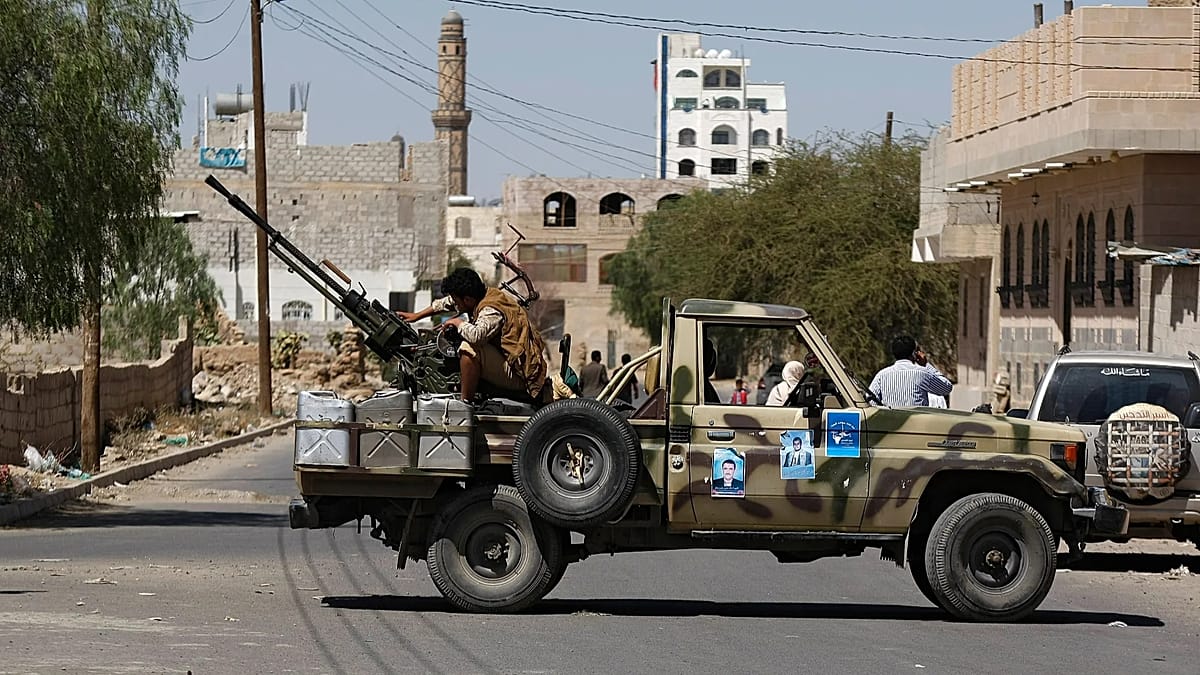
Saudi warplanes hit targets in Taiz province, where fierce fighting has raged for days, and in Marib province, according to the Houthi-run Almasirah TV. There was no immediate official comment from Riyadh, but Saudi officials had vowed to respond to the attacks.
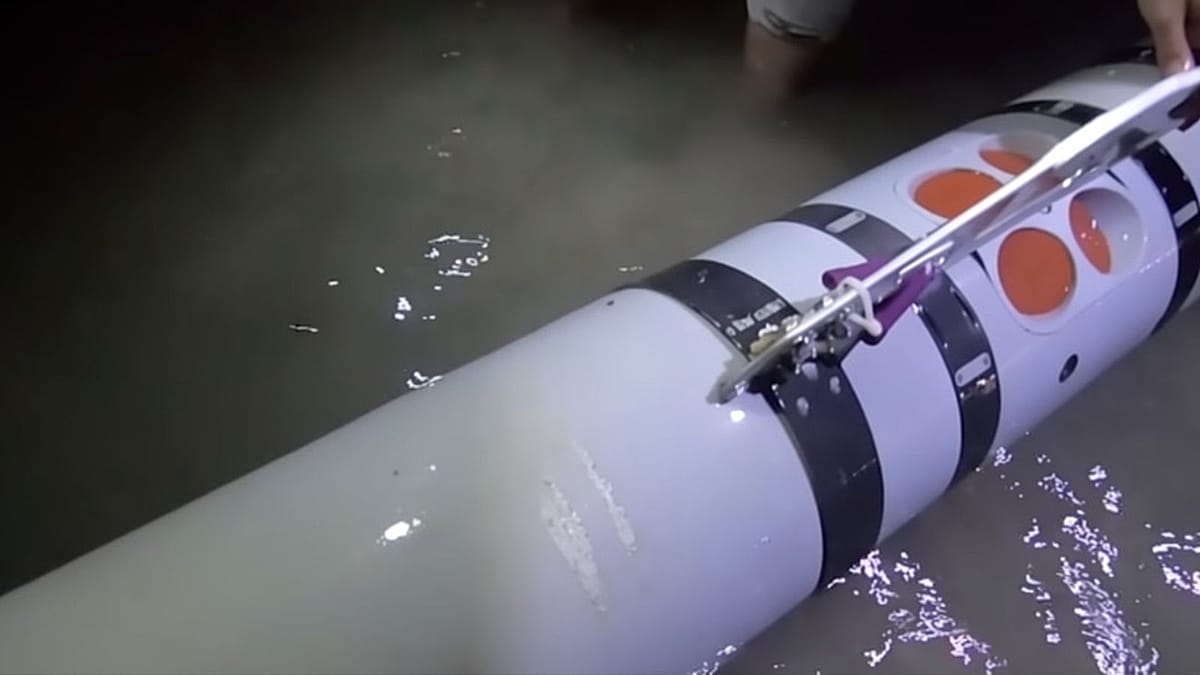
The Houthis, formally known as Ansar Allah, claimed they fired dozens of ballistic missiles, hitting the airport, the air base, and Aramco facilities in Abha and Jizan. An energy ministry source told the Saudi Press Agency that "several energy sector facilities and installations" in the south were targeted, causing fires and a temporary halt in some operations.
Jizan, on the Red Sea coast near the Yemeni border, hosts one of Saudi Arabia's largest refineries, with a capacity of 400,000 barrels per day. According to maritime tracking firm Kpler, the refinery had already been out of action for weeks following earlier Houthi attacks.
The Houthis said the strikes were revenge for a Saudi attack on a prison that killed 11 people and left 20 inmates missing, as reported by Almasirah TV.
Diplomatic overtures and military readiness
Saudi Foreign Minister Prince Faisal bin Farhan said the door to diplomacy remained open, but stressed that Riyadh would defend itself. "The Kingdom will always support peace and diplomatic solutions," he told a press conference in Moscow. "However, (Saudi Arabia) will not hesitate to defend itself, protect its interests, and support measures that secure the interests, security, and stability of brotherly Yemen."
The Saudi-led coalition, which has been fighting the Houthis on behalf of Yemen's internationally recognised government since 2015, said it would "take all necessary measures and actions to respond to the sources of the threat and neutralise its danger."
Regional implications and oil markets
The attacks have added to a rapidly deteriorating situation in Yemen, where hundreds have died in recent days as the Houthis attempt to capture territory near the Bab al-Mandeb strait. The strait, whose name means "Gate of Tears" in Arabic, connects the Red Sea to the Gulf of Aden and carries roughly 12% of global maritime trade. The Houthis, who control about one-third of Yemen's territory, including its most densely populated areas, are vying to seize the narrow waterway, which has become increasingly important for oil shipments after Iran blockaded the Strait of Hormuz.
Houthi attacks on Saudi oil infrastructure and tankers have contributed to a spike in oil prices, which leapt towards $100 a barrel on Tuesday. The disruption in the Red Sea route could have significant implications for global energy markets, and for European consumers who rely on Middle Eastern oil.
Andreas Krieg, a Gulf expert from King's College London, said the Houthi attacks create an "extremely uncomfortable dilemma" for Crown Prince Mohammed bin Salman, the de facto Saudi ruler. After years of trying to withdraw from the Yemen war, "restraint now carries the risk of allowing the Houthis to dictate the spiral of escalation," he said.
"Saudi Arabia's immediate response is likely to remain measured, involving airstrikes, intelligence support, and the reinforcement of Yemeni government forces," Krieg added. "Should attacks on Saudi cities persist, maintaining this restraint will become increasingly difficult. In effect, the Houthis are testing exactly where Riyadh's true red line now lies."
The Houthis, part of Tehran's so-called Axis of Resistance, are backed, trained, and equipped by Iran's Islamic Revolutionary Guard Corps. The group came to power in late 2014 after storming Sana'a and seizing the presidential palace, forcing the Yemeni government into exile. While they do not control the coastline along Bab el-Mandeb, they hold territory less than 100 kilometres away.
The escalation in Yemen comes as Europe faces its own security challenges, with Lithuania warning that Russia is likely to escalate attacks on the EU and Europe uniting against Russian hybrid attacks. The instability in the Gulf could further strain global supply chains and energy security, adding to the pressures already felt across the continent.