South Korea's National Intelligence Service (NIS) believes Ukrainian President Volodymyr Zelenskyy may have deliberately publicized the transfer of two captured North Korean soldiers to Seoul, aiming to build public support in South Korea for providing lethal aid to Ukraine. The assessment was shared by lawmaker Yoo Yeong-ha on Wednesday, citing the agency's analysis.
Zelenskyy announced last week that Ukraine had handed over two North Korean soldiers to South Korea, describing them as "not easy to capture alive." The statement, made at the United Nations, drew a sharp rebuke from Seoul, which had insisted on strict confidentiality to protect the soldiers' families from potential reprisals in North Korea.
On Monday, South Korea summoned Ukraine's ambassador to express "serious concerns" over the disclosure. Lawmaker Yoo told reporters that the NIS believes Zelenskyy "may have decided to disclose the transfer" in the hope that it would "generate public support in Seoul for providing Ukraine with weapons and other forms of assistance."
POWs arrive in South Korea
According to lawmaker Youn Kun-young, the two North Korean soldiers arrived in South Korea from Ukraine in mid-September. They are "in generally good health, with no major health concerns," he said, adding that their "willingness to come to South Korea was confirmed several times," based on NIS briefings.
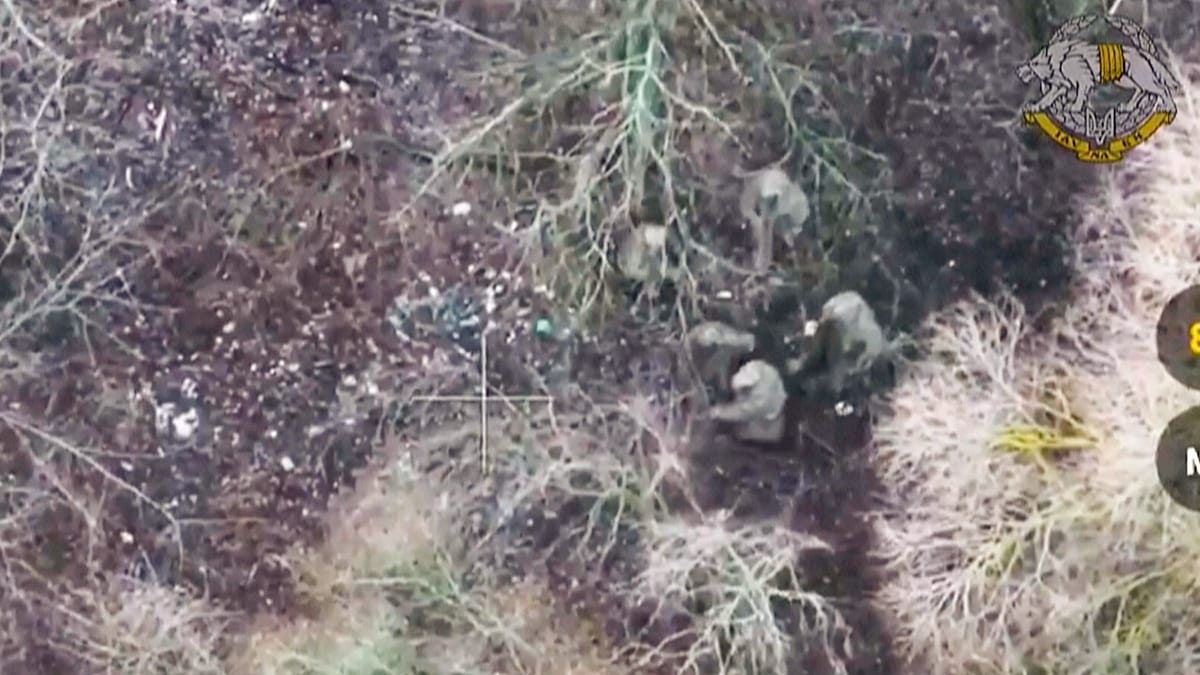
The soldiers were captured by Ukrainian forces in early 2024 while fighting alongside Russian troops. One of them told South Korean media that he had been conscripted at age 17 and served in a reconnaissance unit. A previous lawmaker briefing indicated the pair wished to live a "normal life" in the South.
Seoul's foreign ministry had earlier stated that both sides agreed to handle the matter confidentially, citing the personal safety of the individuals and their families. However, lawmaker Yoo clarified on Wednesday that no such agreement existed at the presidential level, but that diplomatic officials had reached a confidentiality understanding during communications.
"From the outset of the discussions, the Ukrainian side proactively requested strict confidentiality, citing concerns about the potential impact on future prisoner exchanges (with Russia)," Yoo added.
Strain on arms negotiations
The controversy risks complicating Kyiv's requests for armaments from Seoul. South Korea has so far refrained from providing lethal weapons to Ukraine, citing a domestic law that prohibits military aid to countries at war. However, Seoul has been considering requests for defensive equipment, particularly since North Korea deployed troops to support Russia in countering Ukraine's incursion into the Kursk region in 2024.
The incident also highlights the delicate balance South Korea maintains in its relations with both Moscow and Kyiv. While Seoul has joined international sanctions against Russia, it has avoided direct military involvement. The disclosure has prompted Seoul to demand an apology from Kyiv, further straining ties.
Analysts note that Zelenskyy's move may reflect Ukraine's urgent need for more military support, especially as it faces budget constraints and ongoing battlefield pressures. The Ukrainian president has repeatedly appealed to allies for advanced weaponry, including air defense systems and long-range missiles.
The NIS's assessment underscores the growing complexity of the conflict's international dimensions, with North Korean soldiers fighting in Europe and now becoming a diplomatic bargaining chip. The situation also raises questions about the treatment of POWs and the ethical implications of using them for political leverage.
As the war in Ukraine continues, the episode serves as a reminder of the interconnectedness of global security issues, from the Korean Peninsula to the battlefields of Eastern Europe. For now, South Korea's position on lethal aid remains unchanged, but the pressure on Seoul to reconsider its stance is likely to intensify.