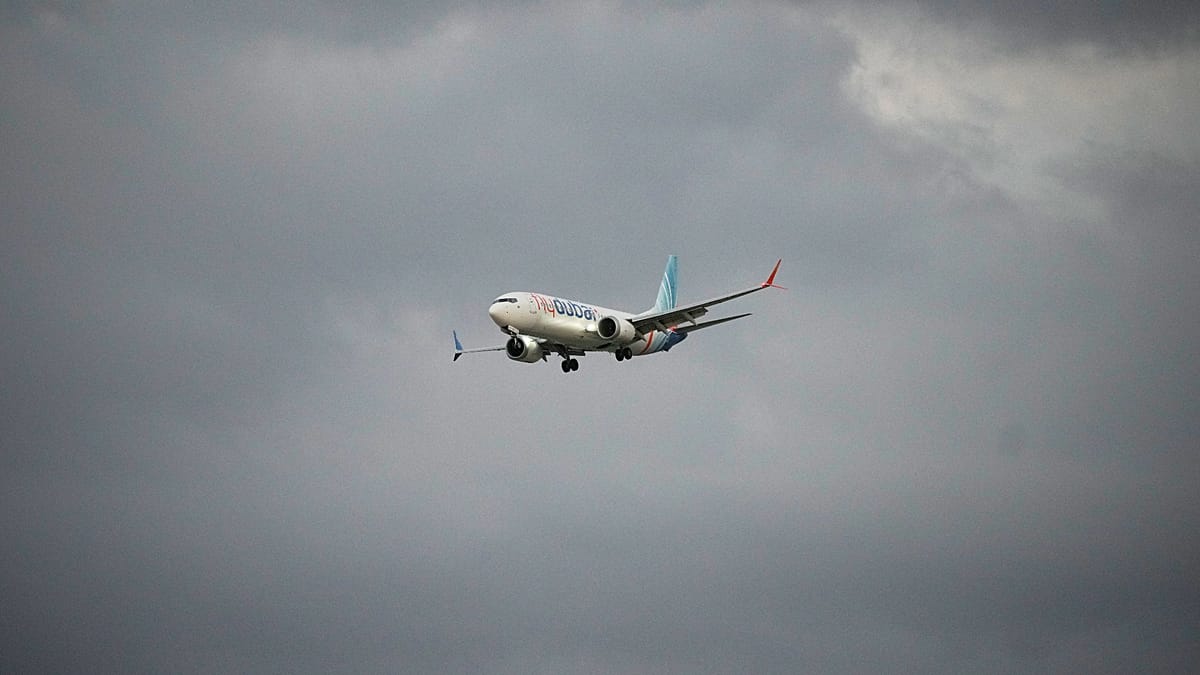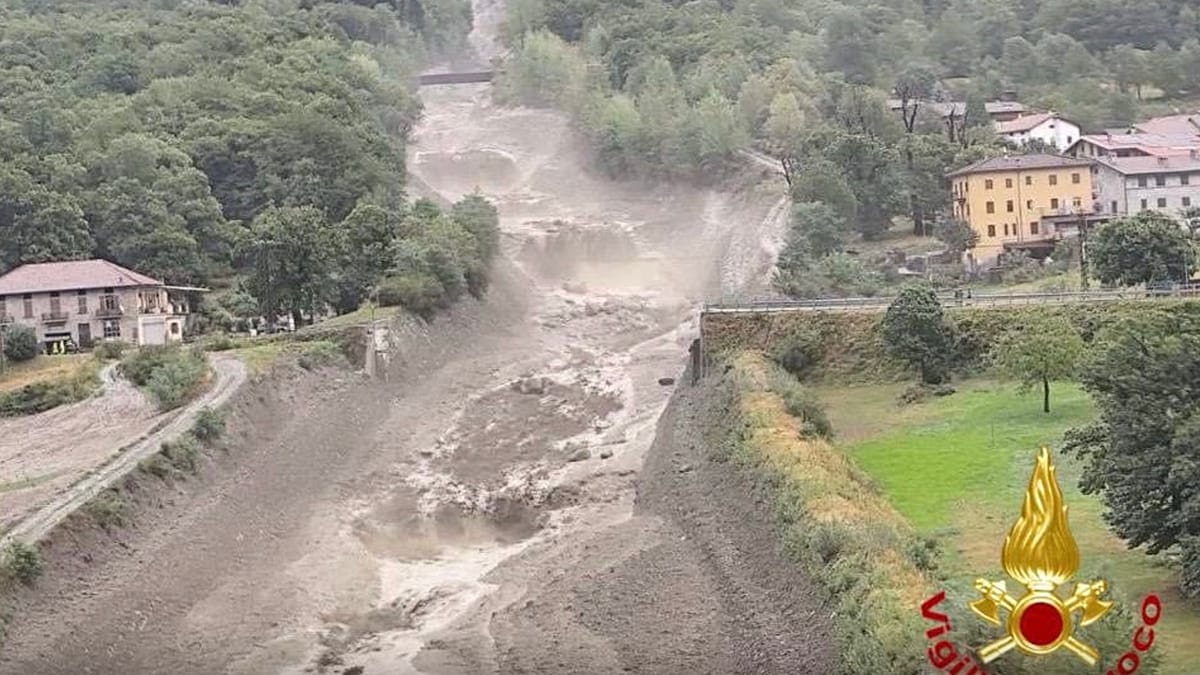
After weeks of oppressive heat, northern Italy was hit by a violent weather front that brought torrential rain, gale-force winds and intense lightning to Liguria, Lombardy and northern Tuscany. The sudden shift caused flooding, damage to infrastructure and forced hundreds of people to evacuate.
The storm system was fueled by a marine heatwave that pushed Mediterranean sea temperatures above 33°C off the Spanish island of Majorca, according to data from a buoy operated by Spain's Aemet meteorological agency. When cooler, unstable air collided with the lingering hot air over northern Italy, the moisture picked up from the sea triggered some of the most extreme weather of the late summer.
Liguria: 40,000 lightning strikes and a train hit
Liguria bore the brunt of the storms. The Civil Protection agency reported around 40,000 lightning strikes in 24 hours. One strike hit a Frecciabianca train that had just left Genoa for Rome, forcing it to stop and passengers to disembark. Another struck the railway traffic control centre at Ventimiglia station, suspending train services in the western part of the region.
In the regional capital, the storms caused significant damage to seaside facilities, particularly between Cogoleto and Arenzano, where cabins, sunbeds and parasols were swept away by the wind. Agriculture also suffered heavy losses. The farmers' association Coldiretti described the situation in the Tigullio hinterland as "alarming," especially for olive growing: "The picture that emerges is that of a year compromised for the olive harvest, and we are receiving reports of losses in the wine-growing sector as well."
Off the Tigullio coast, a supercell formed, bringing extraordinary rainfall in minutes. Within 24 hours, 200 millimetres fell on Chiavari and Lavagna, while a waterspout developed off Rapallo. Streets were flooded in all three municipalities, damaging infrastructure and shops. Trees came down on the hills above Sestri Levante.
Tuscany and Lombardy: tornadoes, debris flows and evacuations
In northern Tuscany, more than 23,000 lightning strikes were recorded. The Lamma Consortium reported that "in twelve hours, rainfall totals of 60–70 millimetres were recorded in the provinces of Massa Carrara, Lucca and Grosseto, and 40–50 mm in the provinces of Siena, Pisa and Livorno." Winds gusted up to 106 km/h on the Pisa coast, 103 km/h in the province of Florence, 93 km/h on Gorgona, 92 km/h in Viareggio and 86 km/h in the Arezzo area. In Grosseto, a tornado ripped off the roof of a building.
In Lombardy, the provinces of Brescia, Sondrio and Bergamo were hardest hit. In Sonico, a debris flow from Val Rabbia carried water, boulders and rubble onto state road 42 to the Tonale Pass, causing a bridge to collapse. In the Bergamo area, around 350 people were evacuated. On the Orobic Alps, near Lake Como, rainfall totals reached 250 millimetres, according to the Lombardy regional hydrometeorological and climate centre at Arpa.
In Alta Val Brembana, also in the province of Bergamo, a slope collapsed along a provincial road, while falling trees damaged parked cars. On the morning of Friday 21 August, six municipalities (Valleve, Carona, Foppolo, Branzi, Valbondione and Gandellino) were still cut off. A campsite at Isola di Fondra was evacuated because of the risk of a possible landslide.
Climate change and the future of extreme weather
While specific attribution studies are needed to link any single event directly to global warming, scientists have long warned that rising global temperatures—driven by human activity, especially the burning of fossil fuels—will increase the frequency, intensity and duration of extreme weather events. This includes not only heatwaves, drought and wildfires, as seen recently in France and Spain, but also exceptional rainfall and flooding like that which has hit northern Italy.
Europe is warming faster than the global average, increasing the likelihood of such phenomena. According to the European climate monitoring service Copernicus, the record for average temperature for the June–July period, set in 2022, was broken this year because of the extreme heatwaves that affected western Europe since the end of May, pushing the two-month average up to 21.62°C.
The recent storms are a stark reminder that the continent's climate is becoming more volatile. As Italy's Po River hits historic lows and Swiss releases prop up Lake Maggiore amid the ongoing water crisis, the contrast between drought and deluge is becoming ever more pronounced. The damage in Liguria, Lombardy and Tuscany underscores the urgent need for adaptation and resilience across the region.