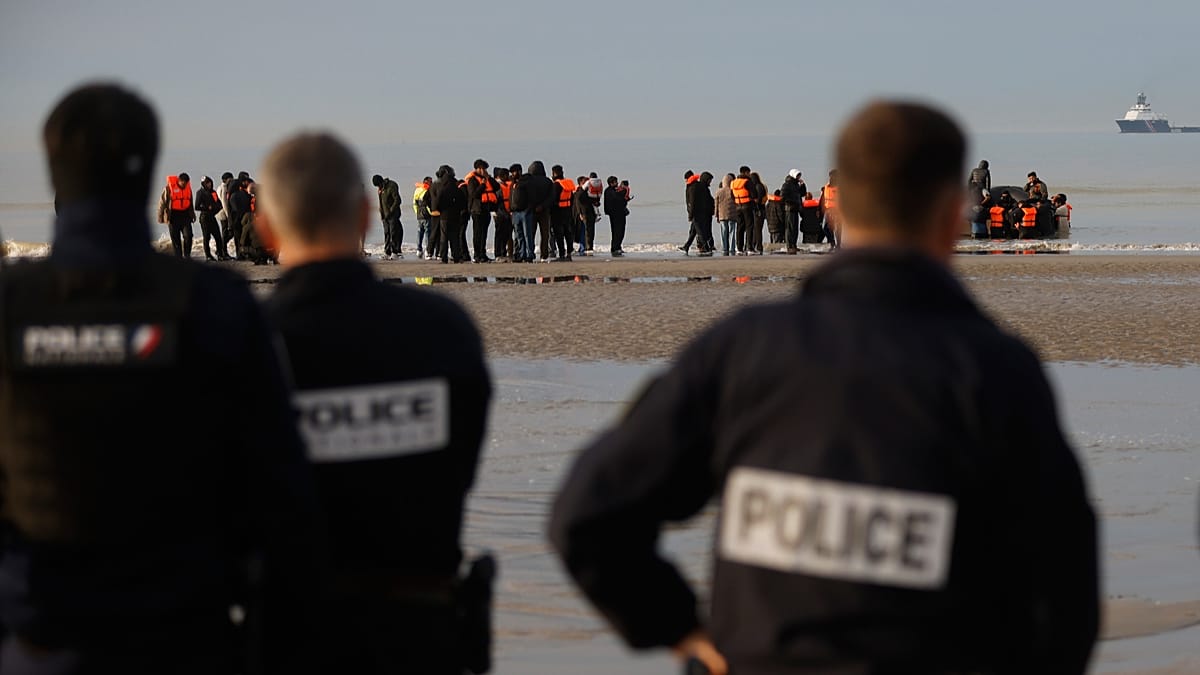
British police have arrested six people after an anti-immigration demonstration in the southern coastal town of Gosport turned hostile, as a migrant boat that spent 36 hours at sea finally reached UK shores. The protest, which drew around 200 people, some wearing face coverings, was aimed at preventing the arrival of asylum seekers, according to UK media reports.
The vessel in question, a flimsy dinghy carrying 51 migrants, had been tracked for more than a day and a half as it made its perilous journey across the English Channel. French authorities said the boat was "ill-suited" for the crossing and that migrants on board had refused assistance, being "determined to take all risks to reach the United Kingdom." The dinghy eventually landed in Dover, in the southeast of England, rather than in Gosport, where the protest had gathered.
The French government's Maritime Prefecture of the Channel and the North Sea issued a statement noting that the occupants had spent "more than 33 hours at sea in precarious conditions." The prolonged crossing highlights the increasingly desperate measures migrants are taking as French and British authorities intensify their crackdown on Channel crossings.
New routes and larger boats
In recent months, migrants have adopted new strategies to evade patrols, including using larger dinghies and departing from points further west along the French coast, where border surveillance is less dense. This shift has pushed some arrivals to areas of the UK that were previously rarely affected, such as Hampshire, where the port of Portsmouth saw a large protest earlier this month.
Authorities in Hampshire are concerned that the county is becoming a new landing point for small boats, which traditionally arrive further east in Kent, where the crossing distance is shorter. The change in tactics has fueled renewed anger in parts of England, with anti-immigrant groups mobilizing to disrupt arrivals.
The Gosport protest, which police said "became hostile towards officers," resulted in six arrests. The demonstration reflects a broader trend of public unrest over migration, a issue that has bolstered support for the hard-right Reform UK party. The party has made reducing immigration a central plank of its platform, tapping into public anxiety over the strain on public services and cultural change.
Despite the recent tensions, official figures show a decline in overall crossings. The Home Office reported in early September that the number of crossings in August had fallen to their lowest level since records began in 2018, with migrant arrivals also at their lowest number since 2020. However, the average number of passengers per boat has increased, suggesting that smugglers are packing more people into each vessel to maximize profits.
As of Sunday, Home Office data indicates that 17,480 migrants have crossed the Channel in small boats since the beginning of the year. The ongoing arrivals have prompted calls for more robust action, including proposals to process asylum claims offshore. Greece has urged the EU to fund offshore return hubs, a proposal that has sparked debate among member states about the balance between deterrence and humanitarian obligations.
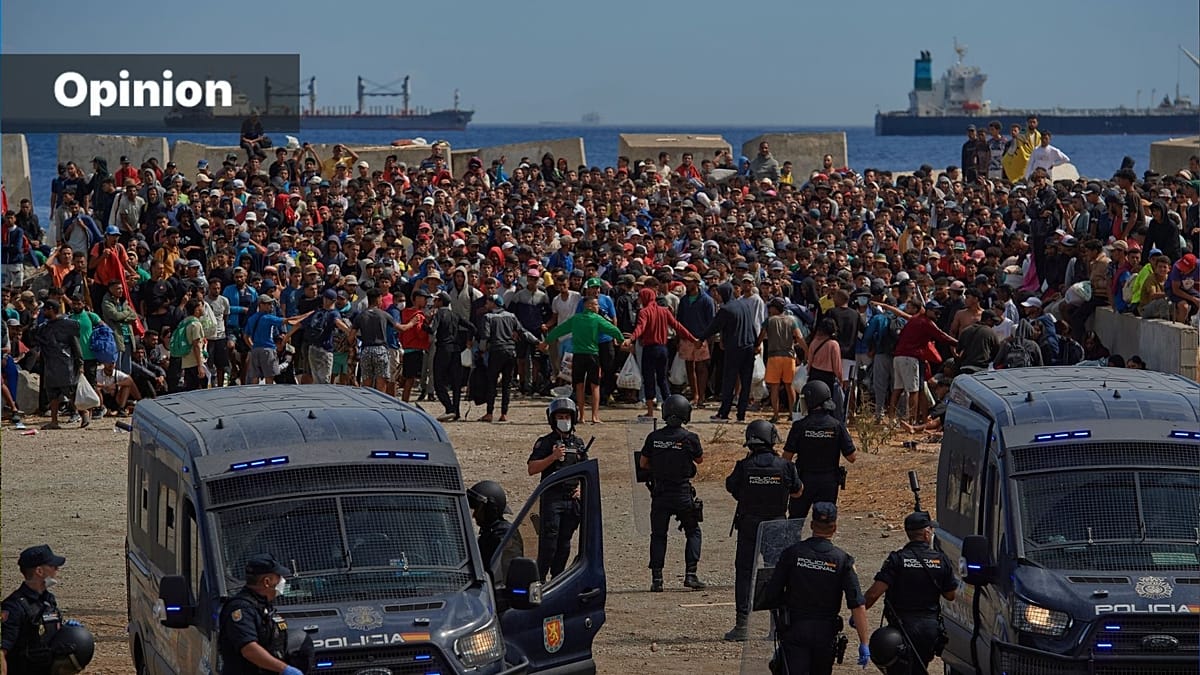
The situation in the Channel is part of a wider European challenge. In Ceuta, a new migrant camp has overflowed, sending thousands back to beaches, while the US has deported 25,000 migrants to third countries under secret deals, raising questions about the ethics of such arrangements. European nations are grappling with how to manage migration while upholding human rights standards.
The UK government has repeatedly vowed to stop the boats, but the problem persists. The use of larger vessels and new departure points complicates enforcement efforts. French authorities say they are facing "increased" pressure as they try to intercept departures along a longer stretch of coastline.
For the migrants who risk their lives in these crossings, the journey is fraught with danger. The 36-hour ordeal of the Gosport-bound dinghy is a stark reminder of the perils involved. Many are fleeing conflict, persecution, or economic hardship, and see the UK as a destination of hope. Yet the political climate in Britain is increasingly hostile, with protests and arrests becoming a common feature of the migration debate.
As Europe watches, the Channel remains a flashpoint for the continent's broader migration dilemma. The EU has struggled to find a common approach, with member states divided over burden-sharing and border controls. Latvia's prime minister has warned against 'cherry-picking' sanctions, a reminder that unity is fragile even on other policy fronts. The challenge of migration will likely persist, testing the resolve of European governments to find humane and effective solutions.