Six French nationals suspected of having fought for the Islamic State (IS) group appeared before a Baghdad court on Sunday morning, marking the start of a trial that could end in the death penalty. The next hearing is scheduled for 5 October, leaving the defendants and their legal teams little time to prepare a robust defence.
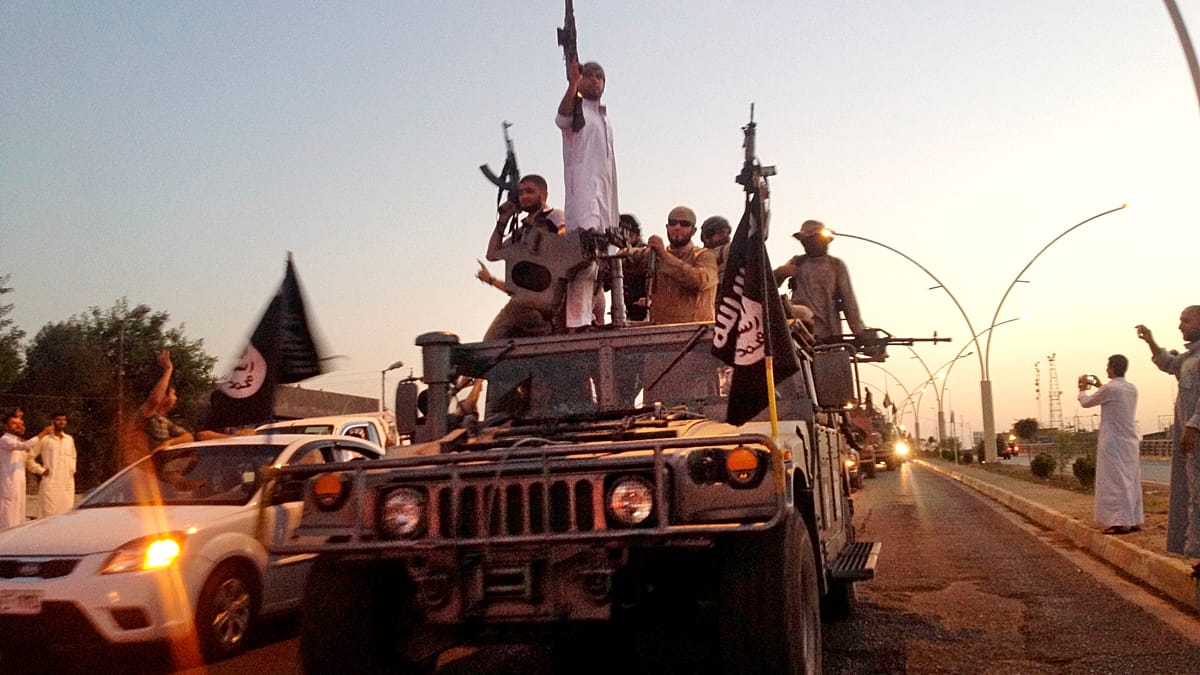
The men are among a larger group of 47 French citizens who were transferred from Syria to Iraq last year, where Iraqi authorities already held numerous suspected IS members. According to investigators, the six men travelled from France via Turkey, crossed into Syria, and joined the jihadist group before being captured by Kurdish-led forces between 2018 and 2019, as the so-called caliphate collapsed.
Iraqi prosecutors have charged them with membership in a terrorist organisation, a crime that carries the death penalty under Iraqi law. The court has framed the charges as crimes “against Iraq and the Iraqi people,” reflecting the severity with which Baghdad treats foreign fighters who once operated within its borders.
Lawyers demand repatriation
Defence lawyers are contesting the trial’s legitimacy, arguing that the proceedings are being conducted too quickly and that their clients have not been given adequate time to mount a proper defence. They are calling for the six men to be repatriated to France, where they could face trial under French law. Similar requests have been made in previous cases involving French IS suspects held in Iraq, but Paris has so far declined to bring them home, citing security concerns and the difficulty of prosecuting crimes committed in conflict zones.
The group of 47 French nationals transferred to Iraq last year included the man who claimed responsibility for the 2016 attack in Nice, which killed 86 people. That individual is not among the six currently on trial, but his presence in the group underscores the gravity of the cases Baghdad is handling.
Iraqi courts have been notably harsh with foreign fighters. Since the defeat of IS in Iraq in 2017, hundreds of people convicted of terrorist offences have been sentenced to death or life imprisonment. In 2019, eleven French nationals received death sentences, though those were later commuted to life terms. The current trial will be closely watched by human rights groups and European governments, which have repeatedly expressed concern about the fairness of Iraqi judicial proceedings.
Regional and diplomatic context
The trial opens just a week after Iraqi Prime Minister Ali Al-Zaïdi visited Paris, where he met President Emmanuel Macron at the Élysée Palace. The two leaders discussed strengthening the strategic partnership between France and Iraq, with a particular focus on security and defence cooperation. A joint statement issued after the visit affirmed their shared commitment to “relentlessly combat terrorism and prevent any resurgence of Daesh, with full respect for each other's sovereignty.”
Al-Zaïdi expressed gratitude for France’s continued support in the fight against IS, while both sides called for “respect for international law and the use of diplomatic solutions” to address regional crises. The visit underscored the delicate balance France maintains: cooperating with Baghdad on counter-terrorism while facing domestic pressure to repatriate its citizens who joined IS.
The broader context is troubling. In February, the United States transferred more than 5,700 suspected IS members from over 60 countries to Iraqi custody, after they had spent years in detention in Syria. That move has raised questions about the legal fate of these individuals and the capacity of Iraqi courts to handle such a large caseload. In April, Iraq released two foreign nationals—one from Finland and one from the United States—after they were acquitted, but such outcomes remain rare.
For the six Frenchmen now on trial, the stakes could not be higher. If convicted, they face execution, a prospect that has drawn criticism from European legal experts who argue that Iraqi trials often lack the procedural safeguards expected in European jurisdictions. Their lawyers are expected to press the argument that their clients should be tried in France, where they could receive a fair hearing and, if convicted, serve prison sentences rather than face the death penalty.
The case also highlights the ongoing challenge for European countries in dealing with citizens who travelled to Syria and Iraq to join IS. While some have been repatriated and prosecuted at home, others remain in detention in the region, caught in a legal limbo that shows no sign of resolution. As the trial proceeds, European capitals will be watching closely, aware that the outcome could set a precedent for how other foreign fighters are handled.