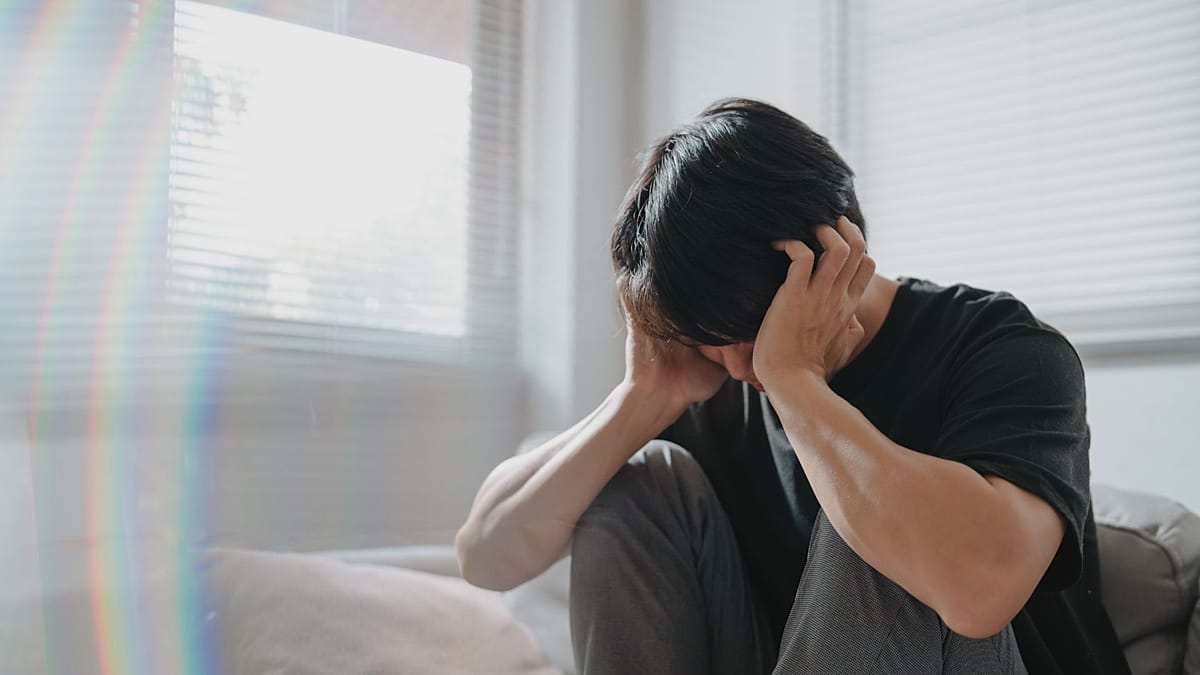
As summer holidays offer European teenagers a chance to reset after a demanding school year, new research suggests that the quality of their sleep may be more influential on their academic and social lives than how much time they spend on screens, how often they exercise, or what they eat.
The study, led by researchers at the University of California, Davis, analyzed data from more than 6,000 participants for academic performance and over 7,000 for social problems, focusing on children aged 10 to 13. The findings, published in the journal Sleep Health, indicate that sleep quality is a key pathway through which early mental health symptoms translate into poorer school performance and social difficulties.
“We expected sleep to be important, but we didn’t expect it to stand out so clearly above other lifestyle factors, particularly screen time,” said Jason Smucny, the study’s first author.
The researchers examined how four lifestyle factors—sleep quality, screen time, physical activity, and diet—affected the link between mental health and academic and social skills. They found that adolescents with symptoms of depression, anxiety, or psychotic-like experiences tended to perform worse academically and socially. However, much of this association was explained by lifestyle habits, with sleep emerging as the dominant factor.
Why sleep matters so much
The authors point to several mechanisms. Poor sleep is linked to daytime fatigue, attention problems, and reduced executive functioning—all critical for school performance. For social functioning, sleep disruptions can exacerbate social withdrawal and irritability, making it harder for young people to maintain healthy relationships.
“Parents, educators and clinicians understandably focus on symptoms like anxiety and depression,” said Tara Niendam, the study’s senior author. “But what often matters most to young people and their families is how those symptoms affect everyday life—how they perform in school, connect with friends and navigate daily challenges. This study suggests that sleep may be one pathway linking mental health to those real-world outcomes.”
Niendam added that sleep is something families can actively address. “While it won’t solve every mental health challenge, healthy sleep routines are a practical way to support a child’s emotional well-being and day-to-day functioning.”
The findings resonate with broader European research on adolescent well-being. For instance, a study of Italian students found that early social media use is linked to lower grades, and other work has shown that greener streets can improve sleep quality. These studies collectively underscore the importance of environmental and lifestyle factors in shaping young people’s development.
While the study was conducted in the United States, its implications are relevant across Europe, where concerns about adolescent mental health and academic pressure are widespread. From Helsinki to Lisbon, educators and parents are increasingly looking for evidence-based ways to support teenagers. The findings suggest that prioritizing consistent, restful sleep could be a low-cost, high-impact intervention.
The authors caution that the study is observational and cannot prove causation, but the strength of the association is striking. They recommend that schools and families consider sleep as a foundational pillar of adolescent health, alongside nutrition and physical activity.
As summer holidays draw to a close, the message is clear: helping teenagers establish healthy sleep routines may be one of the most effective ways to boost their academic performance and social well-being in the coming school year.