New research from Durham University suggests that natural climate shocks, such as volcanic eruptions and reduced solar activity, may have played a larger role in childhood vitamin D deficiency during the Industrial Revolution than previously recognized. The findings, based on teeth from a centuries-old cemetery in northeast England, challenge the long-held assumption that urbanization and pollution were the primary drivers of rickets in that era.
Re-examining the Coach Lane cemetery
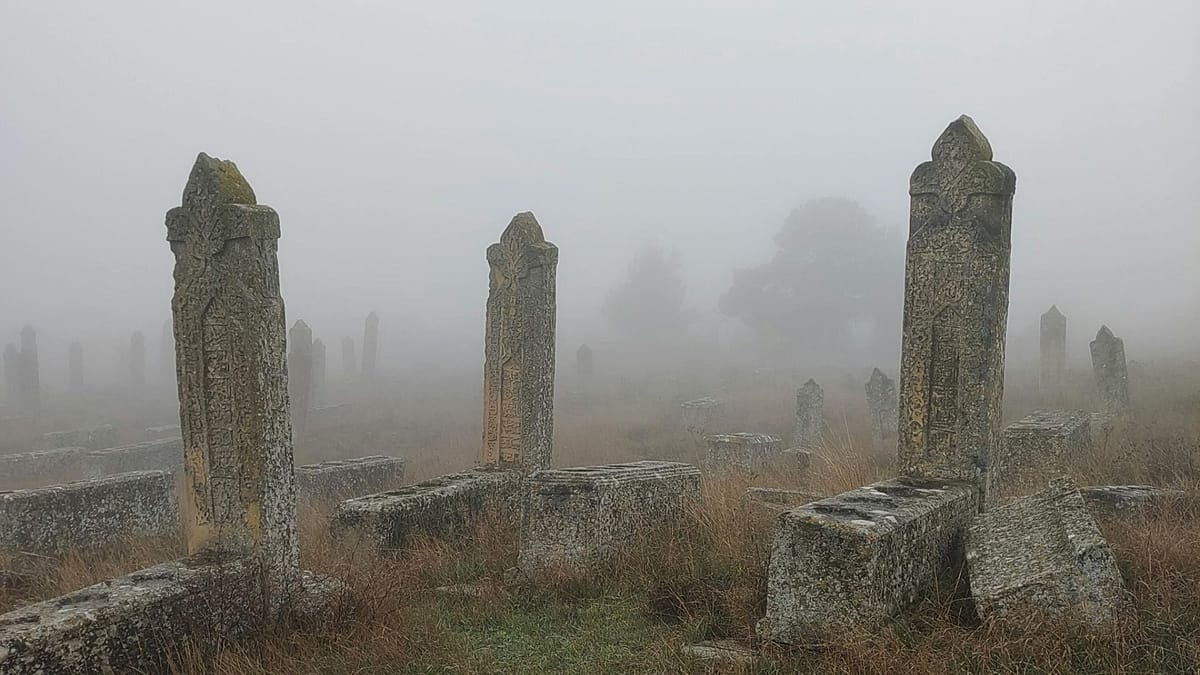
The study focused on the Coach Lane cemetery in North Shields, a site used between 1711 and 1829, when the region was transitioning from a fishing village to an industrial port. Researchers analyzed 30 teeth from 21 individuals, examining defects in dentin—the inner layer of the tooth—that indicate failures in mineralization. These defects, when occurring at regular intervals, can point to seasonal vitamin D shortages.
Dr. Ellen Kendall, an archaeological researcher at Durham University and lead author of the study, explained that the burial registers allowed the team to reconstruct the climatic context of the community. "Realising that burial registers would allow us to reconsider the climatic chronology of this population felt like a new approach to understanding historical childhood vitamin D deficiency," she said.
Previous skeletal studies at the site had found rickets in 44% of the young individuals examined, a condition where the growing skeleton fails to mineralize properly. The new analysis suggests that climate variability—particularly during the Little Ice Age, which lasted from around the 13th to the 19th centuries—may have been a contributing factor.
Climate shocks and UV availability
The Little Ice Age was marked by dips in solar activity and frequent volcanic eruptions, which released aerosols that blocked sunlight. The researchers hypothesize that these natural events reduced the UVB radiation reaching the ground, limiting the skin's ability to produce vitamin D. Additionally, colder, wetter summers likely kept children indoors and heavily clothed, further reducing sun exposure.
Of the 109 community members with known birth years, 91 were born during or within 10 years after a major volcanic eruption, and 41 were born during periods when low solar output and volcanic activity co-occurred. While the study does not quantify the exact impact on UV levels, Dr. Kendall said the team is "fairly confident" that climate was an important factor, particularly through its influence on behavior.
The researchers stress that climate was not the sole or primary cause of vitamin D deficiency. "UV availability, rainfall and temperature interacted with class, diet, occupation, latitude and pollution," they note. The study argues that climate has been overshadowed by industrialization and urbanization in previous explanations.
Lessons for today
Dr. Kendall emphasized that climate instability is not a new challenge. "We think of climate instability as a modern challenge, but it’s really nothing new as human problems go," she said. "Whether it’s pandemics, economic crises or climate change, it’s important to understand the ways that people have adapted to similar issues in the past and use that information to help people thrive in the future."
The findings add to a growing body of research on how climate variability affects health, a topic that remains relevant today. As Europe grapples with the health impacts of climate change, the Lancet has urged the WHO to declare climate change a health emergency. Meanwhile, Europe's climate data gap highlights the need for better understanding of these links.
The study, published in the journal American Journal of Biological Anthropology, underscores the importance of considering both natural and human-caused climate variability in historical health research. As Dr. Kendall noted, "Archaeology doesn’t often offer certainties," but the evidence points to a more complex interplay of factors than previously thought.