For many travellers, Spain means sun-drenched coasts or the urban energy of Barcelona and Madrid. But there is another Spain, quieter and more contemplative, hidden in the folds of the Pyrenees. This is a journey through the Vall de Boí and the Val d’Aran, where Romanesque churches, glacial lakes, and stone villages invite you to slow down and breathe.
Why the Pyrenees are perfect for a coolcation
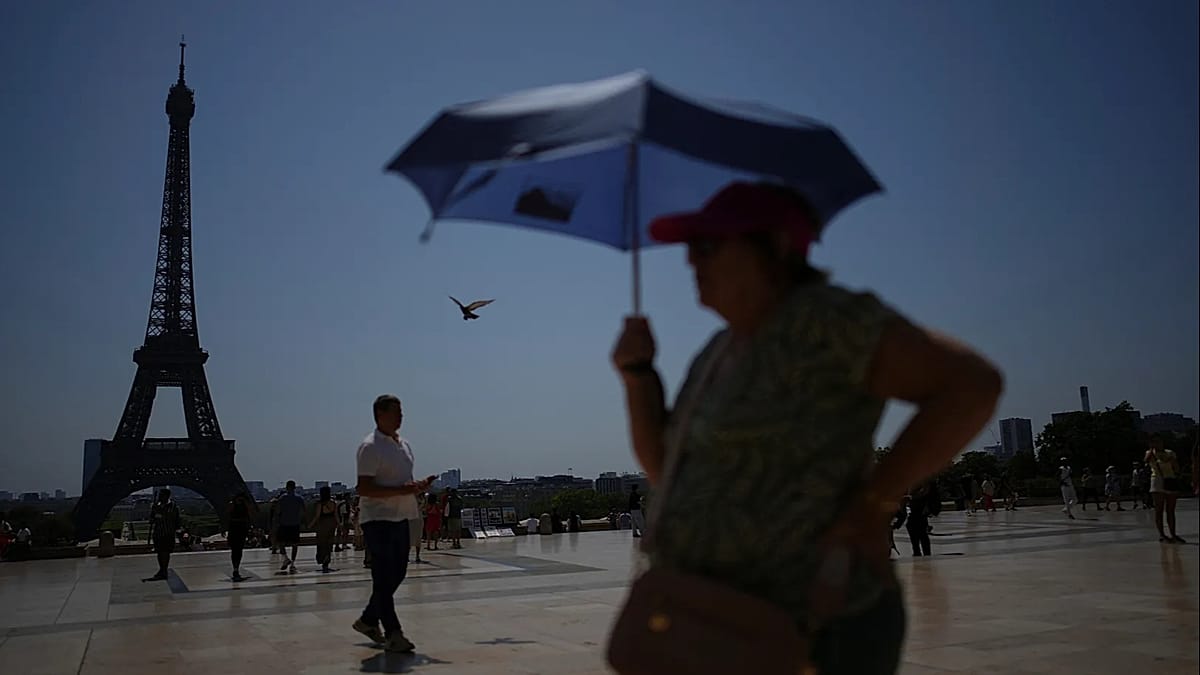
Flying into Barcelona from London in mid-August, we braced for heatwaves. But the Vall de Boí, at around 1,500 metres, delivered a perfect summer climate: warm days, cool nights, and the occasional thunderstorm rolling over the peaks. It’s a reminder that Europe’s mountains offer a natural escape from rising temperatures across the continent.
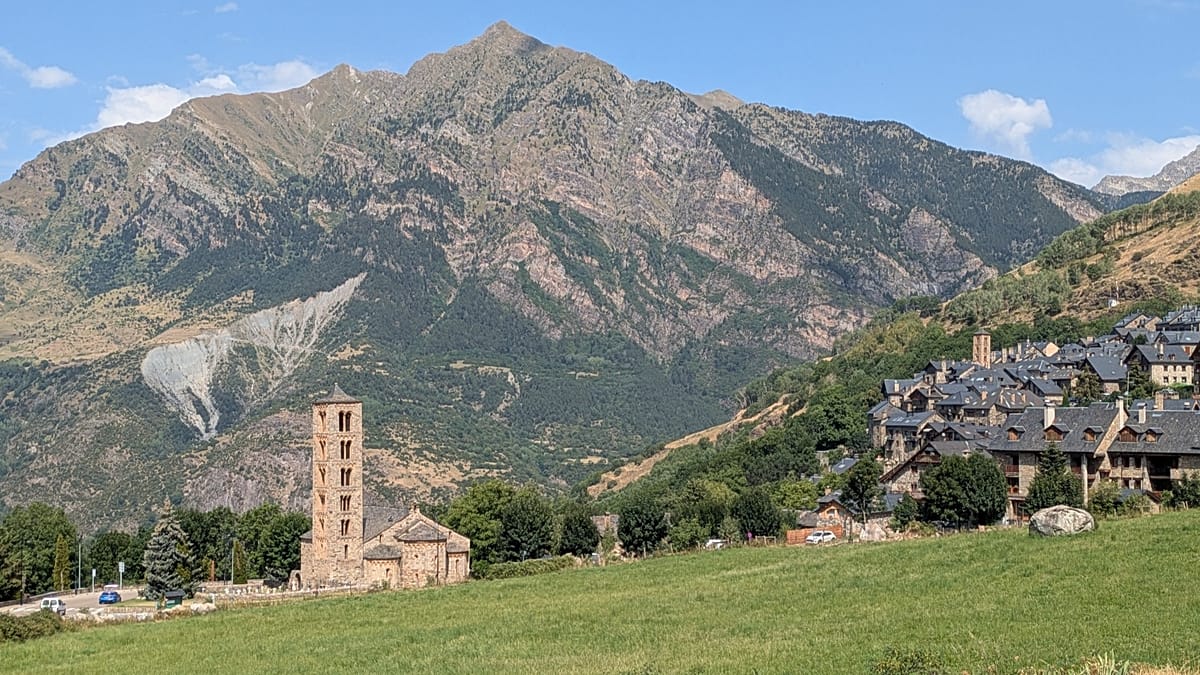
Our base was Taüll, a small village on the edge of the Aigüestortes i Estany de Sant Maurici National Park, Catalonia’s only national park. The village is known for its two UNESCO-listed Romanesque churches, Sant Climent and Santa Maria, which date back to the 12th century. Their simple stone architecture and remarkable frescoes are a testament to the region’s medieval heritage.
From Taüll, you can walk to neighbouring villages. The trail up to Pla de l'Ermita offers sweeping views of the valley, and the descent back gives you a bird’s-eye perspective of Taüll’s rooftops. If you prefer not to hike, there are several restaurants serving local dishes, such as Llesqueria l'Empriu, Tribulosi, and Restaurant El Fai.
For a short but rewarding walk, head to the Santeta Viewpoint. Starting from the Church of Sant Climent, you pass through the village to Santa Maria, then follow a 15-minute trail to a panoramic overlook. From there, you can see the villages of Boí and Erill la Vall spread out below.
The national park itself is a playground for outdoor enthusiasts. Trails lead past lakes and waterfalls, while the Boí Taüll resort offers e-biking and ziplining in summer and skiing in winter. Further down the valley, near El Pont de Suert, you can try rafting and kayaking on the Noguera Ribagorçana river.
Val d’Aran: glacial lakes and mountain villages
About an hour’s drive from Taüll, the Val d’Aran is a separate valley with its own language and culture. It’s home to some of the Pyrenees’ most dramatic scenery, including the Circ de Colomèrs, a glacial basin dotted with nearly 50 lakes. The popular seven-lake circuit covers 5.7 kilometres and takes around five hours, with a few short climbs that reward you with views of turquoise water against grey rock.
The valley’s villages are equally charming. Arties, with its Romanesque church and lively restaurant scene, is a good base. But the real gem is Bagergue, the highest village in the Val d’Aran at 1,419 metres. Its cobbled streets and traditional stone houses feel untouched by time. There’s a cheesemaker and a small museum to visit, and several restaurants serve hearty mountain cuisine.
A detour to Aínsa, a medieval jewel
If you have a car, a day trip to Aínsa is well worth the two-hour drive from Taüll. This medieval town in the Aragonese Pyrenees has a beautifully preserved old town, with a cobbled Plaza Mayor lined with restaurants and shops. The castle’s elevated walkway offers sweeping views of the surrounding mountains, making it a perfect spot for a slow afternoon.
What makes this region special is the pace. There’s no rush to tick off attractions. Instead, you spend your time walking between villages, stopping for lunch on a sunny terrace, or simply watching the light change on the peaks. It’s a form of travel that’s gaining popularity, as more Europeans seek overland journeys that connect with the landscape.
For those who want to extend their trip, the nearby city of Lleida offers a gateway to the region, while Barcelona and San Sebastian remain vibrant bookends. But the Pyrenees themselves are the real destination. Whether you’re a hiker, a history buff, or simply someone who appreciates a good meal with a view, this corner of Spain rewards those who take their time.
As Europe’s summers grow hotter, the Pyrenees stand out as a coolcation destination that combines natural beauty with cultural depth. And with travel rules shifting for EU citizens, exploring closer to home has never been more appealing.