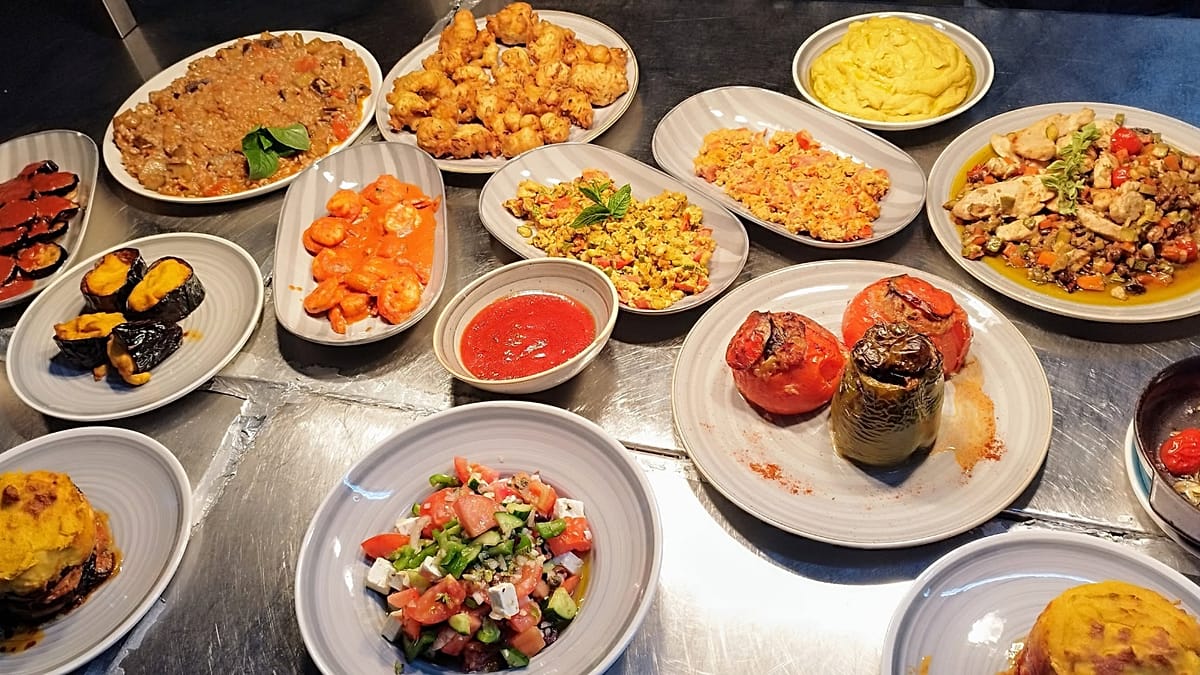
The South Aegean region of Greece has formally submitted its candidacy for the 2028 World Region of Gastronomy title, a distinction awarded by the International Institute of Gastronomy, Culture, Arts and Tourism (IGCAT). This makes it the first Greek region to pursue this global recognition, following its designation as European Region of Gastronomy in 2019.
The bid, approved by the South Aegean Regional Council, authorises regional governor George Hatzimarkos to complete the application process. The goal is to elevate the international profile of the gastronomic identity of the region's 50 inhabited islands, which span the Cyclades and the Dodecanese archipelagos.
A Strategy Rooted in Sustainability
According to the South Aegean Region, this bid is a continuation of a strategy launched in 2014 and significantly reinforced after the 2019 European distinction. Since then, the region has supported more than 40 gastronomic festivals and events annually, strengthened the participation of local producers in international fairs, promoted new chefs as ambassadors of island cuisine, and integrated gastronomy into tourism, education, and sustainable development planning.
The bid is backed by an alliance of 12 bodies from the Dodecanese and Cyclades, including the Chambers of Dodecanese and Cyclades, the University of the Aegean, hotelier associations from Rhodes, Kos, and Santorini, the Federation of Cultural Associations of Rhodes, the Chefs' Club of Dodecanese and Cyclades, and the Union of Winemakers and Vine Growers of the Aegean Islands.
The action plan for 2028 includes more than 50 initiatives centred on gastronomic routes, cultural experiences on each island, reducing waste through the 'Gastro Zero Waste' programme, strengthening agri-food businesses, and educational activities for young people and professionals. Emphasis is also placed on documenting gastronomic heritage and strengthening cooperation between island regions.
In a statement, regional governor George Hatzimarkos underlined that the islands' gastronomy is an integral part of the archipelago's history, traditions, and hospitality. He noted that the new bid is linked to the region's commitment to innovation, protecting the natural environment, and promoting a sustainable development model.
The South Aegean aspires to become an international benchmark for island gastronomy and sustainable development, showcasing a model that connects local production, culture, biodiversity, and tourism. This ambition comes as southern Europe faces challenges such as tourism-driven rent hikes that squeeze locals, and the region's focus on sustainability could offer a counterbalance.
The bid also aligns with broader European trends in gastronomy and sustainable tourism. For instance, Spain and Croatia dominate rankings of Europe's best islands, highlighting the competitive landscape for island destinations. The South Aegean's emphasis on gastronomic heritage and zero-waste programmes could set it apart.
As the region prepares for the 2028 bid, it continues to navigate environmental pressures, including wildfires that rage across southern Europe, which threaten both natural landscapes and agricultural production. The integration of gastronomy with sustainable development may prove crucial in mitigating such risks.
The South Aegean's candidacy underscores a growing recognition that gastronomy is not merely about flavour but about cultural identity, environmental stewardship, and economic resilience. If successful, the region would join a select group of global destinations that have leveraged their culinary traditions to drive sustainable tourism and local development.