Planning a European island holiday in 2026? A new study by Saga Holidays has ranked 80 island destinations across the continent, weighing three factors: weather (35%), food and drink availability (20%), and green space (45%). The results show a clear dominance by Spain and Croatia, which together claim nine of the top ten spots.
Top Ten Islands Overall
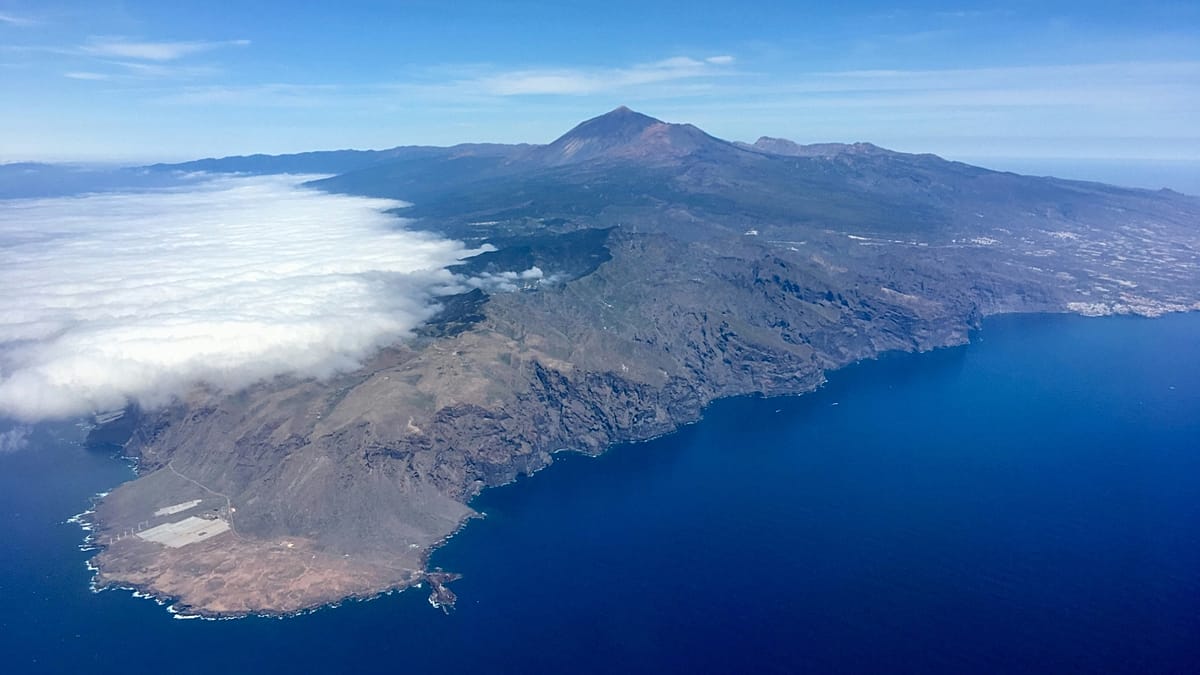
Tenerife, the largest of Spain’s Canary Islands, takes first place with a score of 95 out of 100. The study praises its “beautiful natural scenery, fresh food, and – its highest scoring metric – incredible sunshine.” La Palma, also in the Canaries and a UNESCO Biosphere Reserve, ranks second at 94/100. Madeira, Portugal’s Atlantic archipelago home to the Laurissilva Forest (a UNESCO World Natural Heritage Site), comes third with 93/100.
Croatia’s Dalmatian coast contributes two entries in the top five: the medieval island of Korčula (fourth, 92/100) and Mljet (fifth, 90/100), described as a haven for active travellers. The rest of the top ten includes Majorca (Balearic Islands, 89/100), Lošinj (Kvarner Islands, 88/100), Brač (Dalmatian Islands, 87/100), Gran Canaria (Canary Islands, 86/100), and La Gomera (Canary Islands, 85/100).
Sunshine Leaders: Canary Islands Shine
Unsurprisingly, the Canary Islands dominate the weather category. Tenerife again leads with 88/100, followed by La Gomera (86/100) and Gran Canaria (85/100). The archipelago as a whole is crowned Europe’s top all-rounder, reflecting its growing popularity among travellers.
Food and Drink: Italy and Greece Take the Lead
When it comes to culinary offerings, Italy emerges as the clear winner. Capri tops the food ranking with 75/100, celebrated for dishes like Caprese salad and ravioli Caprese (fresh pasta with caciotta, parmesan, and marjoram in a light tomato sauce). Sardinia follows at 66/100, and Greece’s Santorini rounds out the top three with 65/100.
Green Spaces: Croatia and Portugal Excel
For greenery and nature, Croatia’s Mljet leads with 86/100, followed by Madeira (85/100) and Korčula (83/100). These islands offer extensive forested areas and protected landscapes, appealing to eco-conscious visitors.
The study’s methodology, which weights green space heavily, reflects a broader trend in European travel: extreme weather, conflicts, and responsible tourism are reshaping how Europeans choose destinations. As travellers seek sustainable options, islands with strong environmental credentials are gaining ground.
For those planning a 2026 escape, the rankings provide a data-driven starting point. Whether you prioritise sunshine, cuisine, or nature, Europe’s diverse islands offer something for every taste.