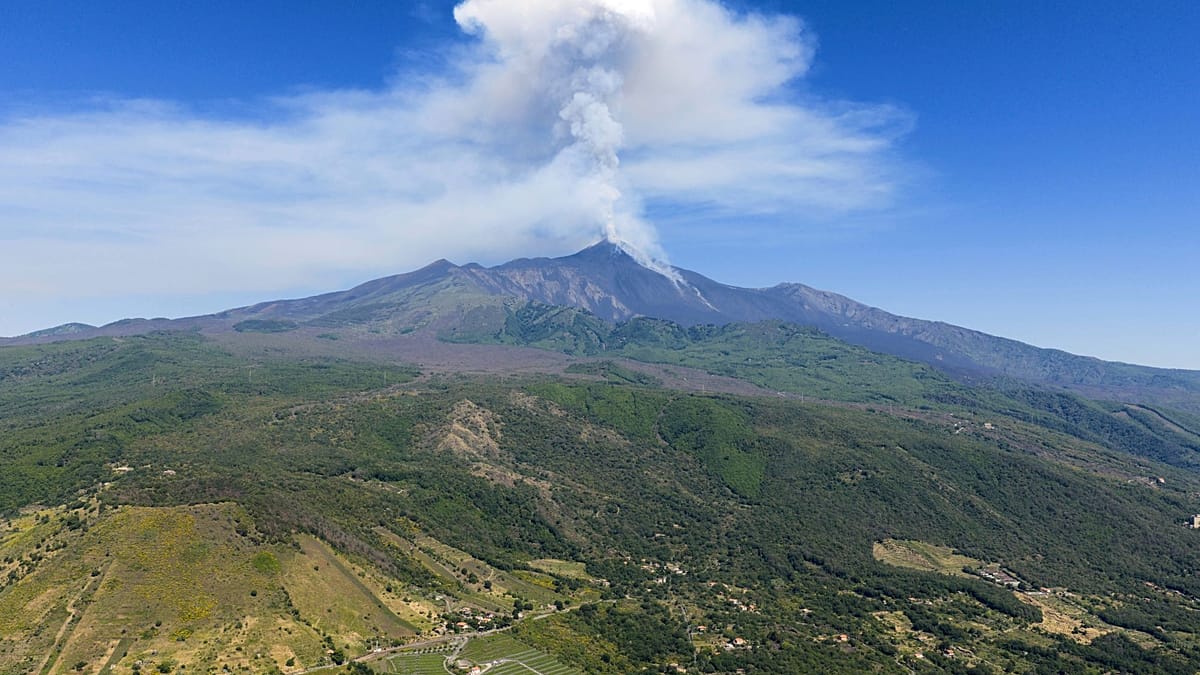
Catania Airport, Sicily's busiest air hub, has halted all flight operations following renewed volcanic activity at Mount Etna. The airport announced that departures and arrivals would be suspended until at least 6 pm CEST on 5 July, urging passengers not to travel to the airport without first checking with their airline.
The disruption stems from strong ash emissions from Europe's most active volcano, which began intensifying in the early hours of the morning. According to the Volcano Observatory Notice for Aviation, the ash cloud has reached an altitude of approximately 4,500 metres, with ongoing emissions posing a hazard to aircraft engines and visibility.
Diversions and Passenger Support
Airlines have been forced to reroute flights to Palermo Airport, located about 200 kilometres west of Catania. The airport reported that 33 additional flights landed in Palermo on 5 July, with a list of two dozen scheduled arrivals published on its Facebook page. Carriers are arranging bus transport to take holidaymakers from Palermo to their original destinations in eastern Sicily.
Passengers are advised to monitor their flight status closely and contact their airline for rebooking options. The disruption comes at the height of the summer travel season, when Catania typically handles a surge of tourists heading to Sicilian beaches and historic sites like Taormina and Syracuse.
For those seeking last-minute alternatives, Skyscanner's seven tips for cheap last-minute flights in Europe may offer useful guidance, though availability in the region remains tight.
Volcanic Activity Escalates
The Italian Department of Civil Protection raised Etna's alert level from green to yellow on 26 June at 7:30 pm, citing an increase in volcanic tremors. Spectacular drone footage captured last week showed rivers of lava flowing down the volcano's slopes, a visual reminder of the mountain's restless nature. Drone captures lava rivers flowing from Mount Etna eruption provides a closer look at the recent activity.
Etna's eruptions are a recurring challenge for Sicilian aviation. Ash clouds can damage jet engines and reduce visibility, forcing airports to close temporarily. The current suspension is expected to last at least until the evening, but further extensions are possible if ash emissions persist.
Travelers across Europe should be aware that such volcanic events can have ripple effects on flight schedules. The EU digital border system causes summer travel chaos at airports, compounding delays during peak season. Meanwhile, innovations like Italy eyes solar railways after Swiss success with track-mounted panels highlight how the continent is adapting to diverse challenges.
As of now, no injuries or property damage have been reported from the eruption. Authorities continue to monitor the situation closely, with updates expected from the airport and civil protection agencies.