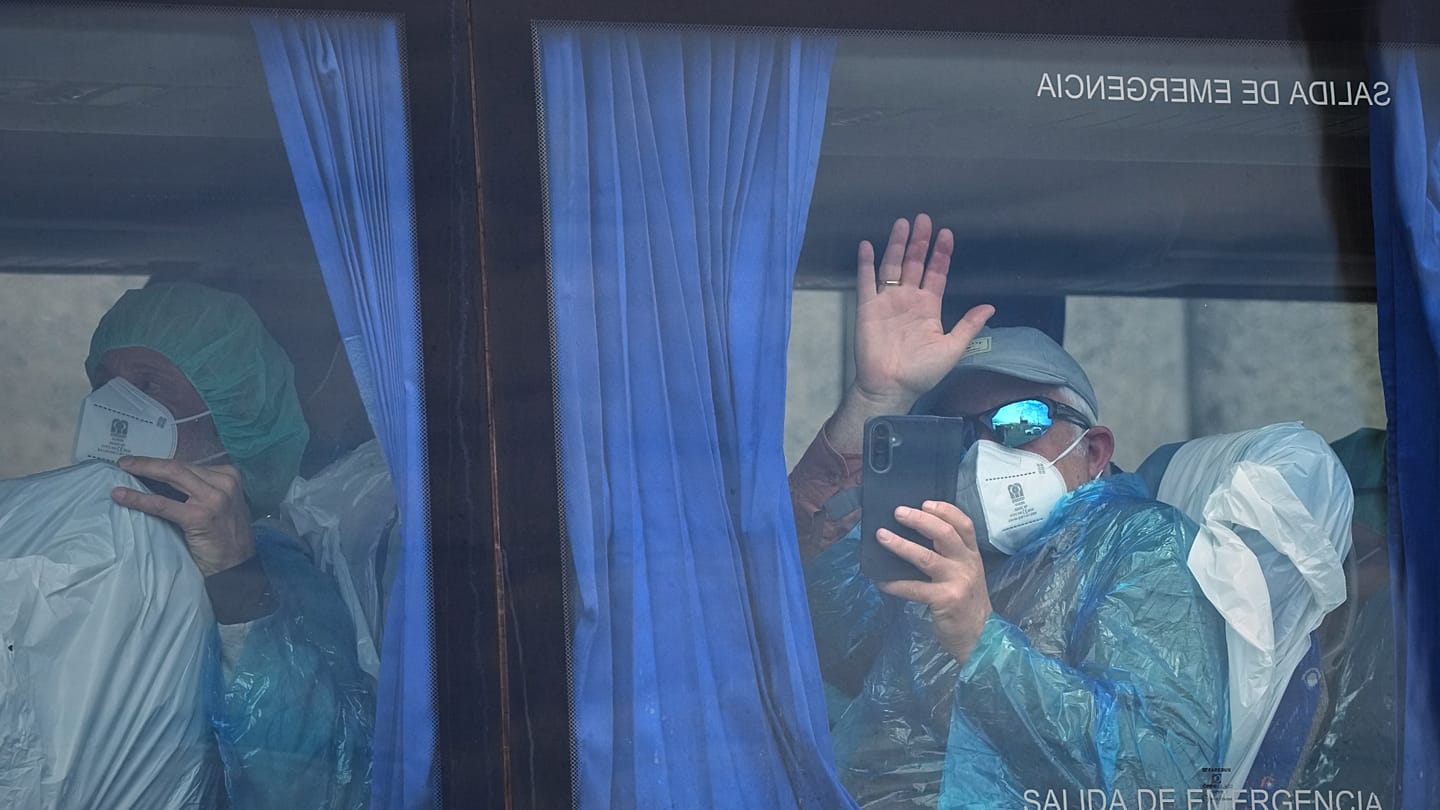
Spain's Ministry of Health has confirmed a second case of hantavirus among patients isolated in Madrid, following an outbreak linked to a cruise ship. Twelve other individuals remain under medical quarantine in the capital, as authorities monitor the situation closely.
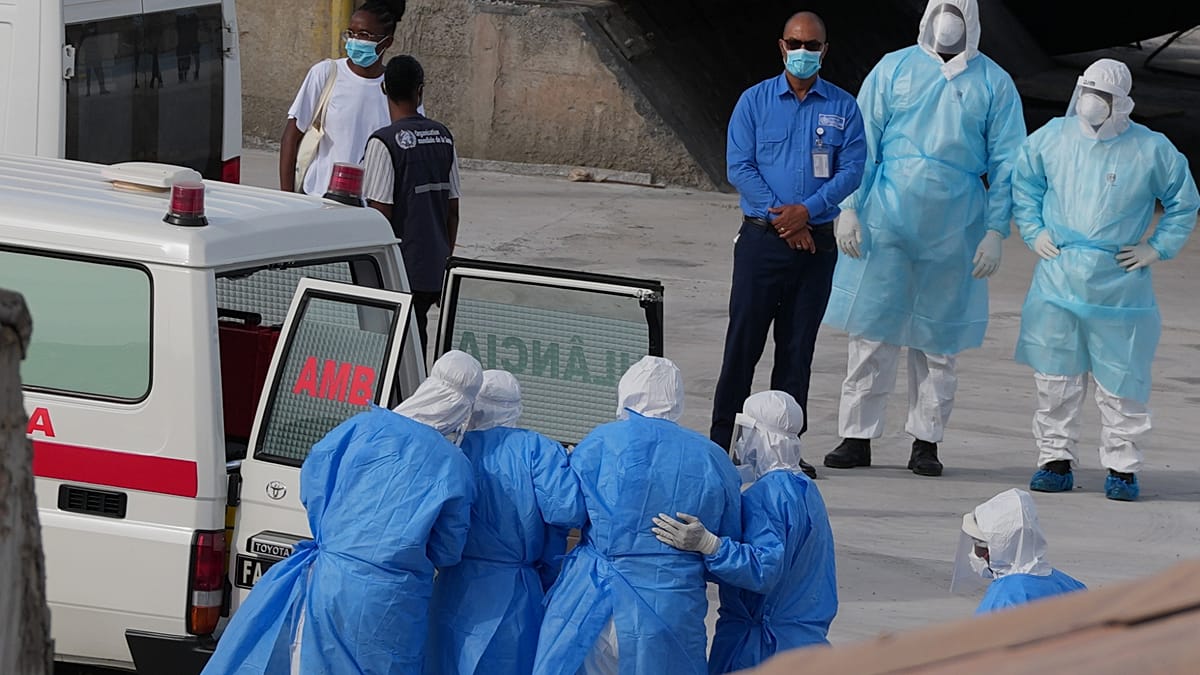
The two confirmed cases are part of a wider cluster that has drawn attention across Europe. The outbreak is associated with the MV Hondius, a vessel that has seen several suspected and confirmed cases among crew and passengers. Earlier this month, three people were evacuated from the ship in Cape Verde over suspected hantavirus infection.
Hantavirus: A Rare but Serious Threat
Hantavirus is a rare viral disease transmitted through contact with rodent droppings, urine, or saliva. In Europe, the most common strain is the Puumala virus, which typically causes a mild form of hemorrhagic fever with renal syndrome. However, more severe strains, such as the Hantaan virus, can lead to hantavirus pulmonary syndrome, which has a higher mortality rate.
The cases in Madrid are being treated in isolation to prevent any potential spread. Health officials have emphasized that human-to-human transmission of hantavirus is extremely rare, but the quarantine measures are precautionary. The patients are reported to be in stable condition.
The outbreak has prompted international coordination. The World Health Organization has confirmed a 12th case from the MV Hondius cluster, involving a crew member repatriated to the Netherlands. That case was confirmed earlier this week, adding to the tally of infections linked to the vessel.
Broader European Context
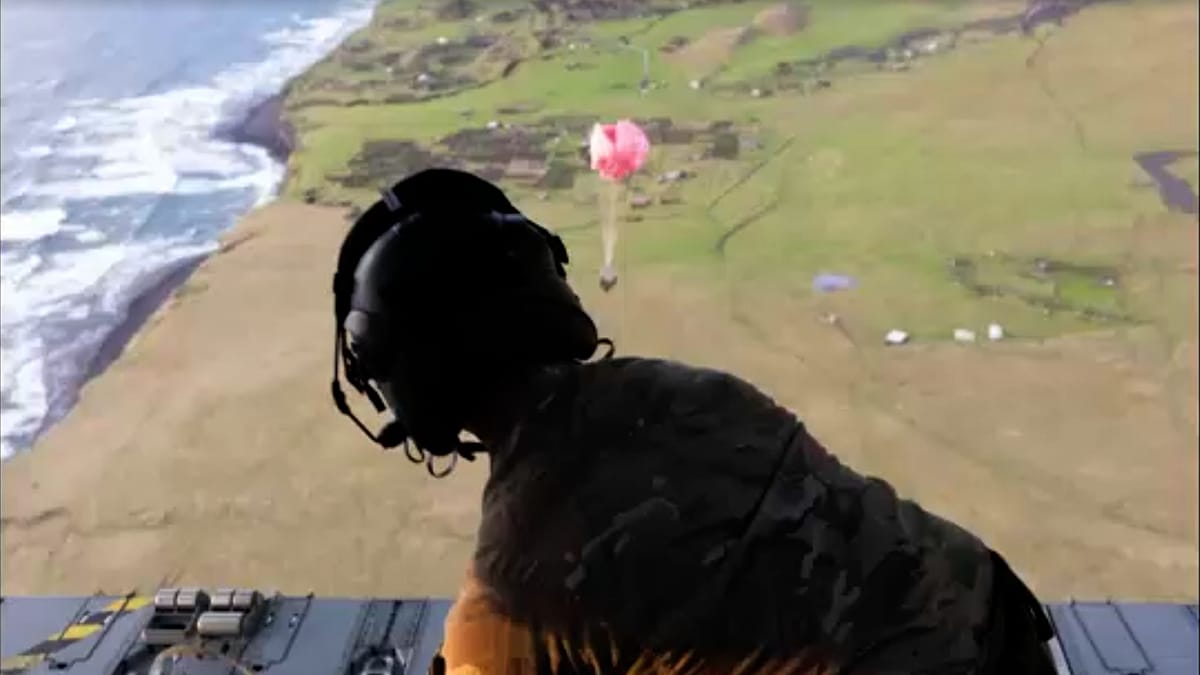
The MV Hondius outbreak is not an isolated incident. In recent weeks, the UK military air-dropped medics to the remote island of Tristan da Cunha over a hantavirus scare, and a Royal Navy ship later replaced paratroopers stationed there. These events underscore the challenges of managing infectious disease outbreaks in isolated communities.
In Spain, the response has been methodical. The Ministry of Health has activated protocols for contact tracing and environmental assessment. The cruise ship, which had docked in Tenerife, was met with calm by local residents, as reported in coverage of the ship's arrival.
Experts point to broader environmental factors that may be increasing hantavirus risks across Europe. Climate change and habitat loss are altering rodent populations and their interactions with humans. A recent analysis highlighted how these changes amplify the potential for outbreaks, making surveillance and preparedness more critical than ever.
For now, Madrid's health authorities remain vigilant. The twelve individuals in quarantine are being monitored for symptoms, and further testing is underway. The Ministry has not indicated any additional cases beyond the two confirmed, but the situation is evolving.
This outbreak serves as a reminder of the interconnectedness of European health systems. From the Canary Islands to the Netherlands, the response to hantavirus requires cross-border cooperation. As the continent faces emerging infectious diseases, the lessons from this cluster will inform future public health strategies.